Aquatic plant planting and care tutorial: a practical guide for aquarium hobbyists
In a planted aquarium, you always need to keep a few aquatic plants to supply oxygen, and besides increasing the oxygen level in the tank and keeping it looking beautiful, what other benefits do they actually have? Let's take a look below!
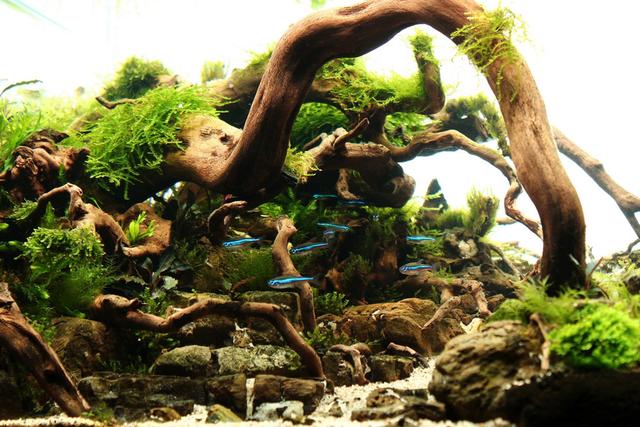
I. Benefits of keeping a planted aquarium
1. Supplying oxygen to fish
This is the greatest function of aquatic plants. Under light, aquatic plants continuously release oxygen into the water, and likewise into the substrate. Frankly speaking, no artificial equipment can perform the same function.
2. Absorbing metabolites
Fish metabolism produces large amounts of organic matter, which is then absorbed by aquatic plants. This matter is mainly compounds of nitrogen and phosphate. If their levels in a planted aquarium are not reduced, they will cause excessive growth of algae.
3. Surface for bacterial activity
Bacteria continuously decompose and recombine certain compounds. Without these bacteria, they could pose a threat to the planted aquarium or the fish. Therefore, they need plenty of space for activity, whether on the substrate, inside the filter, or even on the aquatic plants. This is another important function of aquatic plants.
4. Water quality and environment
A tank of thriving aquatic plants not only achieves a decorative landscaping effect for the aquarium, but more importantly, it can break down toxic substances and pollutants in the water, improving and regulating the water quality in the planted aquarium.
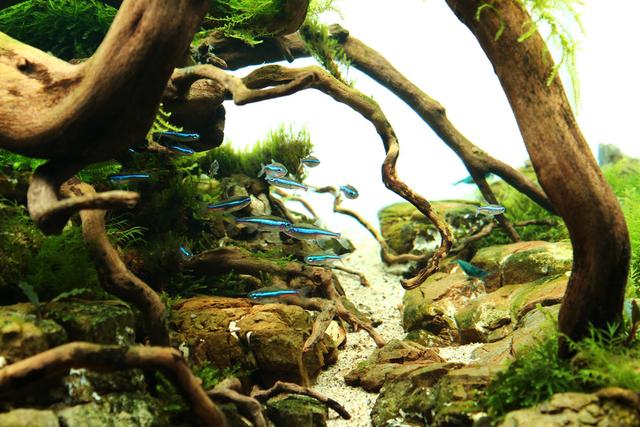
II. Methods for planting aquatic plants
1. Choosing aquatic plants
Generally speaking, the leaves of most aquatic plants are fairly soft, such as Eichhornia, large bamboo leaf plants, water lilies and the like. Because their leaf tissue is tender and easily damaged, they must be handled carefully when packaging and carrying. The best approach is to put them in a plastic bag together with the tropical fish when purchasing, so that the plants will not be harmed by temperatures that are too high or too low.
2. Before planting aquatic plants
Before planting aquatic plants, the aquarium should first be filled with coarse sand (or construction gravel) spread to a thickness of 7-101 cm, and then the aquatic plants can be planted into the aquarium.
3. Planting tips
When planting aquatic plants, plant them in order according to the size of the species or by long, medium and short lengths, planting the long ones first and the short ones afterward, so that the planting will not look messy. If it is a stem plant, trim the portion below the roots, then remove the leaves near the roots to prevent them from rotting flat on the substrate.
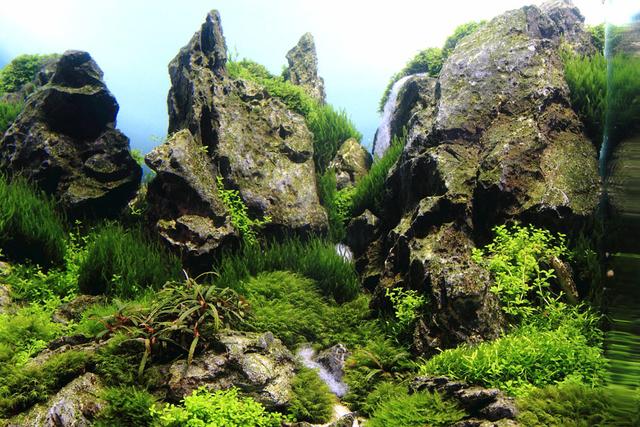
III. Management of aquatic plant cultivation
1. Sufficient light
After the aquatic plants are planted in the tank, management should be strengthened. First, sufficient light must be provided. Lighting should be no less than 6 hours per day. Using fluorescent lamps to light the aquatic plants is better, as all kinds of aquatic plants can grow well and the leaves will not be scorched by overly strong summer sunlight.
2. Temperature control
Temperature must be controlled. Keeping the water temperature at around 25°C is most favorable for their growth. In winter, when the water temperature is low, heating measures should be taken.
3. Density of aquatic plants
Pay attention to the density of the aquatic plants. The number of aquatic plants to plant should be determined by the size of the tank. Too many will easily crowd out the space for the fish to move around, which is not good for the fish's growth, and they should be thinned out promptly.
[Disclaimer: This article was collected from the internet and compiled for publication. Copyright belongs to the original author. If your rights are infringed, please leave a message to contact us for removal.]