Detailed Guide to Honeysuckle Planting Methods and Precautions
When it comes to honeysuckle, many people are certainly familiar with it. Its benefits and medicinal value are something everyone knows as well. Apart from those who grow this medicinal herb professionally to sell, actually, we can grow it in pots at home or plant one in front of or behind the house, so it both beautifies the home courtyard and shows its practical value.
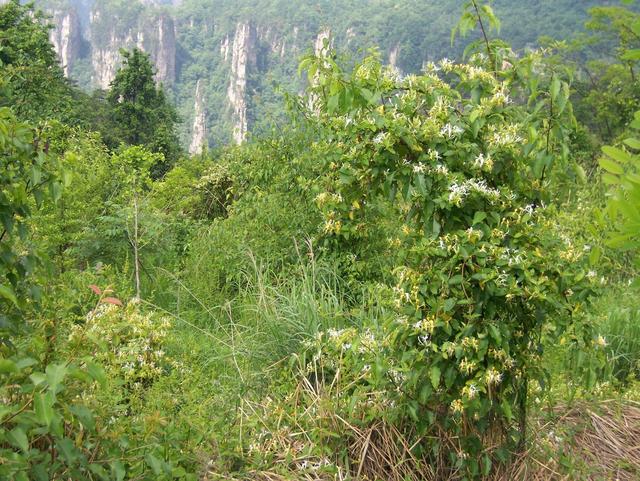
There are two ways to grow honeysuckle: one is propagation by cuttings, and the other is growing from seed. Either way is fairly convenient, but cuttings grow faster, provided you have a cutting to start with. As for varieties, you can choose either the tree form or the vine form.
HoneysuckleMarchIt blooms in March and is highly adaptable, liking sunlight and tolerating shade, with strong cold resistance and tolerance of both drought and waterlogging. Although it does not demand much from the soil, if you use the cutting method, it is best to choose loose, deep and fertile soil, which helps the roots grow faster. Before the roots have grown more rootlets and the growing period has not yet stabilized, be careful to keep it out of direct sunlight and keep the soil slightly moist. If it is too dry, it may dry out into bare branches; if too wet, it may rot from waterlogging, so the moisture must be well controlled. Personally, I suggest planting in autumn has more advantages, because in autumn the sunlight intensity weakens, avoiding scorching sun; spring has too much rain, risking waterlogging; and summer sunlight is too harsh.
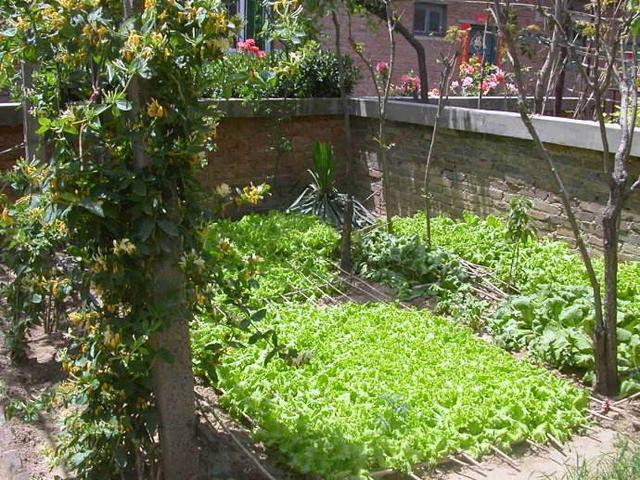
If you use the seed-growing method, it is fairly simple: loosen the soil, sow the seeds, keep it slightly moist every day, and just wait quietly for germination.
When it grows into a climbing vine, those skilled enough can reshape it into a potted form; if you cannot be bothered, just set up a trellis for it to climb on.
In the rainy, continuously wet season, it is prone to brown spot disease. When the disease is severe, it can cause leaves to drop. Another problem is the harm from aphids; the worst drawback of this plant is that it is naturally prone to attracting insects. Aphids cause leaves and flower buds to curl, directly damaging the branches and vines. At this point you need targeted agricultural pesticides to help manage and prevent it; for specific pesticide recommendations, consult your local pesticide shop.
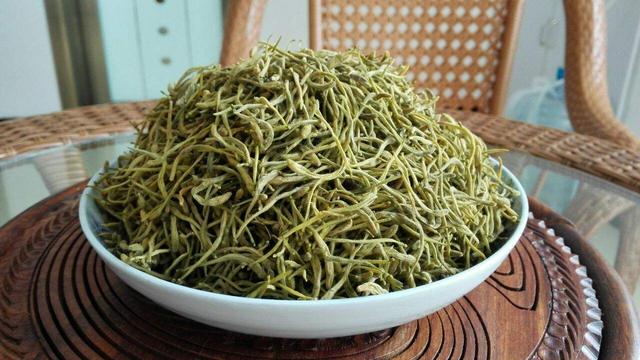
The picked flowers, once dried in the sun and stored well, are still very widely used in the home. Honeysucklehas been a good medicine for clearing heat and detoxifying since ancient times, especially suitable for dispelling wind-heat, wind-heat external contraction, various heat syndromes, sore throat, measles, urticaria, acne and other heat-related diseases, and has anti-inflammatory, pain-relieving and antiviral effects.In the hot summer or dry autumn, brew and drink it anytime, suitable for the whole family, young and old. (Image from the internet, removed if infringing, thanks)
Focusing on agriculture, rural areas and farmers, and paying attention to the many aspects of rural life.