Precautions for Using Foliar Fertilizers and Pesticides: Neglecting the Details Can Lead to Heavy Losses
Wheat has now entered the overwintering period, and the only farm work left is the vegetables in protected cultivation. When it comes to vegetables in protected cultivation, everyone knows that fungicides and insecticides are frequently used, and foliar fertilizers are even more indispensable in vegetable management. In practice, to save time and labor, pesticides and foliar fertilizers are often mixed together for use. What should be noted when mixing them?
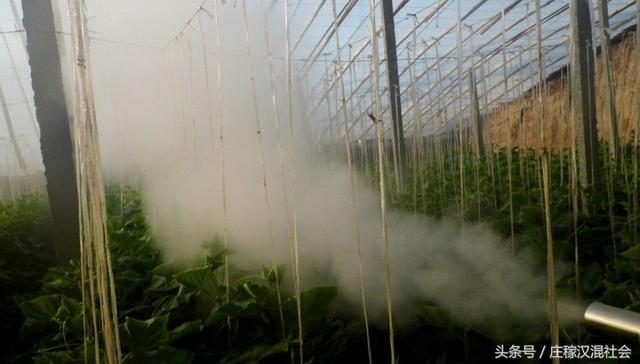
First, pay attention to the order when mixing. That is, first dilute the foliar fertilizer well, then add the other agent, rather than first mixing the foliar fertilizer with the pesticide and then adding water to dilute it. The general dilution order is foliar fertilizer, powder, suspension concentrate, aqueous solution, emulsifiable concentrate, etc. Add each one in order and stir thoroughly before adding the next.
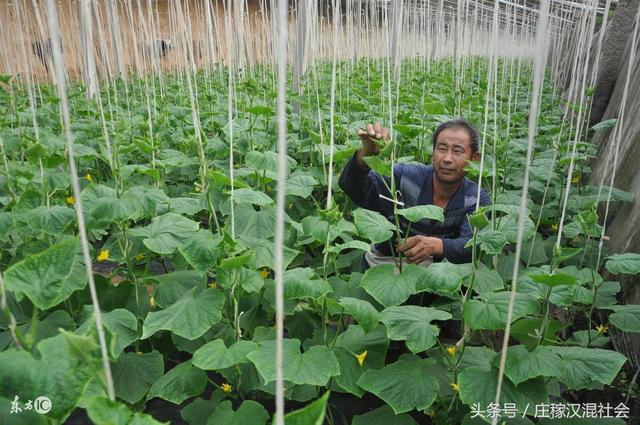
Second, avoid combining it with agents that should not be mixed. For example, chemical fertilizers cannot be mixed with microbial pesticides, alkaline fertilizers cannot be mixed with insecticides, and alkaline pesticides cannot be mixed with ammonium nitrogen fertilizers. If two ingredients that should not be mixed are used together, at best the efficacy of the pesticide and fertilizer will be reduced, and at worst it may cause phytotoxicity and other adverse consequences.
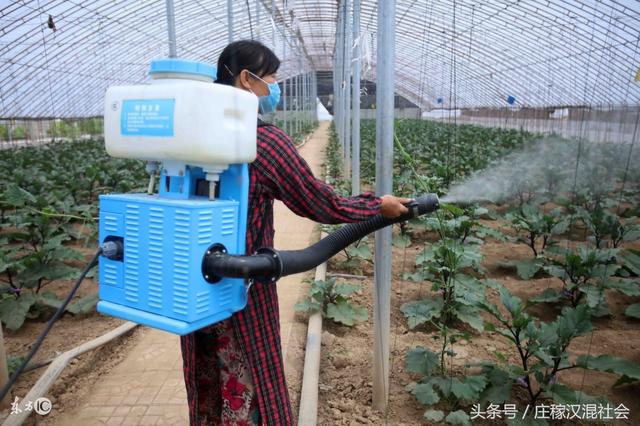
Third, pay attention to mixing and using it on the spot. Although the fertilizer and agent mixed together may not have an adverse reaction at first, leaving them for a long time may lead to adverse reactions, reducing the effect or causing phytotoxicity. In addition, leaving them for a long time tends to produce sediment, which affects the effectiveness of the pesticide.