How should strawberries be washed to effectively remove pesticide residues from the surface?
Strawberries are a fruit that everyone loves very much, and right now is the peak season when strawberries flood the market. Are you already eager to taste those sweet and delicious strawberries? But do you know how to wash strawberries, and are the strawberries you wash really clean? Here, the editor will tell you about the things to keep in mind when washing strawberries.
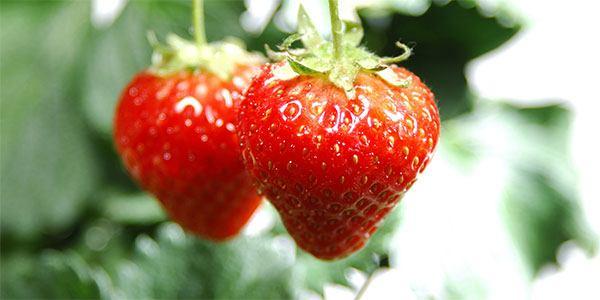
First, why should you pay attention to washing strawberries before eating them?
Many people find strawberries rather difficult to wash, mainly because their surface is rough and their skin is very thin, tearing as soon as you wash them. So, to save trouble, many people just give them a quick rinse under water and eat them. In fact, strawberries are herbaceous plants with fairly short plants that have a lot of contact with the ground, and their fruit is tender and juicy, all of which makes them vulnerable to pests, diseases and microorganisms. Therefore, pesticides are often used when growing strawberries. These pesticides, fertilizers and germs can easily remain on the rough surface of strawberries. If they are not washed clean, they can very likely cause diarrhea, or even pesticide poisoning.
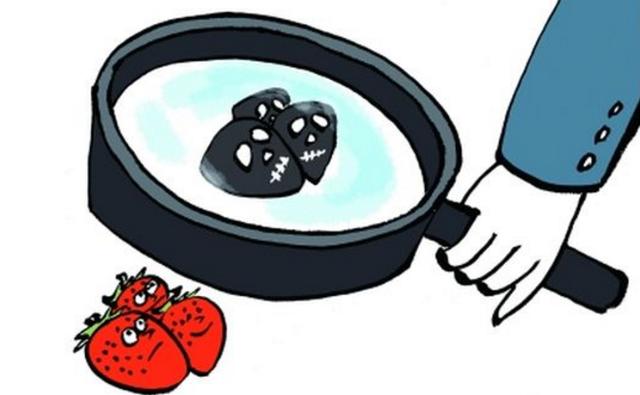
So how should they be washed to effectively remove these residues?
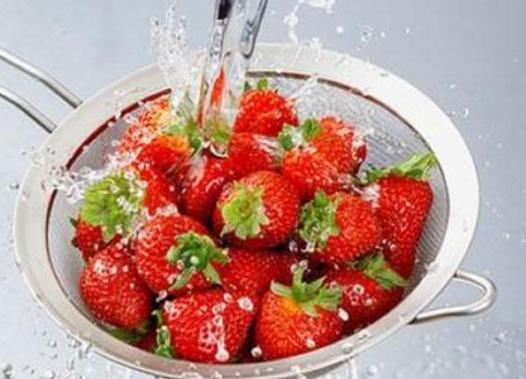
To wash strawberries clean, it is best to rinse them continuously under running tap water; flowing water can prevent pesticides from seeping into the fruit. Also, do not eat the washed strawberries right away; it is best to soak them for another 5 minutes in lightly salted water or rice-washing water. Lightly salted water can kill harmful microorganisms remaining on the surface of strawberries, while rice-washing water is alkaline and can promote the breakdown of acidic pesticides.
In addition, when washing strawberries, be careful never to remove the calyx. If strawberries with the calyx removed are soaked in water, residual pesticides will enter the inside of the fruit with the water, causing even more serious contamination. Also, do not soak strawberries in cleaning agents such as dishwashing liquid; these substances are hard to rinse away completely and easily remain in the fruit, causing secondary contamination.
There is also this: never remove the leaves of the strawberries and then soak them in water, because once the leaves and calyx are removed and the strawberries are soaked in water, pesticides may travel with the water into the heart of the strawberry, actually making it more contaminated.
Putting the above precautions together, we can sum up the correct washing method as follows: do not remove the leaves or calyx of the strawberries; put them in water and soak for fifteen minutes, which allows most of the pesticides to dissolve in the water. Then remove the leaves from the strawberries, put them in salt water and soak for five minutes, then rinse with clean water. You should try to avoid rubbing them with your hands, and do not use cleaning agents.

Strawberries washed this way can be eaten with peace of mind. Did this help you? Follow the editor @Jian'ai Life Studio, and more wonderful content will be waiting for you later.