How do you wash off pesticide residues on fruits and vegetables? A few simple tricks for healthier eating
Nowadays, 99% of agricultural products have been treated with pesticides to varying degrees during production. Because of short growing periods and frequent pest outbreaks, most fruits and vegetables are sprayed with excessive amounts, and much of the pesticide remains on the surface of the vegetables and fruits, causing pesticide residues to exceed the standard.
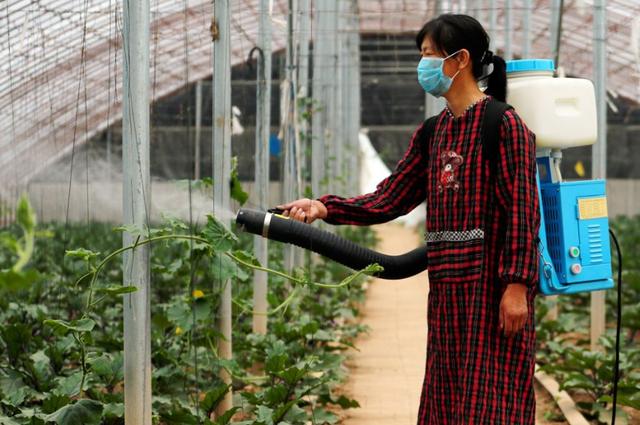
Spraying pesticide
How to remove pesticide residues from the surface of vegetables and fruits
1. Radishes, carrots, and root vegetables: although the outer skin has good nutritional value, the pesticides in the soil tend to leave relatively high residues, so it is recommended to peel them before eating.
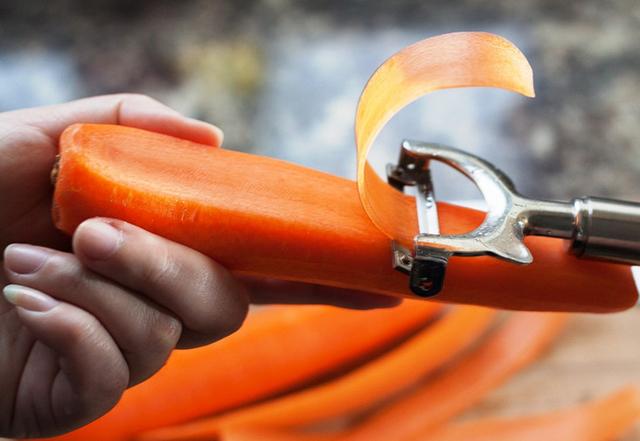
Carrot
2. Wash leafy vegetables such as spinach, baby bok choy, lettuce, celery, and cilantro with clean water or salt water. Soak them in clean water for about 10 minutes, then add a spoonful of salt, and rinse once more to remove the remaining pesticide.
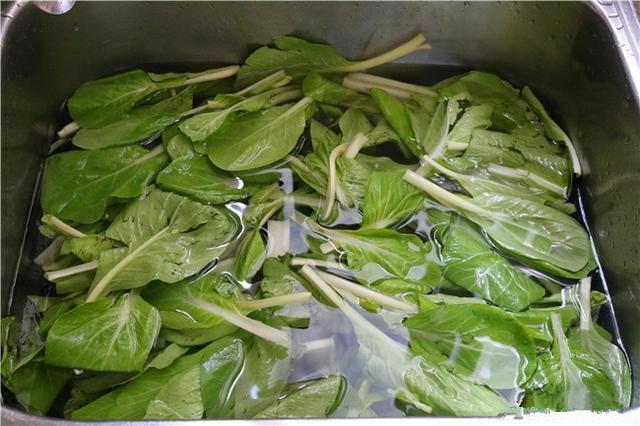
Bok choy
3. Cabbage, Chinese cabbage, and cauliflower must be cut open before eating, soaked in clean water for 1-2 hours, and then rinsed with clean water to remove most of the remaining pesticide.
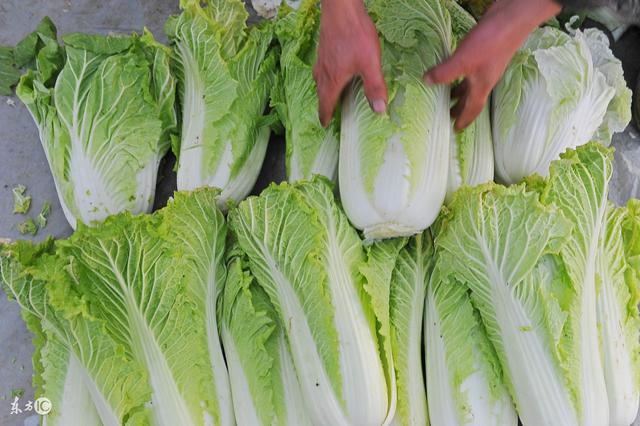
Chinese cabbage
4. Soak in alkaline water. Most organophosphorus insecticides are acidic and decompose quickly in an alkaline environment. First put a small spoonful of alkaline powder into water, stir well, then add the vegetables, soak for five to six minutes, and rinse clean with clean water.
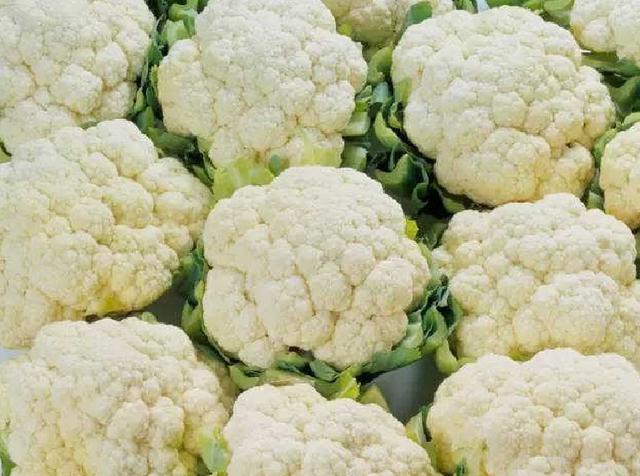
Cauliflower
If you do not have alkaline powder, you can use baking soda instead, but you need to extend the soaking time, about fifteen minutes or so.
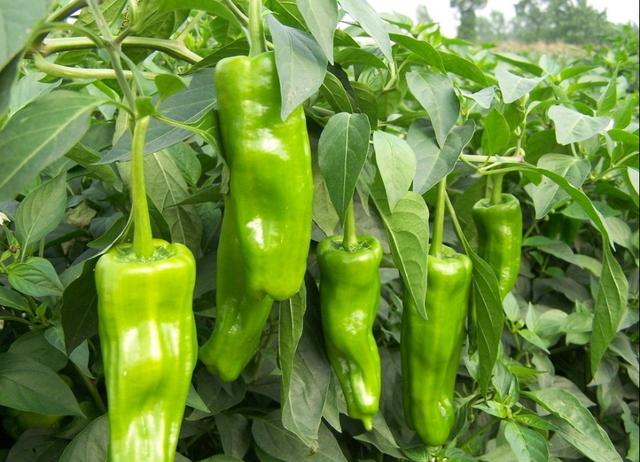
Green pepper
5. Blanch with boiling water. For green peppers, cauliflower, green beans, celery, and the like, first wash them with clean water, then before stir-frying blanch them in boiling water for two to three minutes and take them out, then rinse them with clean water once or twice, and you can remove more than 90% of pesticide residues.
Celery
For some vegetables that store well, storage can reduce pesticide residue levels. For example, tomatoes, potatoes, and cauliflower can be stored for one week, while winter melon, pumpkin, and other vegetables that do not rot easily should generally be stored for more than 10 days, without affecting their nutritional value.
Winter melon
Click“to learn more”for free agricultural technology Q&A