Complete Guide to Celery Cultivation Techniques: The Latest and Most Comprehensive Growing Methods
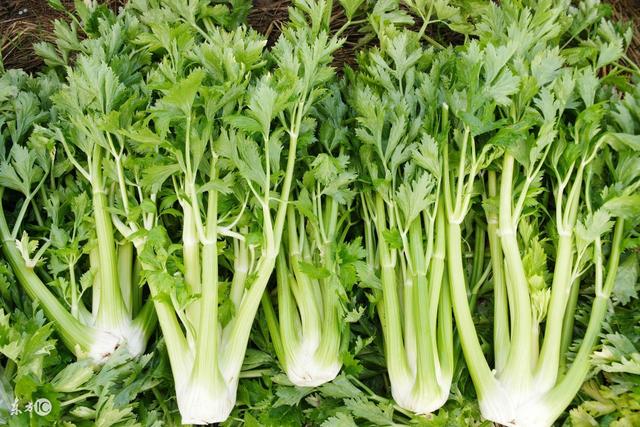
Celery belongs to the Apiaceae family. There are three types: water celery, dry celery (stem celery), and western celery (stalk celery). Their functions are similar, but dry celery is preferred for medicinal use. Dry celery has a stronger aroma and is called "medicinal celery." However, it is not the same species as cilantro. Celery is rich in protein, carbohydrates, carotene, B vitamins, calcium, phosphorus, iron, sodium, and more. It also has the effects of calming the liver and clearing heat, dispelling wind and dampness, relieving restlessness and reducing swelling, cooling the blood and stopping bleeding, detoxifying and opening the lungs, strengthening the stomach and blood, cleansing the intestines and relieving constipation, moistening the lungs and stopping cough, lowering blood pressure, and calming the mind. Regularly eating celery, especially celery leaves, is very beneficial for preventing high blood pressure and arteriosclerosis, and has adjunct therapeutic effects.
Tools/Materials
A plot of land, farm tools
Celery seeds, fertilizer, pesticides
Method/Steps
I. Variety Selection
1. Native celery varieties include: Jinnan Solid Celery No. 1, Machang Celery, Solid-stem Celery, etc.
2. Western celery varieties include: California King, Tall Utah 52-70, Italian Winter Celery, Zhongqin No. 1, Zhongqin No. 2, Xiqin No. 1, etc.
Because celery seeds are very small, with a thousand-grain weight of only 0.4-0.5 grams, old seeds have a very low germination rate, and some hardly germinate at all. Therefore, when selecting varieties, also consider whether the seeds are fresh seeds from 1-2 years.
II. Raising Strong Seedlings
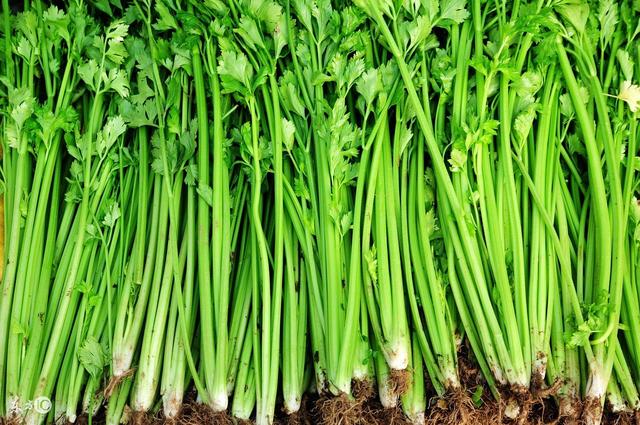
The seedling-raising method for overwintering celery cultivation is the same as for other vegetables grown in greenhouses in autumn and winter, and still needs to be done on a shaded seedbed. Choose a fertile plot with higher terrain, able to be irrigated in drought and drained in waterlogging, and with loose soil, as the seedbed. After selecting the seedbed, mark out a bed surface 1.2 meters wide and 6-8 meters long, evenly shovel up 10 cm of seedbed soil, crush and sieve it, add fully decomposed, sieved high-quality barnyard manure at a ratio of 3:1, mix evenly, spread it flat onto the seedbed, and reserve 1/5 of the mixed soil for later use. Surround the seedbed with a small ridge 25 cm high, then water thoroughly. After the water seeps down, use the reserved soil to level the seedbed, avoiding pits or depressions on the seedbed. Sow the seeds directly by broadcasting. Because celery seeds are very small, it is difficult to sow them evenly by direct sowing. Before sowing, mix the seeds with 3-5 times their volume of sieved fine sand. The sowing rate per mu of cultivation field is about 300 grams. The sowing rate per square meter of seedbed is 4-5 grams. After sowing, cover with 0.6-1 cm of sieved fine sandy soil.
Because celery prefers cool conditions, is cold-tolerant and heat-sensitive, and the seedling stage coincides with high temperatures, seeds lose germination ability above 30°C. To ensure uniform emergence and provide seedlings with a suitable growing environment, the shaded seedling method should be used. Erect a small arch tunnel 1.5 meters wide and 1 meter high over the seedbed, cover the frame directly with shade netting, and seal it tightly all around. Because celery seeds are tiny and have very weak soil-piercing ability, if the seedbed becomes slightly dry and crusted, the seedlings cannot emerge. If hot rain occurs before emergence, timely spray irrigation with cool well water should be used to lower the temperature, and at the same time a wire rake should be used to lightly scratch the seedbed to break up crusting and reduce moisture evaporation from the seedbed, so as to prevent seedlings from suffocating due to lack of oxygen and prevent high temperature from inhibiting germination and emergence.
Four to five days after sowing, a layer of tiny seedlings first emerges; these are weeds and must be removed by hand before the celery seedlings emerge. After about 10 days, the two cotyledons of celery break through the soil. At this time, watering should be strengthened to keep the seedbed moist. After all seedlings have emerged, the shade netting should be removed in the morning, evening, and on cloudy and rainy days, and shade should be provided from 10:30 a.m. to 4:30 p.m. on sunny days, so as to give the seedlings as suitable a growing temperature as possible. When the seedlings grow to two true leaves, combine manual weeding with thinning out clustered seedlings, with a seedling spacing of 1 cm. At 3-4 leaves, thin again to maintain a spacing of about 2 cm, avoiding weak or ineffective seedlings due to insufficient nutrients. Water promptly after thinning, but water lightly and frequently, keeping the seedbed alternately dry and wet. Because at this time the seedlings have not yet formed well-developed vascular tissue, they are both drought-sensitive and waterlogging-sensitive; standing water on the ground can cause seedlings to die from lack of oxygen.
III. Transplanting
1. Land preparation and fertilization: Celery is suitable for cultivation in clay soil rich in organic matter and with strong water and fertilizer retention capacity, and requires relatively high nutrient conditions. Therefore, one week before transplanting, apply 6000 kg of decomposed barnyard manure, 50 kg of superphosphate, 25 kg of ammonium bicarbonate, and 4 kg of zinc sulfate per mu, evenly spread on the surface, then plow once to a depth of 20 cm. In conjunction with land preparation, make beds 1.5 meters wide and water deeply.
2. Preparation before transplanting: In early September, before the first frost arrives, transplant when the seedlings have grown to 5-6 leaves. Two days before transplanting, install the greenhouse film in a canopy shape and water the seedbed thoroughly. When lifting seedlings, damage the root system as little as possible, with a lifting depth of 10 cm. After lifting, grade the seedlings according to size. When transplanting, plant large seedlings first and small seedlings later, avoiding mixed planting of large and small seedlings, which can cause large seedlings to suppress small ones and result in poor growth.
3. Transplanting: Use the flat-bed furrow planting method for transplanting. When transplanting, open 7 small furrows on each bed surface, with a depth of 10 cm, furrow width of 5 cm, and furrow spacing of 18-20 cm. Place the seedlings upright into the furrows. Plant spacing: 8 cm for native celery, about 45,000 plants per mu; 20 cm for western celery, about 16,000 plants per mu. Different varieties require different plant and row spacings. The soil burial depth should be the same as the seedlings' original planting depth, with the heart leaves exposed, neither too deep nor too shallow. Immediately water after planting each bed to prevent slow recovery due to excessive water loss.
IV. Field Management After Transplanting
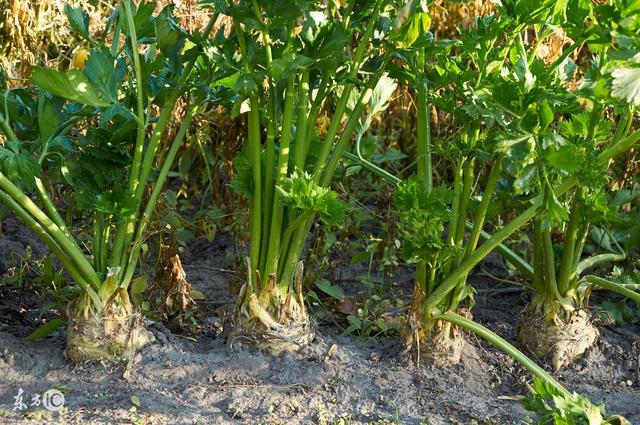
1. Temperature and humidity management: The optimal growing temperature for celery plants is 15-20°C. Before October, control the temperature through watering and adjusting the amount of ventilation. During this stage, the maximum temperature should not exceed 22°C. After entering November, ensure the temperature by strengthening insulation coverage and reducing ventilation. During this stage, the minimum temperature should not be lower than 10°C. If 5-10°C continues for 10 days, it is very easy to pass through the vernalization stage and form bolting. Celery requires relatively high soil moisture throughout the adult plant stage, and the soil surface should be kept moist at all times.
2. Light regulation: Celery is a vegetable crop tolerant of weak light. Day length has little effect on its vegetative growth, but a very large effect on its reproductive growth. Especially in overwintering cultivation, if light regulation is poor, bolting will occur prematurely, seriously affecting yield and quality. Through light regulation, bolting can be avoided or delayed, achieving the goal of continuous harvesting and high yield. The specific method is to uncover the straw curtains late and cover them early, controlling daily light duration to within 6-9 hours, keeping celery under short-day conditions throughout.
3. Water and fertilizer management: After transplanting, water according to seedling condition. Before heart leaves emerge, keep the soil surface alternately dry and wet; when lacking water, water lightly to promote recovery. After heart leaves emerge, control watering. During this period, a wire rake can be used to lightly scratch the soil surface instead of cultivating, breaking soil capillaries, reducing water evaporation, and promoting root growth. When heart leaves begin to grow upright, strengthen water supply, keep the soil surface moist frequently, and apply 1 application of urea with irrigation, at 15 kg per mu. After entering the heart-leaf enlargement stage, strengthen potassium fertilizer supply, applying 10 kg of biological potassium fertilizer per mu, mixed with 30 kg of ammonium sulfate. After that, apply fertilizer once after each picking harvest to ensure rapid re-enlargement of heart leaves. Where conditions permit, biogas residue liquid fertilizer can replace chemical fertilizers, applied as a drench at 1000 kg per mu each time; after application, ventilate to release toxins.
Watering and topdressing celery require particular attention. Watering is generally done 1-2 days before harvest, mainly with light watering, so that after the plants fully absorb water, the picked leaf stalks can maintain a fresh and tender state for market. After harvest, do not water immediately; instead, wait 1 week until the wounds have basically healed before watering, which helps control disease. Topdressing is mainly by broadcasting. It should be done when there is no dew on the leaves. After broadcasting chemical fertilizer, first use a soft broom to sweep away fertilizer granules that have fallen on the leaves; otherwise, water droplets on the leaves will adsorb the fertilizer and burn the leaves, reducing marketability. After topdressing, watering must cover the heart leaves to dissolve fertilizer granules trapped in the heart leaves; otherwise, it will burn the heart leaves and affect yield.
4. Several factors needing attention in celery cultivation. Celery is a vegetable whose commodity is the leaf stalk, so all cultivation measures should revolve around leaf stalk growth. First, insufficient water, nitrogen deficiency, and low-temperature freezing easily cause hollow leaf stalks. Second, excessively high temperature, dry soil, and boron deficiency can cause "splitting" of leaf stalks, and calcium deficiency in western celery easily causes heart rot. Third, when celery plant height reaches more than 20 cm, half a month before harvest, spray once with gibberellin. The application concentration is 10 mg per liter of water; combining with 0.1% potassium dihydrogen phosphate gives better results. Choose to spray before 9 a.m. on sunny days; do not use on cloudy or rainy days. After spraying, water and fertilize more. Using gibberellin can not only increase yield but also improve quality and increase disease resistance.
5. Harvesting: The harvest of greenhouse overwintering celery includes two methods: one is picking harvest. Both native celery and western celery can use this harvest method. Each time, harvest 2-3 large marketable leaf stalks per plant. The other is cutting harvest. This method is mainly used for western celery. When the market selling price is relatively high, seize the opportunity to cut and bring to market all at once. Regardless of the method, during transportation and sales after celery harvest, try to keep the product under low-temperature and high-humidity conditions, but it must not freeze, reducing respiration and transpiration, decreasing nutrient and water consumption, and maintaining freshness and tenderness.
V. Open-field Celery Cultivation Techniques
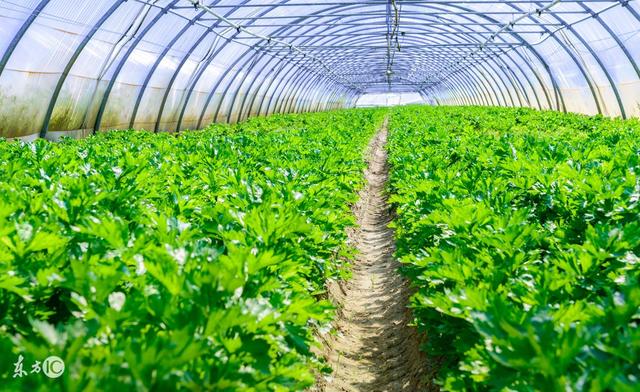
Open-field celery cultivation can be divided into spring celery and autumn celery. Spring celery is raised as seedlings in mid-to-late February, transplanted in early May, and harvested in early-to-mid June. It can also be directly sown in open fields in mid-to-late March and harvested in mid-to-late July. Autumn celery can be sown and raised as seedlings from late May to early June, transplanted after wheat stubble in early-to-mid July, and harvested from late September to early October.
VI. Pest and Disease Control
The main pest in overwintering celery cultivation is aphids; the specific control methods are as described above. Diseases have a relatively large impact on celery yield and quality. The main diseases are celery leaf spot and celery late blight.
[Symptoms] Celery leaf spot, also called early blight, mainly damages leaves. Initially it appears as yellow-green water-soaked spots, later developing into round or irregular shapes, 4-10 mm in size. The lesions are grayish-brown, with slightly darker edges that are not clearly defined. In severe cases, the lesions expand and merge into patches, eventually causing the leaves to die. On stems or leaf stalks, the lesions are elliptical, 3-7 mm, grayish-brown, and slightly sunken. In severe cases, the whole plant lodges. Under high humidity, grayish-white mold layers grow on all the above diseased parts.
[Control Methods]
(1) Choose disease-tolerant varieties. Such as Jinnan Solid Celery No. 1.
(2) When necessary, soak seeds in 48°C warm water for 30 minutes.
(3) Plant at a reasonable density, irrigate scientifically, and prevent excessively high field humidity.
(4) At the early stage of disease, spray with 50% thiophanate-methyl wettable powder at 500 times dilution, or 77% copper hydroxide wettable powder at 500 times dilution; 5% chlorothalonil dust can also be used, at 1 kg per mu each time; or apply 45% chlorothalonil smoke agent, at 200 grams per mu each time, once about every 9 days, applied continuously or alternately 2-3 times.
Celery late blight. This disease has become an important disease of celery in protected cultivation in winter and spring, and has a great impact on celery yield and quality. [Symptoms] Celery late blight is also called leaf blight. Leaves, leaf stalks, and stems can all be infected. One type is that old leaves become diseased first. Lesions on leaves are mostly scattered, varying in size, 3-10 cm in diameter. They are initially light brown oil-soaked small spots, then gradually expand, with brown necrosis in the center. The outer edge is mostly dark red, and the boundary between diseased and healthy tissue is obvious, with a few small black dots scattered in the middle. The other type is initially difficult to distinguish from the former, but later the center becomes yellowish-white or grayish-white. Many small black particles cluster at the edges, and the lesions are often surrounded by a yellow halo. Lesion diameters vary. When leaf stalks or stems are infected, the lesions are brown, oblong, and slightly sunken, with small black dots scattered in the center.
Control: (1) Disinfect seeds.
(2) Strengthen field management, never use flood irrigation, and pay attention to lowering temperature and draining moisture.
(3) Before celery rows close, fumigate with 45% chlorothalonil smoke agent at 200-250 grams per mu each time; or spray 5% chlorothalonil dust at 1 kg per mu each time.
(4) At the early stage of disease, spray 75% chlorothalonil wettable powder at 600 times dilution; or 64% oxadixyl-mancozeb wettable powder at 500 times dilution; or 40% carbendazim-sulfur suspension concentrate at 500 times dilution, once every 7-10 days, for 2-3 consecutive applications.