Analysis of 5 categories of planted crops in 2018
Category 1: Sugar crops
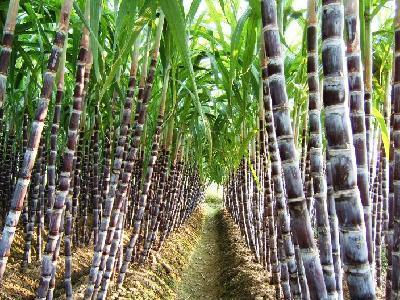
The focus is on stabilizing advantageous production areas such as Guangxi and Yunnan, and appropriately reducing sugarcane production areas that do not have comparative advantages. By 2020, the sugar crop area will be stabilized at around 24 million mu, of which the sugarcane area will be stabilized at around 21 million mu. Efforts will be made to increase yield per unit area, raise sugar content, increase output, and increase benefits.
Category 2: Feed crops
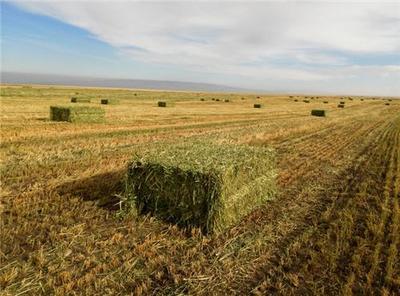
Combine planting with livestock raising and pursue diversified development. In northern regions, focus on developing high-quality alfalfa, silage corn, forage oats, and other forage grasses; in southern regions, focus on developing ryegrass, clover, napier grass, forage rapeseed, forage ramie, forage mulberry leaves, and so on.
Category 3: Oil crops

With the two oils as the main focus, prioritize the development of rapeseed and peanut production. Develop minor oil crops such as drought-tolerant, salt-alkali-tolerant, and barren-tolerant oil sunflower, sesame, and flax according to local conditions, actively develop high-oil corn, fully utilize raw materials such as cottonseed and rice bran, and develop edible vegetable oil. Rapeseed is the key oil crop for development. Many areas such as Jiangxi, Ningxiang, and Pingjiang have introduced subsidies for rapeseed planting.
Category 4: Wheat
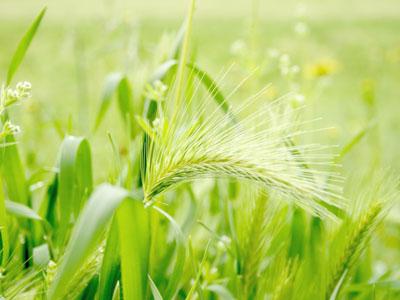
In the cold and cool regions of Northeast China, the Hetao region of Inner Mongolia, and the northern Tianshan region of Xinjiang, appropriately restore spring wheat, vigorously develop high-quality strong-gluten wheat in short supply on the market for making bread and high-quality weak-gluten wheat for making biscuits and cakes, and drive quality improvement of medium-gluten or medium-strong-gluten wheat used for making steamed buns and noodles. High-quality wheat used for making bread and cakes is relatively scarce. Reduce grain corn, expand silage corn, and appropriately develop fresh-eating corn. By 2020, the silage corn area will reach 25 million mu, and the fresh-eating corn area will reach 15 million mu.
Category 5: Edible fungi
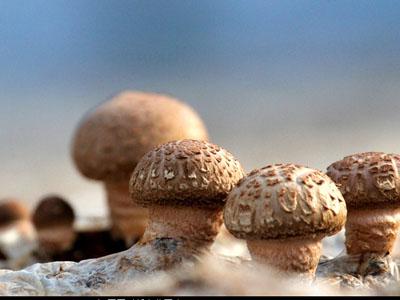
In recent years, the state has attached great importance to the development of the edible fungi industry. Targeted poverty alleviation, the development of the big health industry, and agricultural supply-side reform have all mentioned vigorously developing the edible fungi industry. For example, Wudalianchi City in Heilongjiang, in order to develop and strengthen the edible fungi industry, provides financial subsidies to edible fungi growers. The scope of edible fungi is very broad, and some have already developed rapidly. Everyone can pay more attention to some less popular edible fungi projects. Such projects have very high returns, but they have not yet been widely cultivated, so both the market prospects and profit prospects are great.