Floral water ingredients include pesticide labeling, and the difference between regular and mosquito-repellent floral water
As soon as summer arrives, mosquitoes run rampant, and the varieties of floral water have kept pace with the season, offering many options, including regular floral water and mosquito-repellent floral water.
Q1 What is the difference between regular floral water and mosquito-repellent floral water?
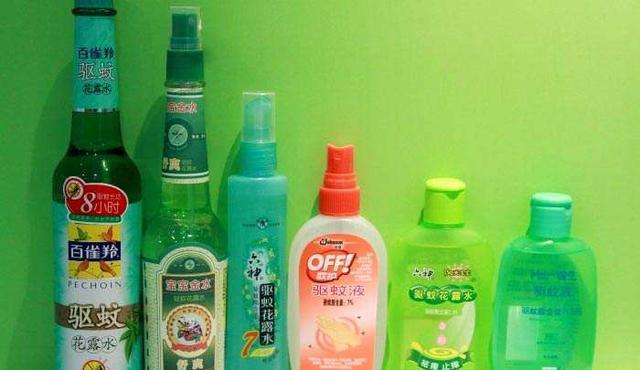
Regular floral water is mainly made from ethanol, water and plant essential oils, and generally also contains menthol and borneol to add a cooling sensation and relieve pain and itching. Some also add salicylic acid and Chinese herbal extracts such as honeysuckle and cow bezoar, which can provide a certain sterilizing and itch-relieving effect.
The main effects of regular floral water are sterilizing and relieving itching, cooling and clearing prickly heat, and freshening the air.
Mosquito-repellent floral water, on the other hand, is regular floral water with an appropriate amount of mosquito repellent added, able to drive away mosquitoes and prevent bites.
Some observant people have noticed that some floral water is labeled with a pesticide approval number. Could it be that floral water also contains pesticides?
Q2 Why does the ingredient list of floral water contain the word pesticide?
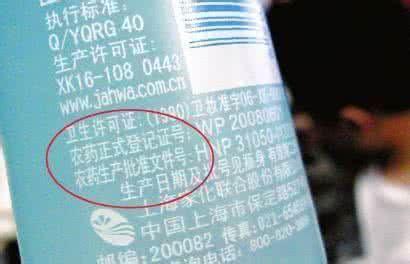
According to China's definition of pesticides, mosquito-repellent floral water containing DEET and mosquito-repellent ester falls under pesticide management, so qualified products will carry the word pesticide.
Those labeled with the word pesticide refer to mosquito-repellent floral water, and their pesticide ingredients refer to mosquito repellent, DEET and mosquito-repellent ester.
The definition of pesticides is very broad, covering many synthetic or natural substances that affect plants and insects. Their toxicity also ranges from non-toxic to highly toxic, so pesticides are not all toxic.
Q3 Are the pesticide ingredients in floral water toxic?
The definition of pesticides is very broad, covering many synthetic or natural substances that affect plants and insects. Their toxicity also ranges from non-toxic to highly toxic, so pesticides are not all toxic.
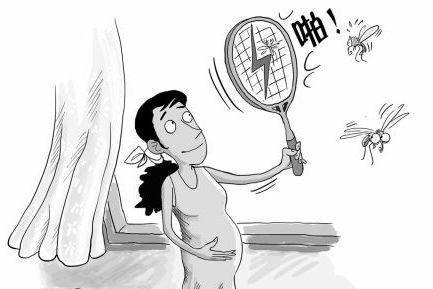
4 Can infants and pregnant women use mosquito-repellent floral water?
In China, mosquito-repellent floral water generally contains 4-5%, and as long as you do not drink it, it is definitely safe. The toxicity of mosquito-repellent ester is relatively lower, with less irritation. Current research shows that although animal experiments and population surveys have found no effects of DEET and mosquito-repellent ester on infants and pregnant women, countries still take a conservative stance.
5 Do mosquito-repellent herbs have a mosquito-repellent effect?
Experiments found that fewer mosquitoes fly around grown mosquito-repellent herbs, but experiments in glass boxes and simulated living environments showed no obvious mosquito-repellent effect. In addition, mugwort, night-blooming jessamine and others also have no obvious mosquito-repellent effect.
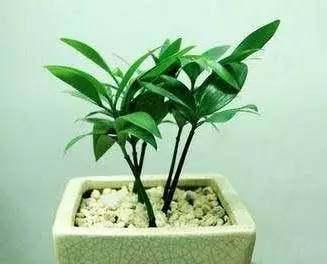
Mosquito-repellent plants do contain ingredients that can drive away mosquitoes, but relying only on leaf volatilization, in our daily indoor spaces, which are large and well ventilated and mixed with various other odors, it is difficult to achieve an ideal mosquito-repellent effect.
Potted plants add a bit of life to the home, but do not count on them to block the invasion of a mosquito army.