Are vegetables bitten by bugs safer, pesticide-free green vegetables?
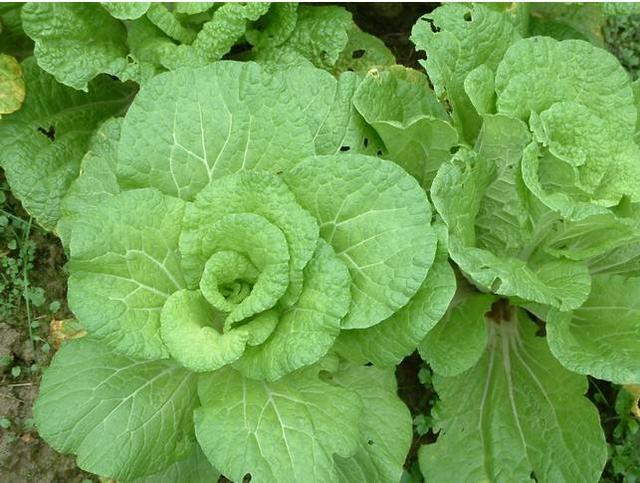
As everyone's living standards rise year by year, the craze for green vegetables grows stronger and stronger. So, how do you choose green vegetables? What counts as green vegetables? This has become a must-discuss topic for health-conscious square-dancing ladies over tea and gossip.
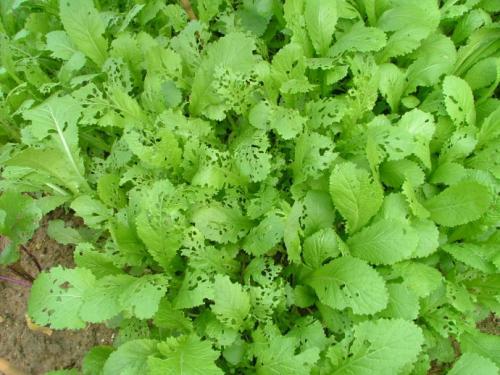
Many people think that if a vegetable has been bitten by bugs, it means no pesticide was used. Vegetables eaten by bugs feel safer to eat. Is that really true?
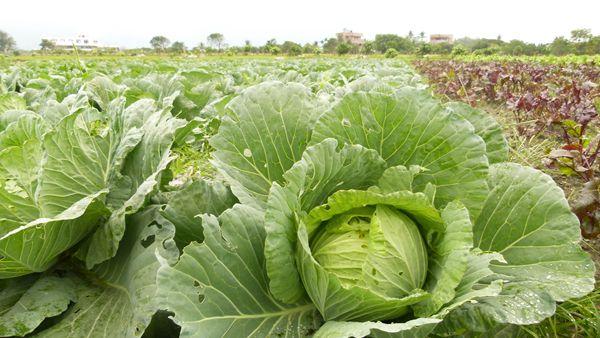
Napa cabbage and choy sum with traces of bug bites - if bugs dare to eat the vegetables, that means they are non-toxic. But are they really safer to eat?
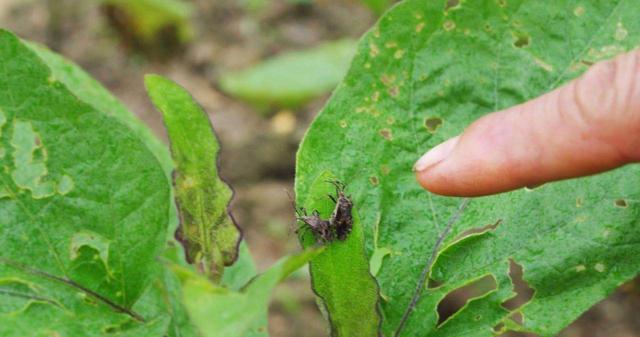
In the process of bugs biting vegetables, harmful substances are produced. It can be said that vegetables with bug holes are not only unsafe, but may actually be more dangerous.
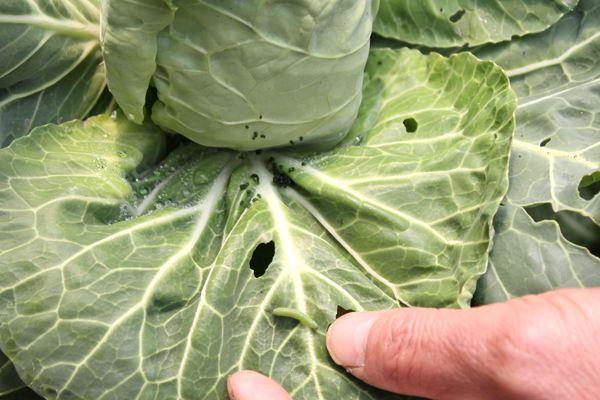
We should still choose crops with a clean appearance. If plants get diseased, it is almost always "fungi" behind it, and the medium that helps fungi run rampant is insects. Places bitten by bugs are prone to mold, which then causes the plant to become diseased. So crops with many bug-bite wounds on the surface mean many fungal diseases.
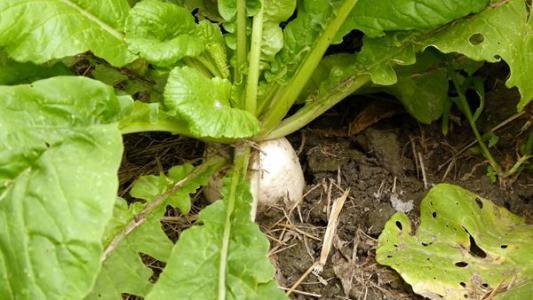
So how do you choose safe vegetables? There are three key points. First, choose vegetables in season; second, choose vegetables harvested nearby - these vegetables do not need to be transported, so relatively speaking they are fresher; third, small vegetables - an intact plant skin is the best antibacterial protective wall, and small vegetables are not cut open for sale, so they are safer.