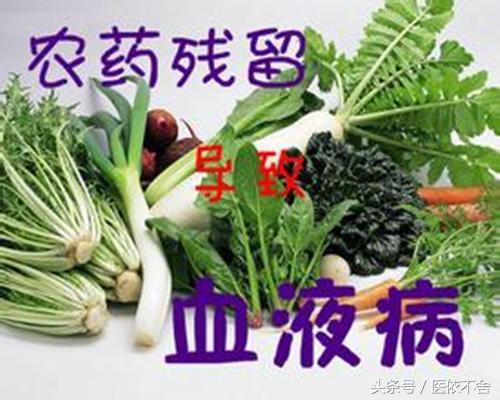
Which vegetables have the most pesticide residue? The answer is surprising
Agriculture today cannot do without pesticides, and on our dining tables we can hardly find any vegetables that have not been sprayed with pesticides. Which vegetables and fruits are most likely to have pesticide residue problems? Research shows that each vegetable has a different growth cycle and different characteristics. Pesticide use also differs. Therefore, the amount of residue also varies.

Leafy greens with short growth cycles, as well as cauliflower, strawberries and other fruits and vegetables with uneven surfaces, tend to have relatively more pesticide residue. This is because leafy greens have large leaves, and pesticides are easily left on the leaves when sprayed. This is especially true for vegetables such as cabbage and napa cabbage, which need to be sprayed once for every layer they grow; and for fruits and vegetables such as cauliflower and strawberries, pesticides remain on their uneven surfaces and are difficult to break down through rain, air and other environmental factors. Combined with their short growth cycles, they may be more likely to exceed the limits.
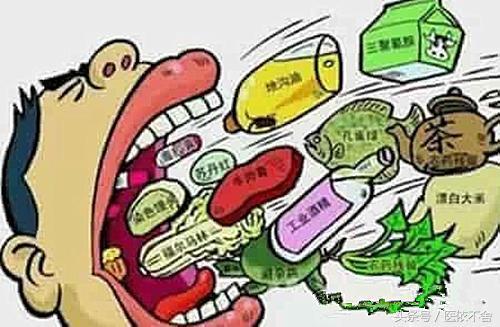
For green peppers, cucumbers, green beans, radishes and other root and stem vegetables, as well as some thin-skinned fruits and vegetables such as tomatoes, cherries, peaches and nectarines, the pesticide residue situation is somewhat better; for potatoes, onions, radishes, sweet potatoes, peanuts and other fruits and vegetables that grow directly buried in the soil, the pesticide residue situation is even less.
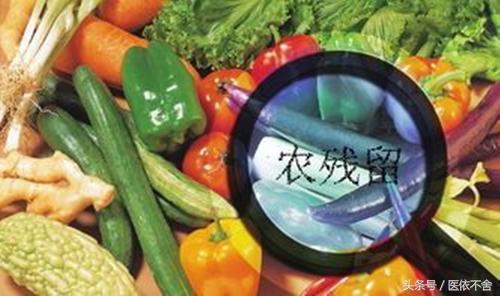
Fruits and vegetables with a strong odor have the least pesticide residue. Vegetables such as fennel, cilantro, chili peppers and Chinese kale have unique flavors, so they suffer from fewer pests and diseases, and therefore less pesticide is used. In addition, fruits and nuts with thick skins, such as kiwis, walnuts and chestnuts, have even fewer pests and diseases. Their growth cycles are also long, so they basically have no pesticide residue.
Regarding pesticide contamination, besides differing by the type of fruit or vegetable, it also differs by season. Generally speaking, summer is the high-risk season for pesticide residue levels in vegetables exceeding the limits. This is because high temperatures increase vegetable pests and diseases, forcing farmers to spray pesticides. Moreover, vegetables grow quickly in summer, so they are often harvested and brought to market before the pesticides have degraded. In some regions, the failure rate of pesticide residue tests on summer vegetables even exceeds 10%. Therefore, eating vegetables in summer requires special precautions.