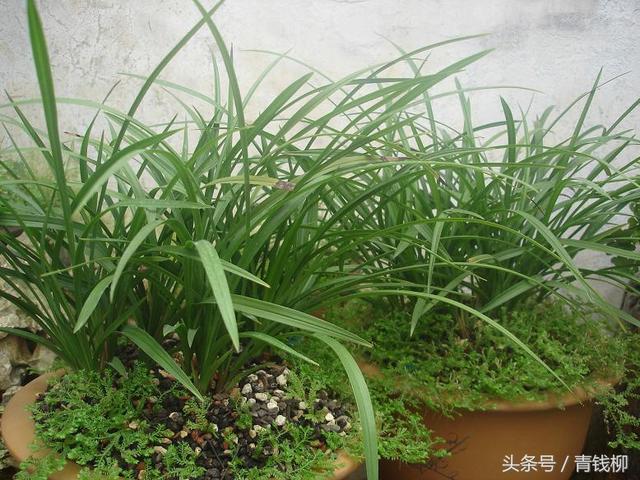
Orchid Bonsai: Planting Methods and Care Tips
Planting and Care Tips for Bonsai Orchids
1. Location
The location where orchids are placed is very important, as it directly affects the growth and development of the orchids. Orchids are generally placed outdoors in spring, summer and autumn (in summer, place them in a shaded spot outdoors), and indoors in winter. Outdoors, it is best to have open space on all sides and moist air. Indoors, there should be plenty of light, ideally facing south. This is favorable for orchid growth. The orchid pot is best placed on a wooden stand or table, not directly on the ground.
2. Shading
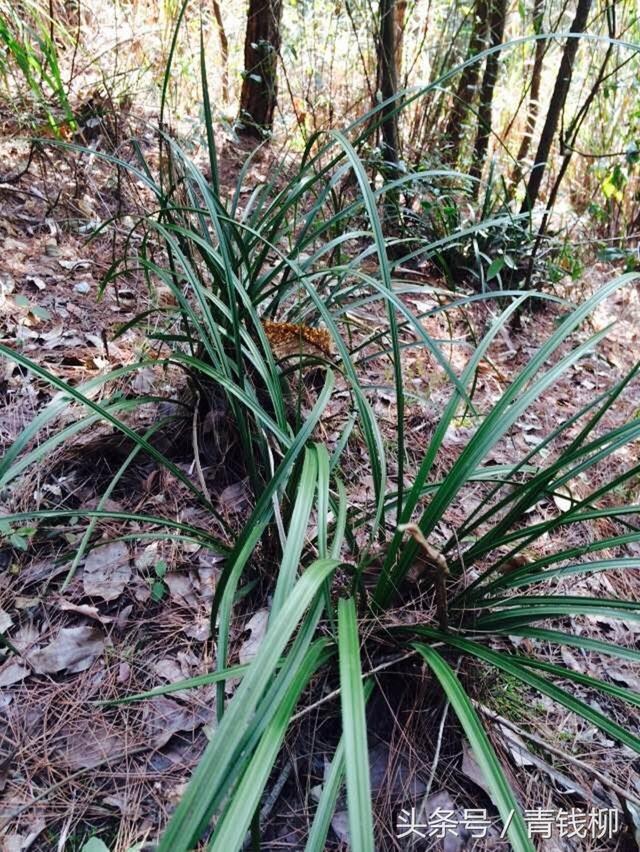
Orchids mostly belong to the semi-shade plants, and most species are afraid of direct sunlight, so they need appropriate shading. In early to mid-April, orchids can receive more sunlight to promote their growth. After late April, appropriate shading is needed. For summer orchids and autumn orchids with upright leaves, the varieties are best placed in a shaded spot facing south so they receive a suitable amount of sunlight; for drooping-leaf autumn orchids and spring orchids, 2 hours of light per day is best. From the beginning of June to September, shading should be started earlier each day; for example, with reed blinds, use dense blinds or 2 layers of sparse blinds. After October, when the weather turns cooler and the sunlight is weaker, shading can be delayed, but around noon, attention should still be paid to providing shade.
3. Rain Protection
Orchids can tolerate light rain, but must be protected from plum rain, showers or continuous rain. During the plum rain season, rain protection work must be done especially well. From late June to mid-September, there are often showers. If the rain is short in duration and the rainfall is small, more water should be given in the evening to let the heat inside the pot escape; otherwise the orchids will be damaged, or even have root rot and die. If a shower is followed by sunshine, shade must be provided in time to prevent the heat rising from the ground from affecting orchid growth.
In the rainy season, which coincides with the stage when orchids are sprouting leaf buds, if the potting soil is too wet, it will cause poor leaf bud growth or invite disease. At this time, a small amount of plant ash can be scattered to regulate the moisture of the potting soil.
4. Watering
There is a saying among flower growers: "Dry orchids, wet chrysanthemums," and there is some truth to this. Generally speaking, orchids are best kept at eight parts dry and two parts wet. If too wet, the flowers are prone to root rot and death. The principle of watering should be: water when dry, stop when wet, and keep appropriately on the dry side. In specific practice, generally note the following: during the growing period (May to the end of June), water appropriately more; during the leaf bud sprouting period (about March to April) and the flowering period (about March to April), water appropriately less; during the dormant period (winter), water even less or not at all. If the pot is large and the orchid plant is small, water less; if the pot is small and the plant is large, water more. In hot, dry weather, water appropriately more; in cool, damp conditions (such as the plum rain season), water less or not at all. For orchids newly dug from the mountains, if the root system is sparse or many roots are broken, water less and keep the potting soil a bit dry; this will prevent root rot and help new leaves sprout.
5. Fertilizing
Whether to fertilize orchids depends on their growth condition. Those that grow luxuriantly and are free of disease can be fertilized; those that grow poorly should not be fertilized, or only lightly. Orchids newly dug from the mountains must absolutely not be fertilized before new roots have developed; they need 1~2 years of cultivation, and only when the new roots are vigorous can they be fertilized, otherwise they are likely to wither and die. Generally speaking, in June~July, when orchid leaf buds have extended to about 1.5cm, 1~2 applications of thin, well-rotted liquid fertilizer may be given (chemical fertilizer is not suitable), but fertilization is not suitable in high-temperature seasons. In August~September, apply 1~2 more applications of well-rotted, thin liquid fertilizer. For plain-color orchid varieties, 1~2 applications of plant ash extract can be given, with very good results. Fertilizing in the evening is best, and the next morning water once with clear water. A simpler way to tell whether orchids need fertilizing is to look at the depth of leaf color. Yellow and thin leaves mean a lack of fertilizer, and topdressing should be applied; black leaves with scorched leaf tips mean too much fertilizer, and fertilizing should be stopped.
6. Pruning
During orchid cultivation, pruning must be carried out continuously. When old leaves turn yellow, they should be cut off in time to improve ventilation, and some leaves with dried tips should also be cut off. In particular, leaves damaged by pests and diseases must be removed in time to prevent infection. When cutting off leaves with viral disease, the scissors used should not then be used to cut healthy leaves, to prevent the spread of the virus. If the same pair of scissors is used, it must be disinfected. For precious orchids, after the flower buds emerge from the soil, if there are too many flower buds, keep the strong buds and remove the remaining thin, small flower buds; keeping 1~2 flower buds per pot is appropriate. If there are too many flower buds, not only will the flowers bloom poorly that year, but too much of the parent plant's nutrients will also be consumed, affecting flowering the following year. Generally, orchids do not need their flower buds removed. Spring orchid flowers bloom for about half a month, after which the flowers should be cut off; for summer orchids, after the last flower on the inflorescence has opened for 1 week, the inflorescence should also be cut off. Precious varieties should not be allowed to be pollinated and set seed, otherwise flowering the next year will be affected. If they are used for hybrid breeding, then separate attention must be paid to cultivation so that the fruit becomes full and ripe.
7. Cold Protection
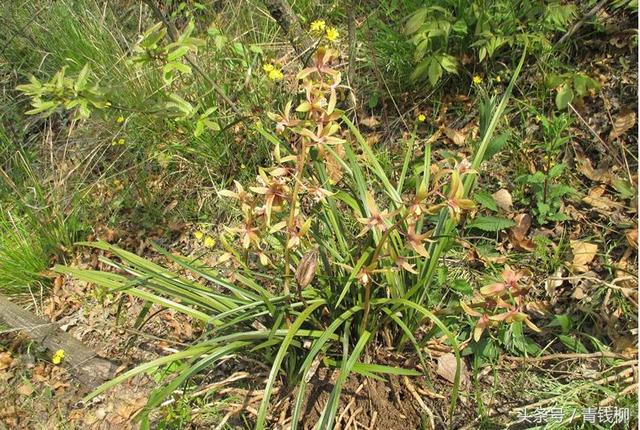
Autumn orchids should have cold protection work done early; for example, when the temperature is 2~3°C, they can be moved indoors. Cymbidium kanran, which grows in the south, needs cold protection even earlier. Spring and summer orchids are more cold-resistant, but if freezing occurs, they must also be moved indoors in time. If the room temperature can be kept at 1~2°C, they can overwinter. If a severe cold wave strikes and the room temperature drops below 0°C, heating must be provided in time; generally it is enough to keep the room from freezing. Indoors, autumn orchids should be placed on the south-facing side, and spring and summer orchids on the other side. Around noon, windows on the south and southeast sides should be opened for ventilation (for autumn orchids, on cloudy days at 1~2°C, windows must not be opened, to prevent cold wind from blowing in and freezing the leaves). Autumn orchids prefer somewhat dry conditions in winter, while the potting soil of other orchids should be kept moist.
8. Flower Removal
For orchids that grow poorly, with few leaves per clump, or with poor roots, flower removal should be carried out. For better varieties, spring orchids can appropriately have 1~2 flower buds removed; for summer orchids, when the flower buds have extended, keep 1~2 flower buds and remove the rest; this way the flowers can last longer, more new leaves can sprout, and the old leaves are less likely to wither and die. Precious spring orchid flowers should be removed after 3~5 days of blooming, so that the leaf buds grow vigorously; summer orchid flowers can also be cut off 3cm above the pot surface when the topmost 1 flower has opened.
9. Wind Protection
If the cultivation site is open on all sides and the terrain is relatively high, wind protection work must be done in summer when strong winds or typhoons pass through, so that the leaves of summer orchids or Cymbidium kanran are not broken or damaged.
10. Misting
In dry seasons, mist the balcony where the potted flowers are placed every evening, mainly to make the ground moist and increase air humidity. The surface of the orchid pots should also be misted. When misting, spray upward so that the mist droplets fall finely and evenly and the leaf surfaces become moist; this can promote good orchid growth and give the leaves a glossy sheen.
11. Pest and Disease Control
Sterilization treatment should be carried out (exposure to the blazing sun is sufficient) to prevent disease. Orchids are most prone to southern blight in rainy, high-temperature seasons; thiophanate-methyl at 800 times dilution or Bordeaux mixture can be sprayed for prevention. If the disease is severe, thiophanate-methyl at 500~750 times dilution can be used, sprayed once every 7~10 days. Among insect pests, scale insects occur most often; if scale insects are found, they should be removed in time. To avoid scale insect infestation, starting in April, "1059" at 2000 times dilution can be used for control.
In order to suppress the occurrence of orchid diseases, in addition to properly controlling the dryness and wetness of the potting soil at ordinary times, clay pots should also be used as much as possible and glazed pots used less when choosing flower pots. In particular, newly dug orchids from the mountains that grow poorly must be planted in clay pots. Doing so makes the potting soil dry easily, which can promote orchid growth and reduce disease occurrence.
The above is a brief introduction. Orchids are quite demanding in both living environment and nutritional requirements, so everyone should care for them according to their habits in order to grow beautiful, lovely orchids.