What are the precautions for growing and storing quinoa?
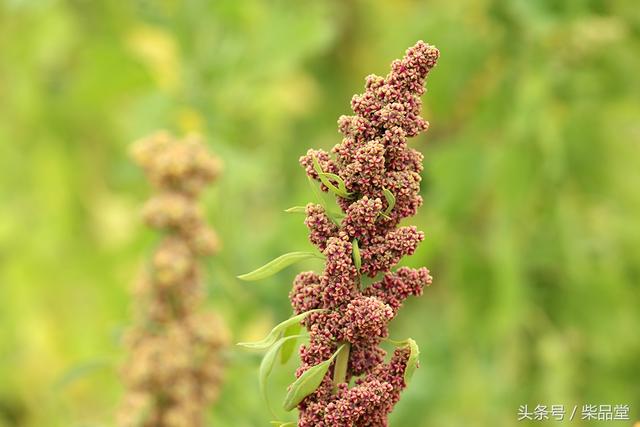
Quinoa originated in the Andes region of South America and was a staple traditional food of the Inca indigenous people, with a cultivation history of more than 5,000 to 7,000 years. Because of its unique, rich and comprehensive nutritional value, it nourished the Inca people, and the ancient Incas called it the "mother of grain." Quinoa seeds are mainly black, red and white; the black and red grains are smaller, while the white ones taste better. In the 1980s, quinoa was used by NASA as space food for astronauts. The Food and Agriculture Organization of the United Nations considers quinoa the only single plant food that can basically meet the human body's basic nutritional needs, and officially recommended quinoa as the most suitable perfect complete nutritional food for humans.
In China, quinoa is mostly produced in Shanxi, Qinghai and other places, because growing quinoa requires choosing ridge land and second-terrace land with higher terrain, abundant sunshine, good ventilation and relatively good fertility. It is strictly forbidden to plant it in shady, moist river beach land or gully land with poor ventilation and lighting. For the plot soil, red clay soil or red sandy soil is best.
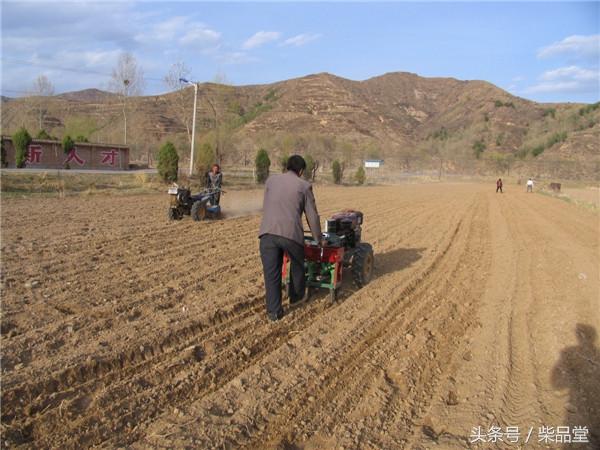
Quinoa is grown on dry slope and ridge land, so improving rainwater use efficiency is crucial. In early spring when the soil has just thawed, while the temperature is still low and soil moisture evaporates slowly, apply enough base fertilizer to achieve integration of soil and fertilizer, strengthen the soil and store water. Before sowing, harrow and level the soil promptly after each rainfall, so that the topsoil is loose and the subsoil is firm. In drought, only harrow without plowing, and carry out compaction treatment. Of course, when growing quinoa, you must never forget fertilization. The fertilizer type should be sheep manure treated by high-temperature fermentation, followed by farmyard organic fertilizer. Chemical fertilizers are strictly forbidden, including inorganic fertilizers such as ammonium phosphate nitrate. Base fertilizer should be applied once before sowing in combination with deep plowing and land preparation, generally mainly farmyard manure. For example, mixing phosphate fertilizer with farmyard manure and composting it as base fertilizer gives the best effect. Base fertilizer is best applied in autumn or early spring.
The main prerequisites for successfully carrying out quinoa production are soil, soil pH, climate, water, rainfall, temperature, radiation and altitude. The suitable temperature is 15-20°C, the maximum temperature should not exceed 32°C, the altitude should be above 1,500 m, the soil pH should be 5.5-8.5, and the soil moisture should be at least equivalent to 3/4 of field capacity to promote seed germination.
The sowing period should generally be chosen around mid-May (a temperature of 15°C-20°C is suitable). It is best to sow after rain or two days before forecast rain, with rainfall of at least 20 mm, to ensure normal emergence and a full stand of seedlings. The recommended row spacing for sowing is 40-50 cm, and the sowing depth should not exceed 3 cm; too deep will affect emergence. If precision sowing equipment is available, hole sowing can be used with no more than 3 seeds per hole, with hole spacing of 20-30 cm, determined according to row spacing. Never sow too early; make sure the flowering period of the millet avoids cloudy and rainy days.
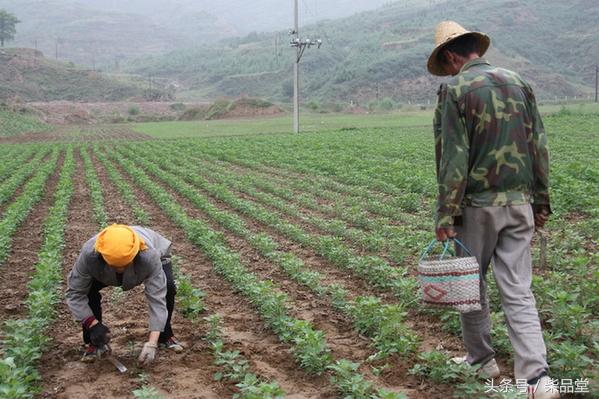
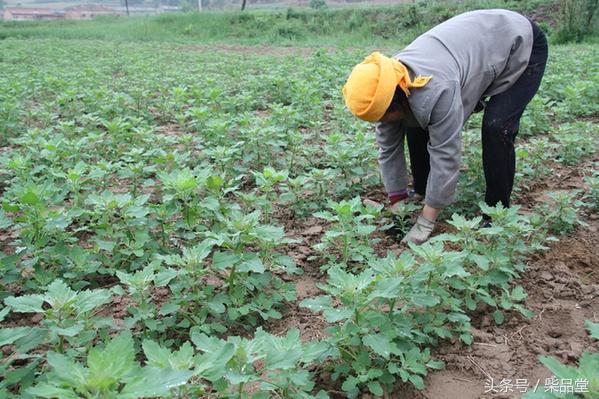
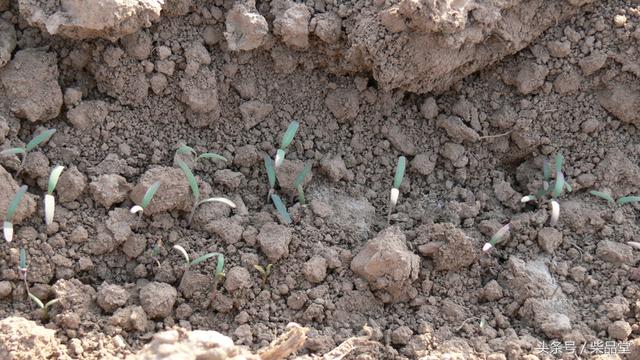
Quinoa germinates in about 3 days and emerges in 5 days. If there is no emergence after 10 days, reseed promptly. At about 30-40 days, when the seedlings have grown to 15-20 cm, begin hoeing weeds. Weeding must be done manually; herbicides must not be used. For the first weeding, thinning is also needed (so-called thinning means removing small seedlings with poor growth or those that are too densely packed), with plant spacing of 20 cm-30 cm, keeping a single seedling, and row spacing of 45 cm-50 cm. The second weeding is after more than 50 days, and soil can be banked around the roots to promote root growth and prevent lodging later. Under normal circumstances, topdressing is not needed, but sometimes if the seedlings lack nutrients, additional fertilization is still needed.
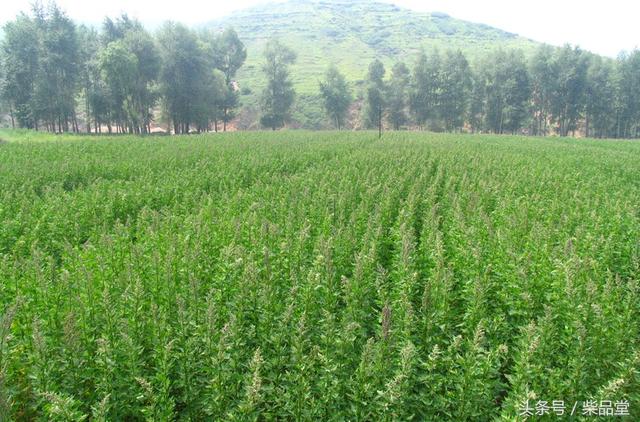
The small seedlings gradually grow taller, then flower. At this time, pay attention to the weather and be careful not to let them get rained on, otherwise if pollination cannot occur, they will not be able to bear fruit. After flowering, quinoa begins to set fruit, and the wheat ears gradually take on colorful hues. This should be the most beautiful time, with a large stretch of land covered in variegated wheat ears, especially spectacular.
The standard for quinoa maturity is, by appearance, that the leaves turn yellow and red, most leaves fall off, the stems begin to dry, and when the seeds are pinched with a fingernail there is no moisture. Nowadays, harvesting is mostly based on the use of a sickle, or the quinoa ears are broken off by hand. After harvesting, they can be dried in the field or on the threshing floor, and threshed with a four-separation thresher. After threshing, they need to be dried promptly. When drying, it is best to choose a place far from sand and gravel to avoid sand and gravel mixing in. If conditions permit, drying in the shade gives an even better effect.
Quinoa needs to be stored in a cool, dry, ventilated place free of rats. In the northwest and north, these are not a problem, but in the humid south, this can be somewhat difficult. When buying quinoa, it is best to choose vacuum-packed quinoa; as long as you do not open it, quinoa can still be stored for a long time. After opening it, remember to also keep it sealed in a dry place. Although many places say that quinoa has higher nutritional value after sprouting, look at the picture above. This is quinoa placed in a flowerpot for one night. At this growth rate, let alone eating quinoa sprouts, by the time you want to eat them, they will already have turned into quinoa seedlings...
Here it is necessary to remind brothers and sisters in the south: if you want to eat quinoa, it is better to find a place to buy it. Quinoa is not suitable for growing in the south. It keeps raining and raining and raining... The quinoa you planted has not yet been pollinated before it is chilled through by rainwater, or it sprouts again before it has grown well. However, for ornamental purposes, growing a small pot of quinoa in a flowerpot is quite distinctive.