What are the key points of baby cabbage cultivation techniques?
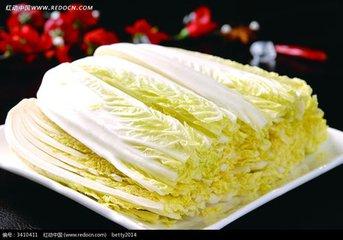
Baby cabbage is a miniature small-head Chinese cabbage. Its plant form is small and delicate, the stalks are thin and crisp-tender, green outside and white inside, with a fresh fragrance and rich nutrition, and it is deeply favored by consumers. Therefore, farmers growing baby cabbage also have good market prospects.
I. Planting season
Baby cabbage prefers a cool growing environment, and quality is best in seasons with mild climate. The suitable temperature for germination is 25°C; below 5°C it is prone to freezing damage; below 10°C growth is slow and the head is loose or fails to form; above 25°C it is prone to virus disease. At sowing and transplanting, the air temperature must be above 13°C, otherwise it tends to bolt. Baby cabbage is suitable for open-field planting in spring and autumn.
II. Variety selection
The variety is the foundation of cultivation and also the internal factor for improving quality and yield. Therefore, variety selection must be done carefully. For growing baby cabbage, choose extremely early-maturing first-generation hybrids with small individuals, uniform heads, bright color, crisp-tender leaves, excellent quality, suitability for close planting, and easy packaging. In addition, varieties grown under protected cultivation in winter and spring must have a certain ability to resist bolting, and varieties grown in summer must have strong heat tolerance and virus resistance.
III. Cultivation requirements and methods
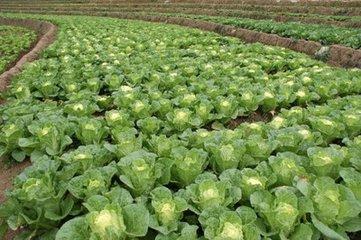
Baby cabbage has a relatively small root system and relatively poor ability to absorb nutrients and water, so choose sandy loam soil that is fertile, has a deep plow layer, high fertility, and convenient drainage and irrigation, with a suitable pH of 6.5-7.5. Apply 750 kg of NPK compound fertilizer per hectare plus sufficient decomposed organic fertilizer as base fertilizer, then plow deeply and rake level. In spring and autumn, flat-bed cultivation is suitable, with a bed width of 1.2 m; in summer, ridge cultivation is suitable, with a ridge width of 0.6 m. Baby cabbage can be direct-seeded, but from the perspective of ensuring full and uniform seedlings and improving yield and economic benefits, seedlings should be raised in advance and transplanted with soil at the 4-leaf stage, with 2 rows per ridge and 4 rows per bed, at a plant-row spacing of 20 cm x 30 cm, and about 195,000 plants per hectare is suitable. Each hectare requires 1.2 kg of seed.
IV. Field management
1. Temperature regulation
For winter and spring planting in greenhouses and plastic tunnels, keep the nighttime temperature above 13°C as much as possible. In the early stage, when daytime temperatures are relatively high, ventilation can be slightly increased to remove moisture and reduce the occurrence of downy mildew; when the minimum temperature rises to 13°C, ventilate day and night. Maintaining the daytime maximum temperature at around 25°C is sufficient. For small-arch-tunnel cultivation, as temperatures rise, ventilation should be gradually increased; when the minimum temperature rises to 13°C, remove the film, cultivate and weed in time, raise soil temperature, and promote root development. For open-field planting, the main points are to pay attention to the planting season and water drainage, keep fertility moderate, and provide protection under strong light or when temperatures drop sharply.
2. Fertilizer and water management
Baby cabbage has a relatively high fertilizer requirement. In the early growth stage, it needs a large amount of nitrogen fertilizer, followed by phosphate fertilizer. When the head forms, the demand for nitrogen and potassium fertilizers increases. After transplanting and seedling recovery, apply 150 kg of urea per hectare as a sidedressing in furrows. After the heading stage, apply 150 kg of nitrogen fertilizer per hectare as a sidedressing. Baby cabbage has a weak root system and prefers a relatively moist environment during vegetative growth. If water is insufficient, growth is poor, tissues harden, fiber increases, and quality deteriorates; if water is excessive, it affects root nutrient uptake and makes the plant prone to virus disease.
3. Pest and disease control
During the growth period, baby cabbage is harmed by downy mildew, soft rot, brown spot disease, and leaf-eating pests such as diamondback moth and cabbage caterpillar. Once found, promptly spray pesticides that are efficient, low-toxicity, and low-residue, or use manual methods to eliminate adult insects for control.
V. Timely harvest
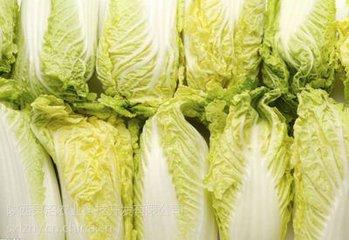
Baby cabbage is an early-maturing variety, and once mature it should be harvested promptly. If the head is too large or too firm, it easily reduces commercial value and lowers benefits. When the plant height is 30-35 cm and the head is tightly packed, it can be harvested. At harvest, pull up the whole plant, trim the base flat, remove excess outer leaves, and after wrapping with plastic cling film, it is ready for market.