How to grow vegetables in pots? A full breakdown of the key growing techniques
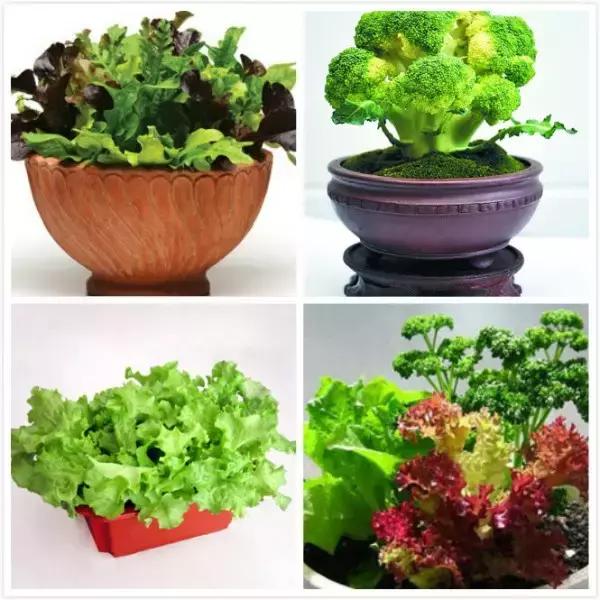
With the development of science and technology, agriculture has followed suit, and various development models have emerged. In the past decade or so, the new type of sightseeing tourism has grown rapidly, and for example, potted vegetables are slowly entering the public eye and starting to become popular.
Potted vegetables can be placed on a balcony, indoors, or in a courtyard. They are bright in color and not only have ornamental value and beautify the environment, but can also purify the environment. Importantly, they can also be eaten. Growing your own lets you enjoy the joy of harvest, and they are clean and hygienic, so you can eat them with peace of mind.
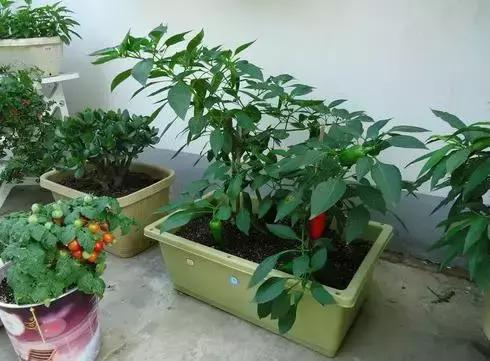
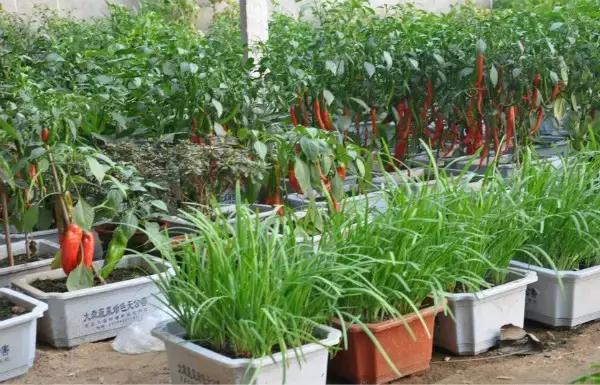
According to the editor's understanding, many higher-end restaurants now use potted vegetables as ingredient materials, and most restaurants buy potted organic vegetables, which both decorate the restaurant and ensure the freshness of the ingredients, making them more attractive to customers. It is believed that in the future more restaurants will buy ingredients this way, and the market prospects should be good.
Below, the editor mainly summarizes the key growing techniques for potted vegetables.
1. Pot selection: According to the characteristics of the vegetable, choose a pot large enough for the roots to develop. For example, melon and fruit types have well-developed root systems and need large pots, while solanaceous fruit types can choose slightly smaller pots.
2. Sowing period: Arrange the sowing and planting period according to the length of the growth period and consumer demand, so that the varieties grown can be sold during holidays and peak tourism seasons.
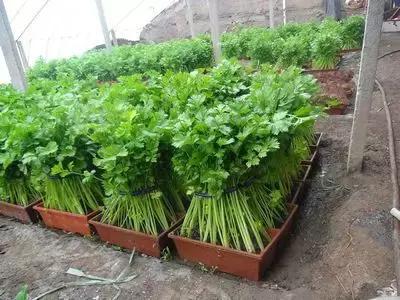
3. Environmental management: Fruit vegetables and leafy vegetables have different temperature and humidity requirements, so they should be grown separately and managed according to different temperature, humidity, and light conditions.
4. Trellising and pruning: Vegetables are required not only to grow well, but also to be attractive and artistic. Dwarf crops should be pruned in time to remove yellow leaves. Tomatoes and melon and fruit types should be supported with trellises of various shapes made from bamboo, wood, or steel bars so they can climb and grow. Branch thinning and vine pruning management must be carried out, removing side branches, and after they grow to a certain extent, the tips also need to be removed to inhibit vegetative growth, reduce nutrient consumption, and promote fruiting.
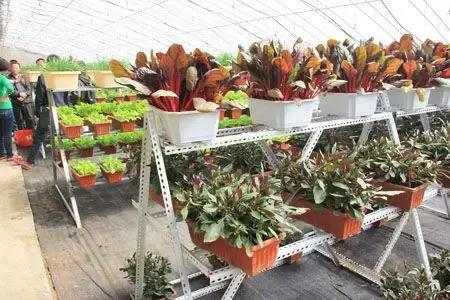
5. Fertilizer and water management: Use odorless organic fertilizer, water and control water at the right times, so that the root system is well developed, the growth is robust, and the fruiting is good. Ensure the supply of fertilizer and water; potted vegetables have limited nutrients, so fertilizer and water must be applied frequently.