Rice that never needs watering, fertilizing, or pesticides for its entire life cycle, just wait for the harvest after sowing
In the Yanwutan Reservoir in Yuanling County, Hunan Province, there is a rare kind of rice, and the reason it is rare is that it grows on the water surface. And on the mountaintop near the reservoir, there is another equally rare kind of rice, growing on a mountaintop with no watering conditions. Is this just for show?
Obviously not. The rice here, whether on the water surface or on the mountaintop, is never watered, fertilized, or sprayed with pesticides. This is simply the work of a rice master. The person who grows it is named Tong Jun.
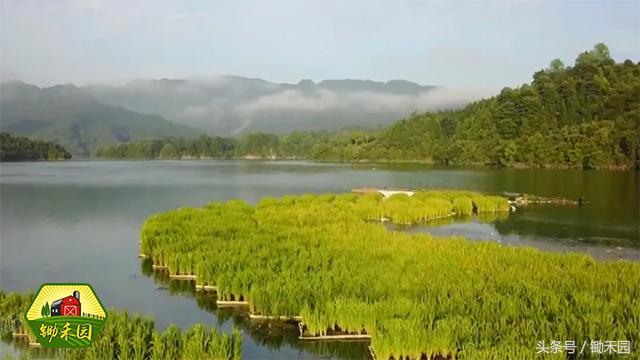
Water-grown rice, once cooked, is in no way inferior to rice grown on land. Its taste is good, and this is related to its being grown in water.
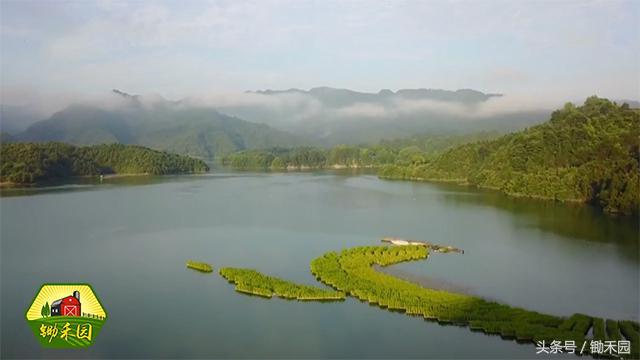
The lake area has a large water surface area, and the water temperature is relatively low, which makes the rice growth cycle at least 2 weeks longer than that of land-grown rice. Moreover, there is good sunlight here, strong ventilation, few pests, and plump grains, so the rice also contains more nutrients. The yield per mu can exceed 1000 jin, and the yield per mu has little to do with the variety.
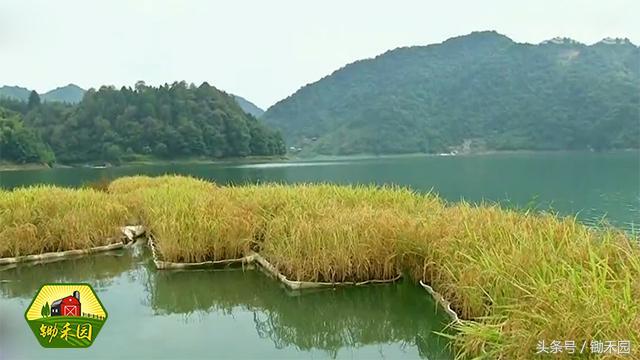
To get rice to leave the soil and seek yield on the water surface of lakes and waters, what is indispensable is the floating bed.
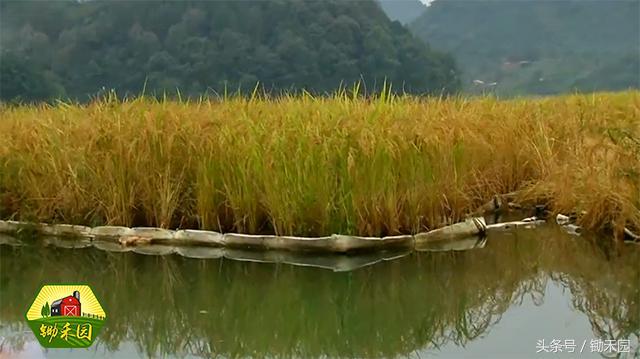
We all know that for growing vegetables on water, plastic material is generally used, but ordinary plastic is not resistant to low temperatures and becomes brittle when frozen. Finding a floating bed that neither causes pollution nor is durable is the foundation of water-grown rice cultivation.
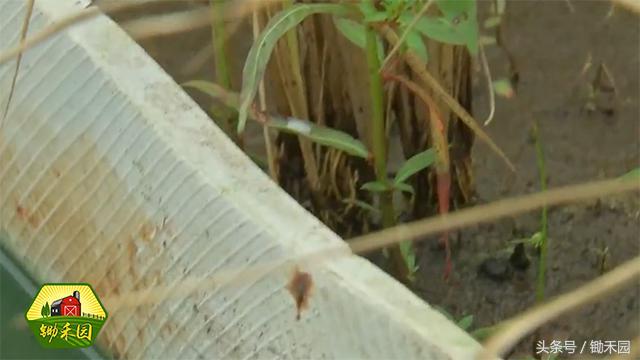
Tong Jun chose EVA material to make the floating bed, which can reach food-grade standard. At -20°C the floating bed is still soft, and it is cold-resistant and heat-resistant, and can be used for more than thirty years.
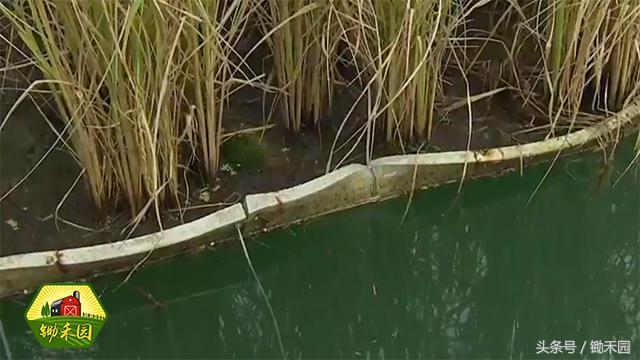
With a strong floating bed, water-grown rice has a place to take root. But to make the rice grow, drinking water alone is not enough; it also needs fertilizer.
Ordinary fertilizer dissolved in water will cause secondary pollution, so Tong Jun chose fertilizer substrate as the initial fertilizer.
The nutrient supply in the middle of the cultivation substrate enables the rice seeds to quickly develop a well-developed root system. After that, the subsequent nutrients supplied by the water surface alone are enough for the growth needs of the water-grown rice.
The root system of water-grown rice cannot be blown down by wind, and it can also continuously absorb nutrients from the water. After the rice matures, the straw is still green.
So how is the initial substrate for growing water-grown rice made?
In the substrate for water-grown rice, microorganisms play an important role. Increasing rice yield and improving quality are almost entirely due to them. This kind of microorganism appears granular, and on closer inspection also has white mycelium. All of it is taken from local mountains in Hunan, where there are many effective live bacterial species, strong energy, and they have long adapted to the local climate.
After the oil is pressed out of distiller's grains, the rapeseed cake, the mushroom dregs left after growing mushrooms, and the mushroom sticks are mixed with the original soil, and then biochar made from burned straw is added, and they are fermented together. Depending on the seasonal temperature, after 3-7 days the ideal cultivation substrate is obtained.
This kind of fertilizer is spread on the floating bed, the seeds are scattered on it, and no more fertilizer is applied throughout the entire growth process. During the rice growth period, all that needs to be done is to connect the rows of water-grown rice into sheets; no other operation is needed.
Growing rice on water means harvesting rice on water. So Tong Jun himself modified a harvester into a harvesting boat, improving harvesting efficiency.
In addition to making rice grow on the water surface, Tong Jun can also make rice grow on mountaintop mountain slopes without water. This kind of rice is not upland rice, but an ancient rice that has existed for a thousand years.
This ancient rice has good grain quality and strong adaptability. It can grow in any harsh environment. It is tolerant of barren soil, needs chemical fertilizer, has good disease resistance, and does not need pesticides.
But the local people do not like to grow it, because its disadvantages are also obvious. The yield is low. Nowadays it is commonplace for hybrid rice to exceed one ton per mu, while this only reaches two or three hundred jin. In addition, the germination rate is low and rooting is slow, so whether it grows well or poorly all depends on luck.
Through research, Tong Jun found that as long as the ancient rice seeds are handled properly, a bumper harvest can also be achieved year after year. So he creatively invented the model of first accelerating germination and then planting.
The first step is to let the ancient rice absorb water, accelerate germination, and then dry it in the sun. Then the dried seeds are subjected to micro-freezing treatment. Seeds treated in this way have a high germination rate when put into soil, and their growth speed is 5-10 times that of untreated seeds. After maturing, each rice ear can have about 200 grains, while untreated rice ears have only around 120 grains. The yield per mu can increase from more than 500 jin in the past to over a thousand jin.