What is the most effective way to wash pesticide residues off fruits and vegetables?
Food safety has always been a topic of great concern for everyone. Tableware, baby bottles, and even toys for babies all have to be sterilized one by one, so what about the things we eat? Fruits and vegetables can't be put in a sterilizer, but pesticide residues don't dissolve in water, so washing with tap water alone won't easily remove them. So what method should be used to wash fruits and vegetables to remove as much of the annoying pesticides as possible? Is the legendary method of washing with flour really effective? OK Mom got exclusive test results from a colleague at the Chinese Academy of Sciences. Flour, baking soda, shell powder, and boiling water blanching were all tested one by one, and the final test results tell everyone which washing method is the most reliable.
Although pesticides cannot be avoided, we ordinary people should at least know how to remove them. After reading our exclusive test report today, Mom will never have to worry about my pesticides again~~
Testing steps
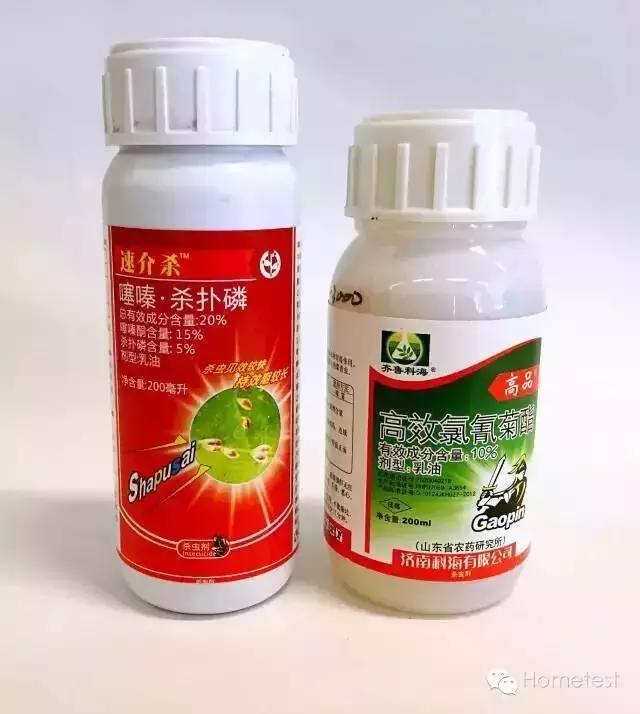
This is the pesticide that Ding Mom bought while disguised as a farmer from a rural plant protection station. One type is organophosphorus, and the other is pyrethroid. These two types can be said to be representatives of the pesticides commonly used by farmers!
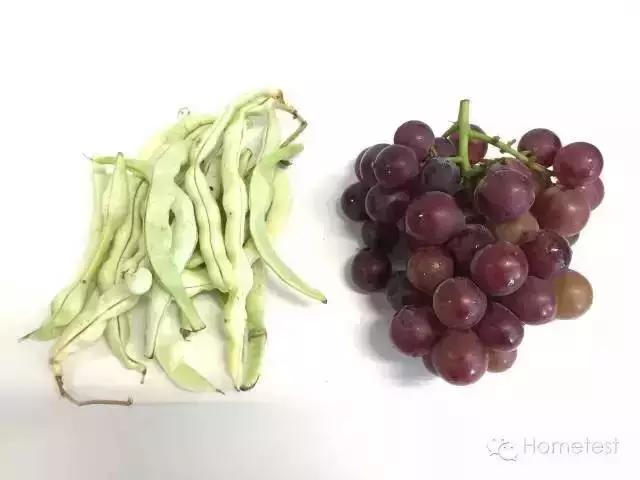
These are our experimental subjects. Long beans represent vegetables, and grapes represent fruits. When the research team members conduct the test, they will imitate the farmers and spray the 2 representatives with the 2 types of pesticides respectively.
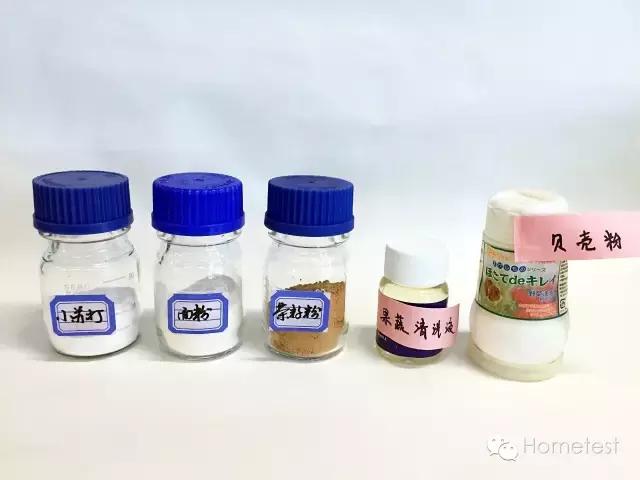
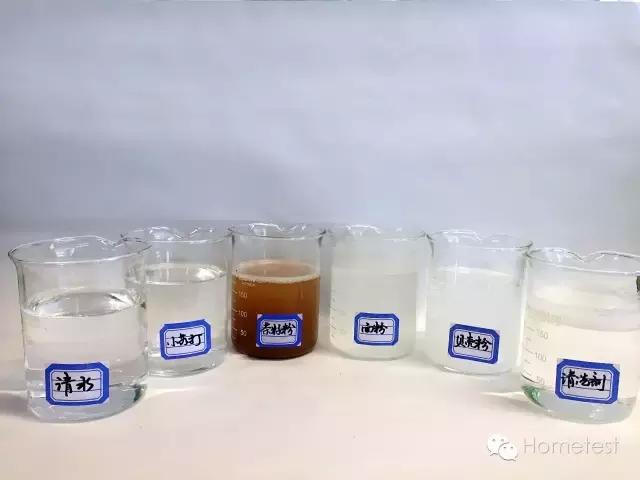
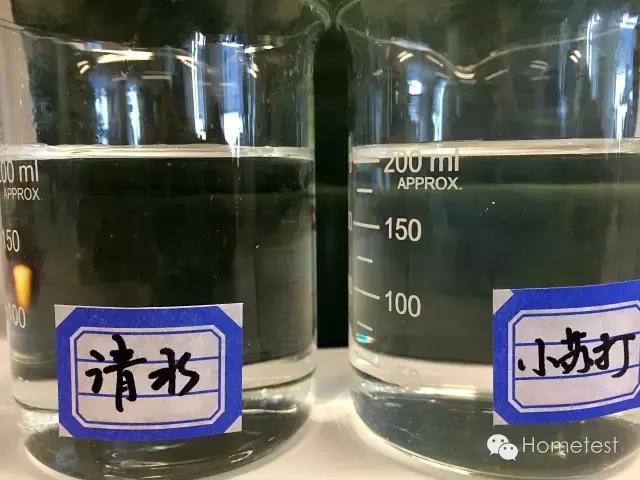
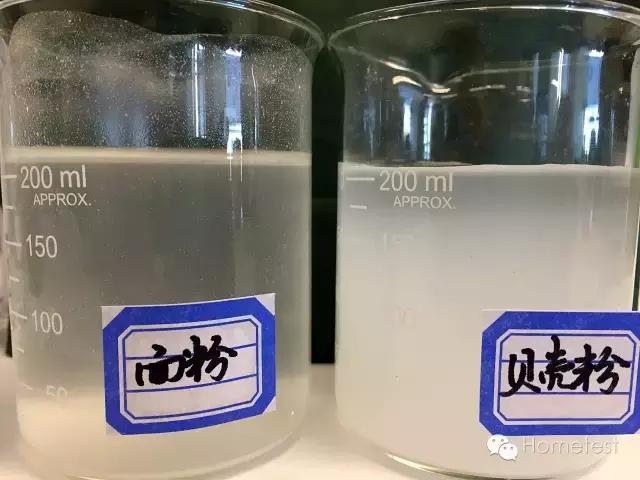
These are today's protagonists, all kinds of pesticide washing substances! These include flour, which grandmas and grandmothers especially love to use, shell powder, which fashionable cool moms love to use, baking soda and rapeseed powder, which environmental enthusiasts love to use, and also expensive fruit and vegetable cleaners.
Specific operating methods
1. Flour: Add 5g flour to 1 liter of water, soak the ingredients for 10 minutes, then rinse once under tap water.
2. Baking soda: Add 5g baking soda to 1 liter of water, soak the ingredients for 10 minutes, then rinse twice under tap water.
3. Tea seed powder: Add 5g tea seed powder to 1 liter of water, soak the ingredients for 10 minutes, then rinse once under tap water.
4. Cleaner: Add 4-5 drops of cleaner to 1 liter of water, add the ingredients and rub to wash (no soaking time), then rinse twice under tap water.
5. Tap water: Soak the ingredients in 1 liter of clean water for more than 20 minutes, then rub and rinse 3 times under tap water.
6. Boiling water: Put the ingredients into boiled boiling water for about 5 minutes, then rinse once under tap water.
7. Shell powder: Add 2g shell powder to 1 liter of water, soak the ingredients for 10 minutes, then rinse twice under tap water.
Test results
It's time to get serious. So which method is the most effective~~~
Never expected it!It turns out that blanching with boiling water, which costs not a single cent, is the most effective, and the percentages for removing the two pesticides actually reached 94% and 83%! Unfortunately, we can't blanch fruits with boiling water~~
Interpretation of results
Summary
1) Although the popular tea seed powder and flour help adsorb oil stains, they are still not strong enough for washing pesticides. It seems that the flour grape-washing method invented by us Chinese is not very reliable; moreover, according to reports, tea seed powder will deposit in pipes and attract cockroaches, so it is not recommended~~
2) Fruit and vegetable cleaner and baking soda seem to be good washing methods. It should be noted that after soaking, you must rinse several more times with clean water to prevent cleaner contamination.
3) If vegetables are blanched in boiling water after washing, the pesticides will basically be reduced to zero!
Related reading---
Operations staff: Feng Yupeng MZ014