A full breakdown of the dental implant process, the steps of getting an implant at a glance
Dental implants are one of the three ways to restore teeth. The other two are removable dentures and fixed bridges.
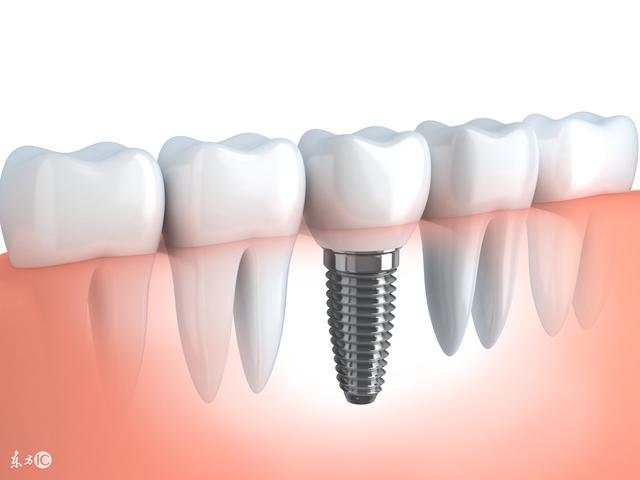
Many people are confused about which restoration to choose when they lose a tooth. Today let's first talk aboutwhere the advantages of dental implants lie.
Chewing function is better than the other two restoration methods
Has strong retention and stability
Can reduce or avoid grinding down your own natural teeth
Does not need the base plate and clasps that removable dentures require, so there is no large area of discomfort
Small in size, no exposed metal, attractive, and more helpful for keeping the mouth clean and hygienic
The disadvantages of dental implants compared with the other two restorations:High cost, long time required。
Because many people do not understand the dental implant process, today let's briefly explain the dental implant process here:
Generally, three months or more after tooth loss, you can come to the hospital to have the doctor look at your oral condition and take a CT scan
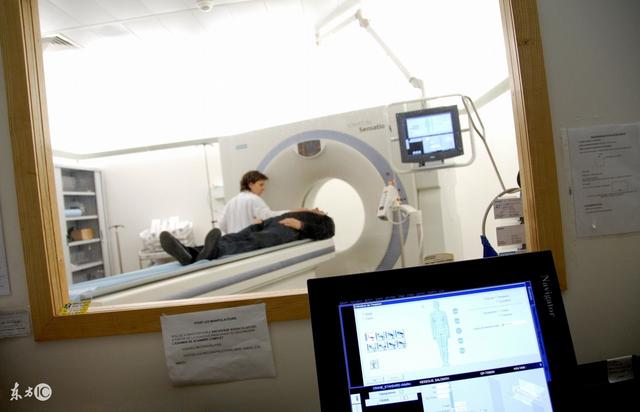
Once you meet the conditions for an implant, make an appointment for the first-stage implant surgery (the first-stage surgery mainly involves placing the tooth root)
After three to five months, come to the hospital for the second-stage implant surgery (the second-stage surgery involves opening up the gum area, and then the gum heals over the following two weeks)
Take the impression two weeks later
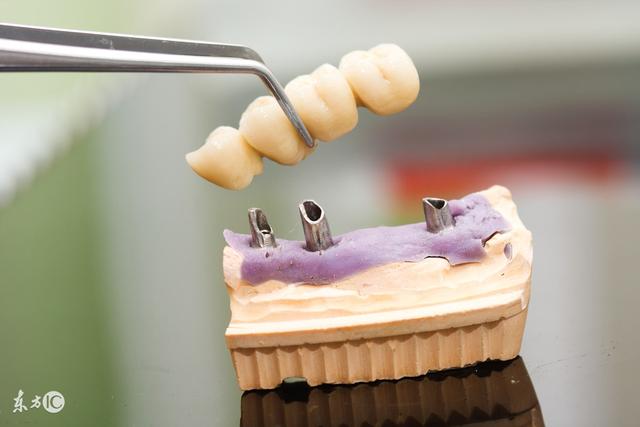
The crown can be fitted in about ten days

Come back for a follow-up visit after half a year, and after that generally have a check-up once a year
The above is the most standard implant process. For each individual, you should still follow your doctor's advice!