Starting this year, more than a dozen pesticides are completely banned, and farmers need to pay attention to the risk of violations when using them.
In the process of growing crops, farmers naturally use pesticides to reduce pests and diseases. However, in recent years, due to the single-minded pursuit of high crop yields, the use of chemical fertilizers, plastic film, pesticides, and the like has increased more and more, especially the latter, which can be called excessive use. Although the use of highly toxic pesticides has increased per-mu yields, it has also seriously harmed human health.
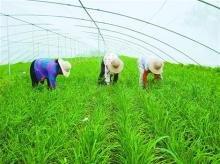
With the improvement of living standards, people's focus has shifted from whether they have enough to eat, to whether they eat well, and then to whether what they eat is safe. As a result, the issue of food safety has been put on the agenda. One aspect of food safety is undoubtedly the safety of agricultural products, and one aspect of the food safety issue is undoubtedly the problem of pesticide residues. In response, the state has strengthened control over pesticide use and strictly prohibited the use of highly toxic pesticides.
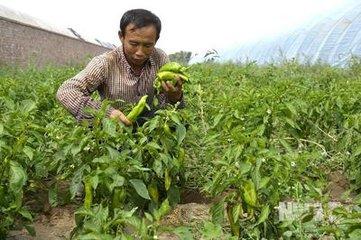
At present, the state has strengthened supervision over pesticide use. The following 12 highly toxic pesticides will be completely banned, specifically including phorate, aldicarb, isocarbophos, endosulfan, methyl bromide, ethoprophos, omethoate, isofenphos-methyl, aluminum phosphide, chloropicrin, carbofuran, and methomyl. Among them, aldicarb, phorate, and isocarbophos were completely banned in 2018; endosulfan and methyl bromide were completely banned in 2019; ethoprophos, omethoate, isofenphos-methyl, and aluminum phosphide were completely banned in 2020; the remaining three were completely banned in 2022.
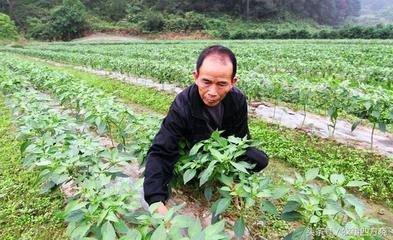
In addition to these 12 highly toxic pesticides, 22 of the 39 highly toxic pesticides commonly used in agricultural production have already withdrawn from the market. As farmers, we must firmly remember that after the specified time, the above highly toxic pesticides can no longer be used, otherwise it will be considered a "violation," and one will be punished or possibly sentenced to prison. In fact, if there were substitutes that act faster and work better than highly toxic and extremely toxic pesticides, farmers would naturally abandon the former, since farmers know better than anyone the harm of pesticide residues.
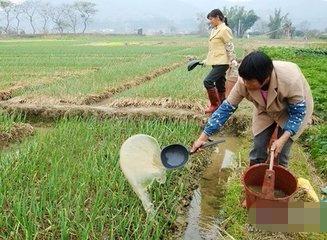
At present, the problem of pesticide residues is becoming increasingly serious, and strengthening pesticide supervision is imperative. However, the most important thing is to solve the problem of pesticide residues, improve food safety, and also curb the widespread occurrence of pests and diseases. Only by improving agricultural planting techniques can the problem of pests and diseases be solved, and then the amount of pesticide use will naturally decrease.
Farmer friends, what other feasible ways do you have to solve pesticide residues? Share them, and feel free to speak your mind in the comments section.