Skip These Steps When Washing Vegetables, and You Might as Well Be Eating Pesticides
Want to learn more about health? Click the top right corner ↗ and follow us!
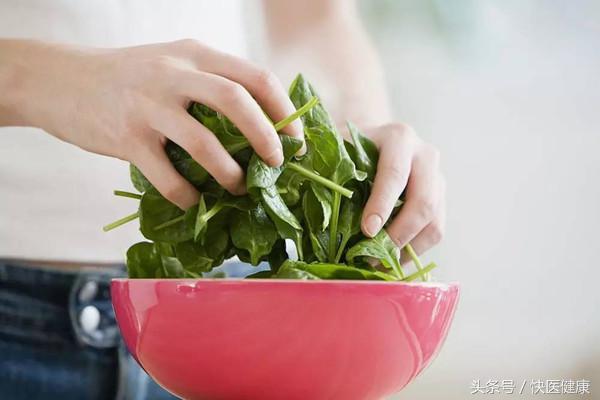
We all know that most of the fruits and vegetables grown today are sprayed with pesticides, and the harm pesticides do to the body should not be underestimated:
Once pesticides enter the human body, they are not easily metabolized or excreted, so they accumulate in the body's fatty tissues and liver. If they contain organophosphorus or organochlorine compounds, they may cause neurotoxicity, liver poisoning, kidney failure and various types of cancer.
Therefore, if you want to reduce the harm pesticide residues do to your health as much as possible, the best way is to thoroughly wash fruits and vegetables. You may think, who doesn't know how to wash vegetables? But is your method of washing vegetables correct? Can it wash the pesticides off fruits and vegetables?
The "five biggest mistakes" people most commonly make when washing vegetables
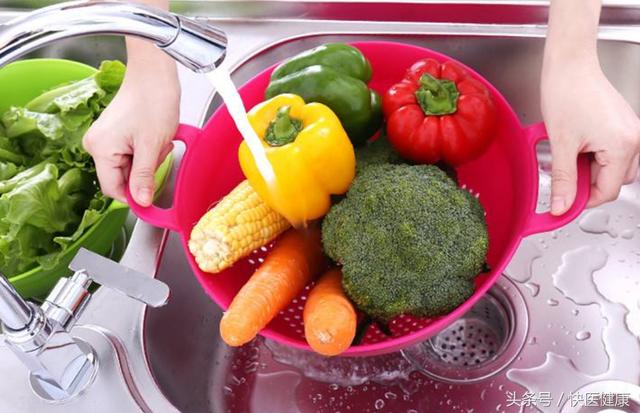
1. Washing vegetables with salt
Salt is made of sodium chloride. Using salt to wash vegetables actually makes pesticides more stable; all it does is salt the worms to death.
2. Cutting first, then washing
This mistake is even worse than washing vegetables with salt, because it actually increases the chance of the vegetable surface being contaminated by bacteria and pesticides. You should wash first, then cut.
3. Soaking for too long
If fruits and vegetables are soaked for more than half an hour, vitamins are easily lost.
4. Washing with synthetic detergents
This may leave secondary contaminants behind.
5. Washing vegetables with rice water
Rice itself also carries the risk of pesticide residues, so washing fruits and vegetables with rice water may do more harm than good.
Washing this way is wrong, washing that way doesn't work either. So how exactly should you handle fruits and vegetables so they don't fall victim to a "poisonous hand"?
Six great ways to remove pesticides from vegetables
1. Leafy greens - rinsing method
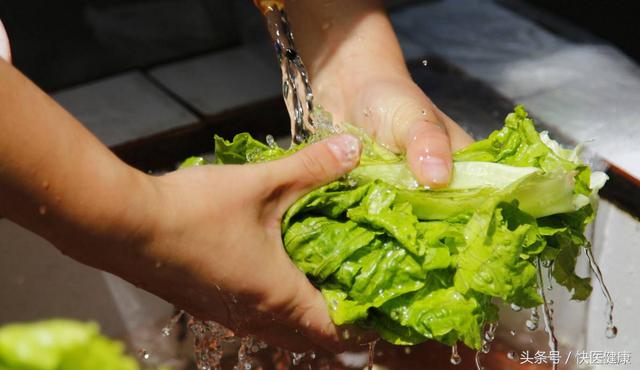
Sunlight can break down and destroy pesticides, so after buying leafy greens and bringing them home, you can spread them out and let them sit for five minutes first; the organochlorine content can be greatly reduced.
When washing, first soak the fruits and vegetables for 3-5 minutes, then change to clean water and rinse 2-3 times. Once there is no foam at all, you are done.
For cabbage and napa cabbage, first peel off 2 to 3 outer leaves, then separate the leaves one by one and rinse once with plenty of clean water, then use a sponge brush or soft-bristled brush to scrub away insect eggs or dirt, then wash a second time with clean water.
2. Vegetables with uneven surfaces - scrubbing method
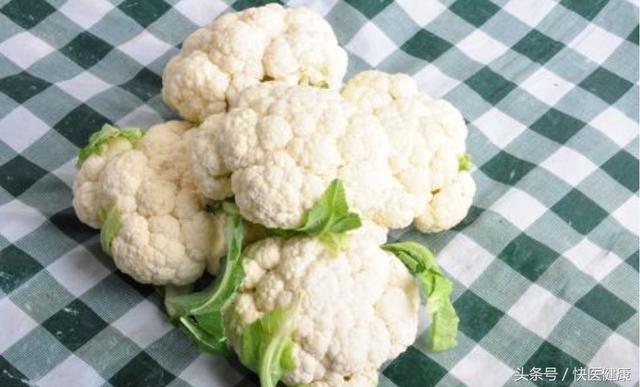
For fruits and vegetables with uneven surfaces or fuzzy skin, where some spots cannot be reached by hand, you can carefully scrub the surface with a soft-bristled brush, then rinse with plenty of clean water, such as cauliflower and broccoli. For this type of vegetable, it is recommended to blanch them in water first before cooking.
3. Melons, eggplant, radish - peeling method
Cucumbers, eggplant and radish should be peeled before eating as much as possible. Although eggplant skin and the like are rich in nutrients, when their safety cannot be guaranteed, it is recommended to peel them before eating.
Before peeling, first rinse thoroughly with plenty of clean water, and use a soft-bristled brush to scrub away surface dirt. After washing, wipe the surface dry with a paper towel so that when you peel, dirt or dirty water will not contaminate the edible part. Cucumbers can be rubbed with a little salt, then peeled before eating.
4. Baby bok choy, green peppers - cutting method
When pesticides are sprayed on baby bok choy and similar vegetables, the pesticides gather along the leaf stalks at the base of the stalk, so the base of the stalk should be cut off first. The stem end of green peppers is sunken and also tends to collect pesticides, so it should be cut off before washing.
After rinsing under running water, you can change to a new basin of water, add two spoonfuls of edible baking soda and soak for a while; an acid-base neutralization method can be used to remove some pesticides. Edible baking soda powder is water-soluble, so it can clean without leaving residue.
5. High-temperature blanching method
After leafy greens are washed and before eating, blanching them will give you more peace of mind. When blanching, keep the pot lid open so the residual pesticides can break down and evaporate.
Pesticides may dissolve into the soup, so the blanching water should be poured out, not drunk.
6. Storage method
For fruits and vegetables that do not rot easily, you can buy them and store them for several days first, but do not stuff them directly into the refrigerator. During storage, the enzymes naturally contained in the plant will gradually break down the residual pesticides, for example: cucumber, pumpkin, onion, taro, carrot, white radish, etc.
Meat and seafood also have clever washing tips
1. Pork, beef
Soak the meat in baking soda water for 5 minutes, then rinse, and the dirt on the meat can be easily washed away.
2. Fish
After cutting open the fish belly and washing it clean, put the fish in cold water, then pour a little vinegar and pepper into the water; this can greatly reduce the fishy smell. Or scrub it several times with rice water, or pour two spoonfuls of vinegar into cold water and put the fish in to clean it; either way can reduce the fishy smell.
3. Crabs and shellfish
Scrub the crab shell with salt water, then soak the crabs in lightly salted water so they spit out the dirt themselves. Change the lightly salted water several times to make sure the crabs are washed clean.
Shellfish should be soaked in water for a longer time, which helps wash away the dirt.