Tangerine peel brewed directly as tea may carry pesticide residue; this is how to make homemade dried tangerine peel safely

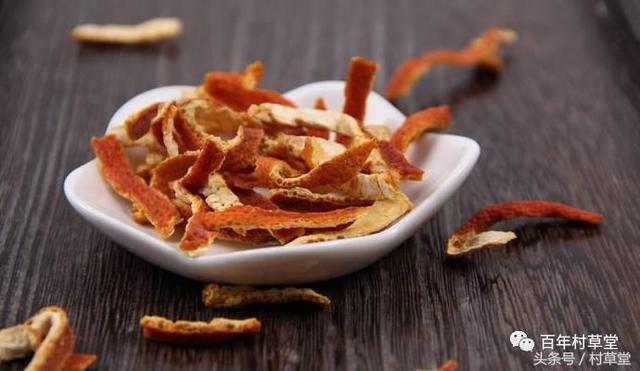
Other names for dried tangerine peel: tangerine peel, Guilao, red peel, yellow tangerine peel, Guangdong tangerine peel, Xinhui peel, mandarin peel. It is the mature fruit peel of the Rutaceae plant tangerine and its cultivated varieties. Because the longer it is stored, the stronger its medicinal effect, it is named chenpi (aged peel). When the fruit is ripe, pick the fruit, peel off the rind, and dry it in the shade or in a ventilated place. Only peel that has been sun-dried for more than 3 years can be called chenpi. Medicinal chenpi is divided into "chenpi" and "Guang chenpi," and Guang chenpi is usually cut into 3 to 4 segments when peeled.
Main nutrients:Volatile oil, hesperidin, vitamin B, vitamin C
Dietary therapy benefits:Strengthens the spleen and nourishes it, treats constipation, stimulates appetite and aids digestion, lowers blood lipids, stops vomiting and nausea, anti-aging
Suitable groups:Generally everyone can eat chenpi. Chenpi is suitable for people with spleen-stomach qi stagnation, abdominal distension, indigestion, poor appetite, and cough with profuse phlegm. It is also suitable for people preventing high blood pressure, myocardial infarction, fatty liver, and acute mastitis.
Contraindicated groups:People with yin fluid depletion, internal excess heat, and children should eat it with caution.
The effects and functions of chenpi
Chenpi is pungent and bitter in taste, warm in nature; it enters the spleen, stomach, and lung meridians; its qi is fragrant and dispersing, and it can rise and descend, with the effects of regulating qi and harmonizing the middle, drying dampness and transforming phlegm, and promoting urination and bowel movements. It mainly treats disharmony of the spleen and stomach, abdominal distension and pain, loss of appetite, vomiting and hiccups; phlegm-dampness obstructing the lungs, cough with profuse phlegm, chest and diaphragm fullness and oppression, dizziness; edema, difficult urination, constipation; breast abscess and scabies, and poisoning from fish and crab or alcohol.
1. Chenpi aids digestion because it contains limonoids, which have a mild taste and dissolve easily in water. In addition, chenpi contains volatile oil, hesperidin, vitamin B, C and other components. The volatile oil it contains has a mild stimulating effect on the gastrointestinal tract, can promote the secretion of digestive juices, expel gas accumulated in the intestines, and increase appetite.
2. The bitterness of chenpi can coordinate with other flavors, so it can be used in cooking to improve taste. It not only removes the gamey and fishy smell of fish and meat, but also makes dishes especially delicious; in preserved fruits and foods, Xinhui chenpi plum, chenpi duck, and chenpi wine all have distinctive color, aroma, and taste. In addition, when making desserts such as mung bean paste and red bean porridge, adding a little chenpi makes the flavor especially fragrant.
3. Chenpi is also a commonly used traditional Chinese medicine. It is pungent and bitter in taste and warm in nature, with the effects of promoting qi and strengthening the spleen, drying dampness and transforming phlegm, cutting grease and retaining fragrance, and descending rebellious qi to stop vomiting. In traditional Chinese medicine, "Chenpi Banxia Tang" and "Erchen Tang" rely mainly on chenpi for treatment. Chinese patent medicines made with chenpi as the main ingredient, such as Chuanbei Chenpi, Shedan Chenpi, Gancao Chenpi, chenpi paste, and chenpi powder, are good medicines for transforming phlegm and descending qi, and for resolving stagnation and strengthening the stomach. They are suitable for people with symptoms such as stomach fullness, indigestion, poor appetite, and cough with profuse phlegm.
4. Sobering up: chenpi has a very good sobering effect.
5. Weight loss: chenpi is high in carbohydrates but low in fat, and has a very good weight-loss effect.
What should be noted when eating chenpi?
1. Chenpi is generally used for brewing in water, as an ingredient in decocted Chinese medicine, and as a soup ingredient.
2. When selecting chenpi, the best is large pieces, bright color, oily and moist, soft texture, strong aroma, and a sweet, bitter, and pungent taste.
3. Tangerine peel (including tangerine red and tangerine white) brewed as tea is suitable for people with spleen-stomach qi stagnation, abdominal distension, indigestion, poor appetite, and cough with profuse phlegm; it is also suitable for people preventing high blood pressure, myocardial infarction, fatty liver, and acute mastitis.
4. People with qi deficiency and a dry constitution, yin deficiency with dry cough, hematemesis, and internal excess heat should take it with caution.
5. Chenpi should not be used together with Banxia or Nanxing; it should not be used together with warm, hot, fragrant, and drying medicines.
How to select chenpi?
Medicinal chenpi is divided into "chenpi" and "Guang chenpi."
Generally speaking, chenpi fruit peel is often peeled into several segments, connected at the base or in irregular fragments. The outer surface is orange-yellow or reddish-brown, with fine wrinkles and sunken dotted oil chambers; the inner surface is yellow-white, rough and spongy, with yellow-white or yellow-brown veined vascular bundles attached. The texture is slightly hard and brittle, the qi is fragrant, and the taste is pungent and slightly bitter.
Guang chenpi fruit peel, however, is mostly cut into 3 to 4 segments, connected at the base, neat and orderly in shape, and about 1 mm thick. The dotted oil chambers are larger, and when held to the light they are transparent and clear, and the texture is relatively soft. But whether chenpi or Guang chenpi, the best is large pieces, bright color, oily and moist, soft texture, strong aroma, and a sweet, bitter, and pungent taste.
How to store chenpi?
After sun-drying chenpi, place it in a bag or jar and seal it to keep it moisture-proof. Store it away from light in a ventilated, cool place.
What to do if chenpi becomes moldy?
Generally the mold is mostly white mold. If the outer peel has not been damaged, you can brush off the mold with a brush or cloth and dry it for storage. If the outer peel has turned black over a large area, it is not recommended to keep it.
Chenpi should occasionally be taken out to sun-dry, and kept sealed.
How to make healthy chenpi?
Chenpi has a fresh scent and can also promote qi and aid digestion. Snacks such as chenpi plum are also very popular, and it is a commonly used item that is both medicine and food. Brew a pot of chenpi tea and drink it in three portions between meals, and you will feel relaxed all over. However, many people like to dry the tangerine peel after eating the fruit and use it as chenpi to brew tea. This practice is not only not health-promoting, but may also harm health.
In recent years, tangerine trees have often suffered from pests and diseases. To prevent insect damage and increase yield, during the period from flowering to fruiting of tangerine trees, fruit farmers must spray large amounts of pesticides. At present, there are more than 300 kinds of pesticides used on vegetables and fruits, and most are not easy to decompose. Once pesticide residue remains on the surface of tangerines, it is very difficult to remove. Brewing tea directly with such tangerine peel will harm the body. Therefore, untreated chenpi is best not used to brew tea.
To obtain safe chenpi, you only need to do this:
1. Before eating tangerines, first rinse off surface dirt with clean water, then cover with clean water about 5 cm above, and soak in running water for no less than 30 minutes.
2. Soak in an appropriate amount of alkaline water (made by adding 5 to 10 grams of edible alkali to 500 milliliters of clean water) for 5 to 15 minutes.
3. Then rinse with clean water about 3 times.
Note: If necessary, add cleaning agents such as fruit and vegetable wash to increase the dissolution of pesticides; you can also place the cleaned tangerines in boiling water for 2 to 5 minutes, then immediately remove them, and rinse with clean water once or twice more, and you will have safe, non-toxic chenpi.
Copyright owned by Bainian Cuncaotang (WeChat ID: cctswkj). Reproduction must indicate the source.
Violators will be prosecuted.
Previous content
⊙Ma Yun changes careers, Song Xiaobao performs a skit, Wang Jianlin uses it for fun!
⊙Soup should not be simmered for more than 1 hour, 6 points you must know...
⊙Goji berries pair best with this, don't say...

Bainian Cuncaotang Xiangzhu benefits shared for free
Herbal tea encyclopediaRoseRed dateChrysanthemumLotus leafEjiaoLonganHawthornCassia seedHoneysuckle......
☑Reply "Herbal tea" to getThe complete collection of "Herbal Tea Encyclopedia"
Chinese herbal medicine encyclopediaLicoricePoriaAngelicaHe ShouwuPrepared rehmanniaGinkgoCodonopsisPolygonatumReishiBupleurum......
☑Reply "Chinese herbal medicine" to getThe complete collection of "Chinese Herbal Medicine Encyclopedia"
Whole grains and miscellaneous beans encyclopediaRed beanMilletPurple riceSoy milkMung beanSoybeanYamWheatJaponica riceSorghum......
☑Reply "Miscellaneous grains" to getThe complete collection of "Whole Grains and Miscellaneous Beans Encyclopedia"
Seasonings encyclopediaChicken essenceMSGGarlicSichuan pepperCuminPepper powderStar anisePicklesRice vinegarCassia bark......
☑Reply "Seasonings ⟧71⟧" to get"GetThe complete collection of "Seasonings Encyclopedia"
Meridians and acupoints encyclopediaChestBackUpper limbsLower limbsHandsFaceEarsFeetMaleFemale......
☑Reply "Acupoints" to getThe complete collection of "Meridians and Acupoints Encyclopedia"