What are the methods for growing potted ice plant?
Ice plant, also known as ice grass, is native to South Africa and is a halophyte that can grow along the coast. Because the fluid in its cells contains salt, the plant itself tastes slightly salty. It is precisely because the plant surface is covered with a layer of plant salt that makes it look like ice crystals that it is called ice plant. Since it belongs to the succulent plants, its leaves are relatively thick and can firmly lock in moisture. It has a fresh, tender and crisp texture when eaten, and is a common dish in French cuisine. Ice plant prefers a warm and humid climate, with an optimum growing temperature of 20 to 25°C and a growth cycle of about half a year. It can grow under either soil cultivation or hydroponic cultivation, and is extremely easy to manage.
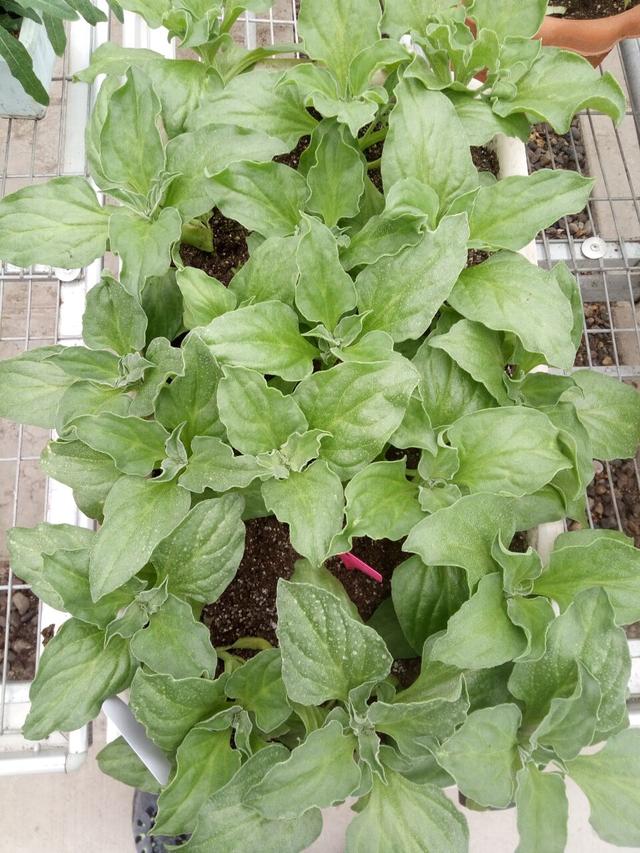
Potted ice plant
Growing potted ice plant
1. Seed selection: Choose dry, plump and glossy seeds produced in the current year.
2. Seedling raising: Use a 50-cell or 72-cell seedling tray filled with peat soil and set aside. Then put the ice plant seeds into the seedling tray, 2-3 seeds per cell, then cover the surface with a layer of vermiculite, place it flat on the seedbed, and spray water thoroughly with a water wheel or garden nozzle, keeping the temperature inside the shed at 20-30°C. After about 3 days the seedlings break through the soil, and after they grow for about 40 days they can be transplanted into pots.
3. Potting: Choose high-quality peat soil rich in organic matter, add fully fermented biological organic fertilizer, mix thoroughly, put it into the prepared pot and water thoroughly, then transplant the grown ice plant seedlings into the pot. Keep 18 plants in a large pot and 8 plants in a small pot. Choose seedlings of similar size to prevent mutual interference among the seedlings caused by differences in size.
4. Care: After potting, first spray the leaves with 5% hymexazol plus 8% Previcur diluted 2500 times to prevent damping-off and seedling blight. After about one week of potting, a balanced Baolifeng foliar fertilizer can be sprayed. Water once about every ten days.
5. Harvesting: About 40 days after potting, once the ice plant seedlings have filled the pot, they can be harvested. They can be harvested all at once, or only the side shoots can be picked for harvesting in multiple rounds, depending on individual circumstances.
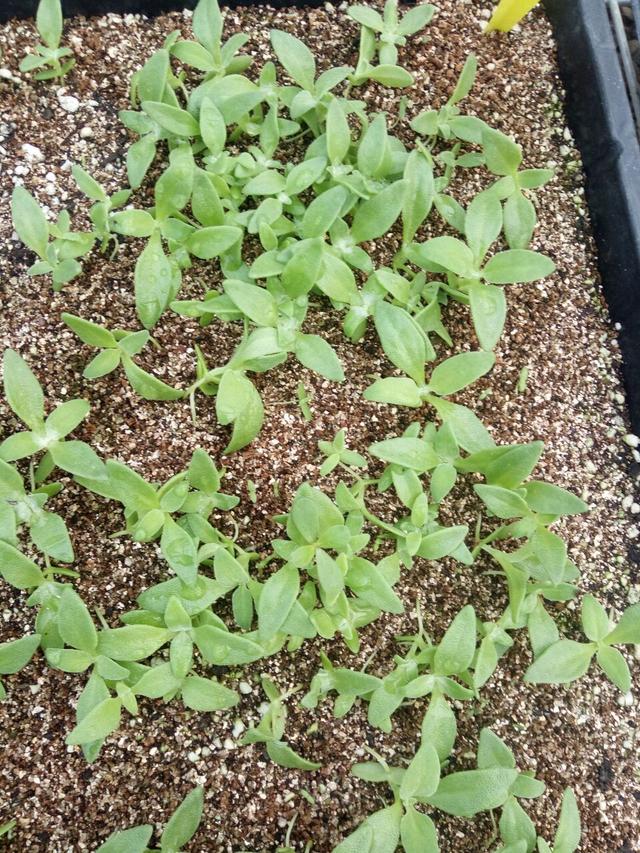
Ice plant seedlings
How to eat ice plant
Ice plant tastes tender with no residue, crisp and refreshing with plenty of juice, which is best experienced by eating it raw. In addition, some restaurants place raw ice plant on ice when plating, making its texture even more refreshingly cool. Besides eating it raw, it can also be blanched in hot water and served as a cold dish, or boiled, stir-fried plainly, or made into soup.
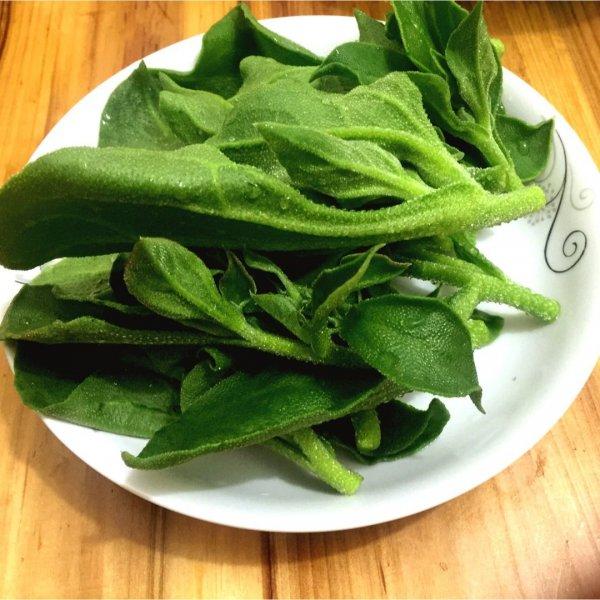
Ice plant
Nutritional value of ice plant
It contains natural malic acid, sodium, potassium, carotene and amino acid anti-aging substances, making it a vegetable with extremely high nutritional value.
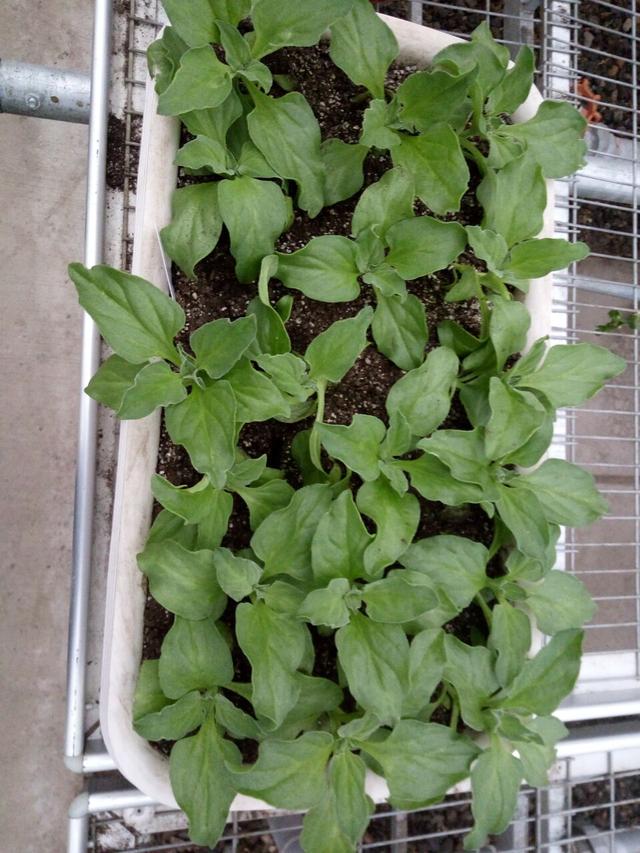
Potted ice plant
Efficacy and effects of ice plant
1. Low sodium: Ice plant contains natural plant salt and is very suitable for middle-aged and elderly people as well as patients with high blood pressure.
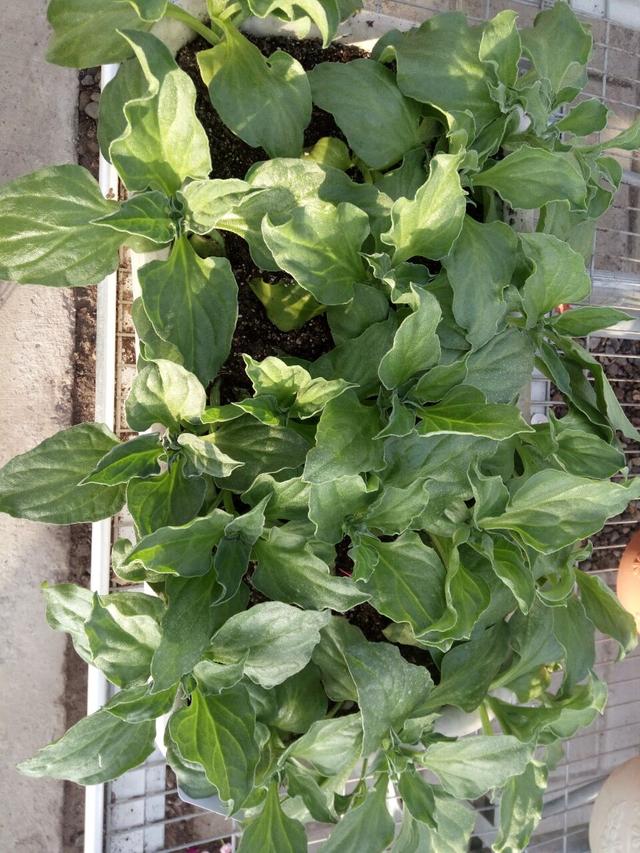
Potted ice plant
2. Preventing diabetes
In addition to containing low-sodium salt, ice plant also contains a variety of amino acids, which can slow down cell aging and strengthen brain cell function. Therefore, mental workers and adolescent students can also eat more ice plant in daily life. In addition, ice plant also contains flavonoids, a natural polyphenolic compound that has the effect of preventing diabetes.