Detailed Guide to Large-Scale Planting Methods for Sunflower Fields
(Original, practical content with many photos)Due to limited space, I will pick one landscape sunflower to focus on introducing its cultivation method, and as usual, briefly introduce the whole process in a text-and-image format.
Landscape sunflowers are an easy-to-grow variety and can be raised as seedlings in containers. The advantages are uniform flowering and strong plants, and they grow relatively fast, but they consume labor and agricultural input costs; they can also be sown directly in the field, saving labor and agricultural input costs, but due to factors such as seed quality, climate, and soil, flowering may be uneven, and there may even be phenomena such as failure to sprout or dead plants. In the early growth stage, the root system is weak, and seedlings may die when encountering high temperatures, so I prefer raising seedlings in containers, but this year we used the direct seeding method.
Key points for the sowing period: a, drawing planning, variety selection, and site clearing; b, deep ploughing the soil twice; c, sunflowers currently do not have particularly obvious continuous cropping resistance with other crops, but soil disinfection is still necessary; d, sunflowers are fertilizer-loving crops, so the base fertilizer should be applied sufficiently; organic fertilizer, solid fertilizer, and powdered fertilizer are all acceptable; e, according to the size of the sunflower plants, the planting spacing ranges from 30cm-50cm, with two to three seeds per hole; f, since sunflowers need 50 days to 60 days from germination to flowering, the sowing period is in the middle and early part of August. The weather is hot, so the main focus is high-temperature sun protection, and non-woven fabric can be used appropriately for covering.
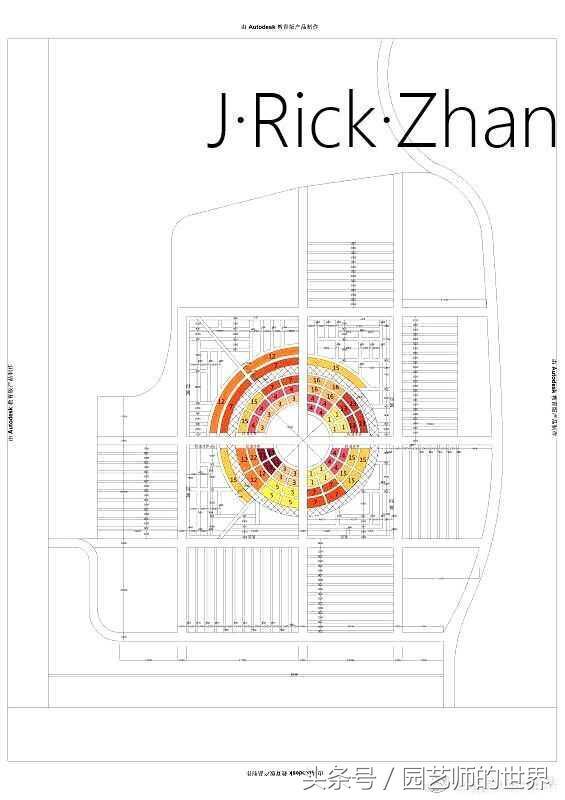
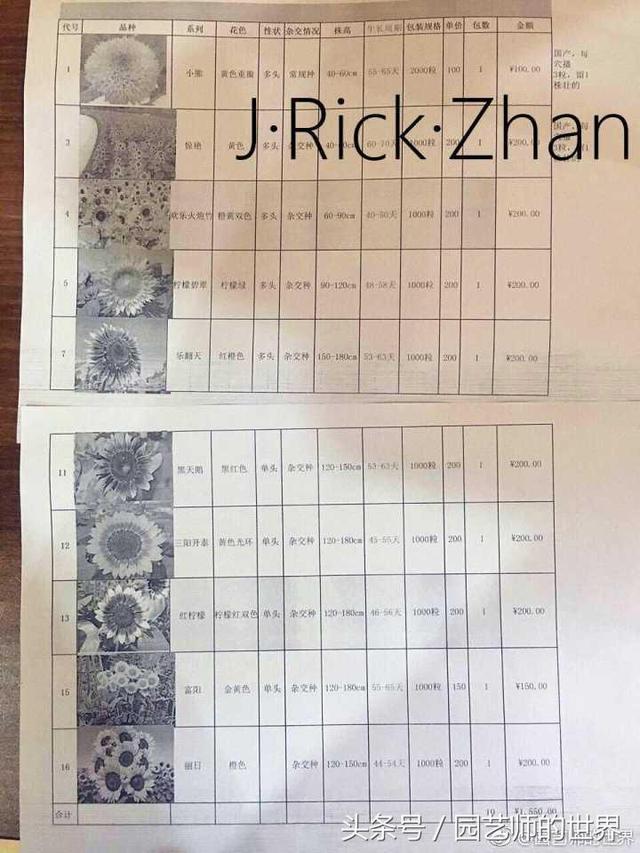
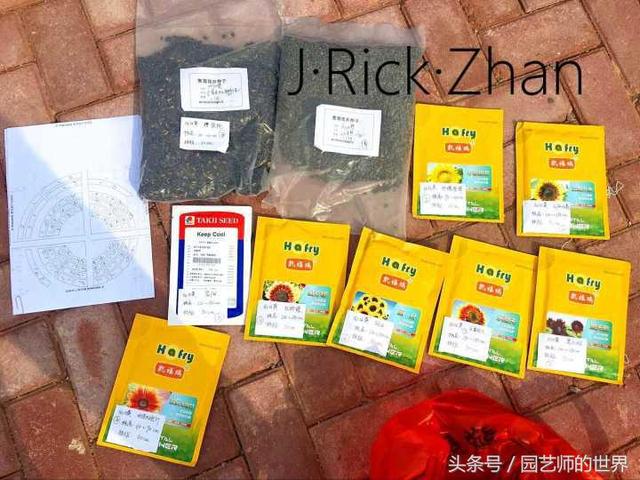
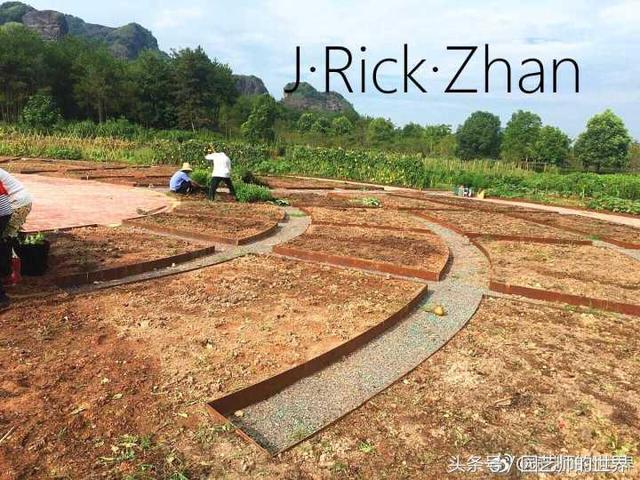
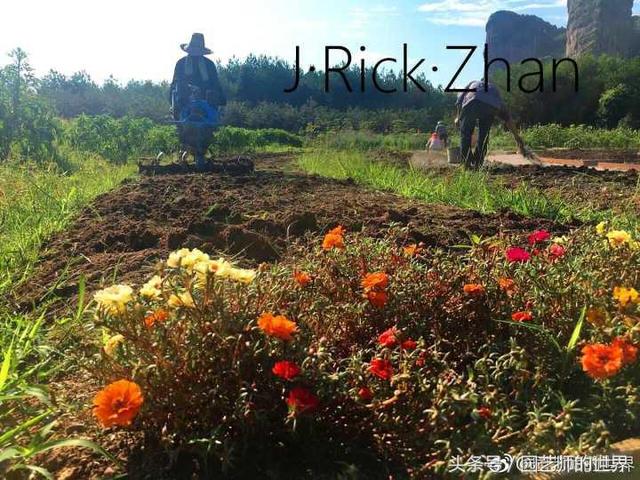
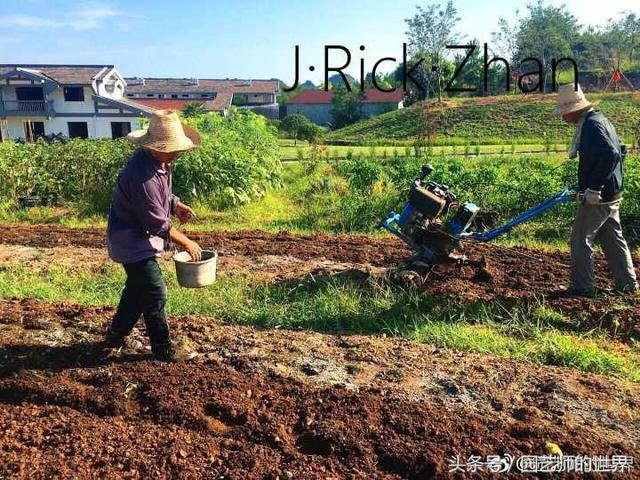
Key points for the growth period: a, pay attention to sun protection and high temperatures; b, for planting holes that have not sprouted, transplant and replant from other holes where two or more have sprouted; c, transplanting can only be done after two true leaves or more; d, cover weak seedlings to prevent them from dying from exposure to strong sun; e, when the plants are 15cm to 20cm, topdressing is needed. Since the root system is shallow, it is not recommended to dig holes and bury fertilizer; it is best to apply fertilizer with water, once every 15 days to 20 days; f, pay attention to pest and disease prevention.
Key points for the blooming period: a, apply water-soluble fertilizer once more before the buds appear; b, promote uniform flowering and vigorous growth; c, before the buds appear, it is recommended to apply hormones once or twice, such as chlormequat, which can extend the flowering period; d, the sunflower flowering period is 20 days to 30 days, and in rainy weather the flowering period will be shorter; e, pay attention to windy weather and tie them up in time to prevent them from being blown over.
You may be more interested in the varieties, so let me introduce some.
1, Ruby Red Square
2, Lotus Rising from Water
3, Fuyang
4, Black Swan
5, Red Lemon
6, Happy Firecracker
7, Golden Boy
8, Stunning
9, Joy Overflowing
10, Rose Romance
11, Lemon Jade Green
12, Bright Sun
13, Three Suns Bring Prosperity
14, Vincent
15, Little Bear
Everyone is welcome to exchange gardening knowledge with me. Once again, please note that when adding me as a friend, please indicate your purpose and personal information, otherwise you may be ignored.
(Note: The text and images are the author's painstaking original work. The images were accumulated and selected by the author over a long period to share with everyone. Please respect copyright.) I like to let everyone see the beauty of gardening growth more intuitively through pictures and videos. Only by truly falling in love with gardening will you truly understand and study gardening techniques. Finally, thank you all for your attention. I wish everyone a happy life and wish you prosperity in business!
————Zhan Jiayong (a minor player on the gardening path)