What is the market prospect for growing wild vegetables in rural areas?
We know that wild vegetables have a pure quality, are a wonderful gift from nature, are pollution-free, nutritious and fresh-tasting, and are one of the finest ingredients. So, what are the prospects for growing wild vegetables in rural areas? Let's find out with Xiao Nongjun!
What are the prospects for growing wild vegetables in rural areas?
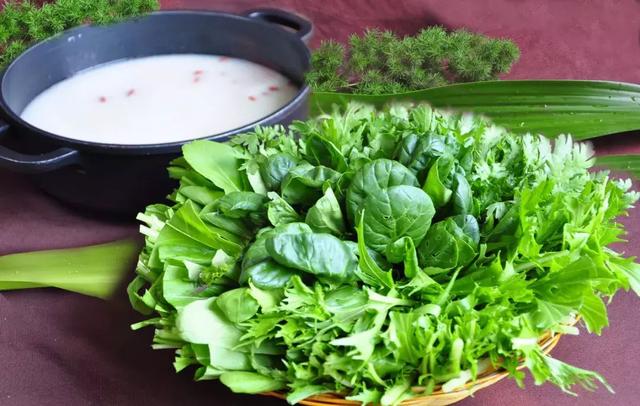
As people's living standards continue to rise, wild vegetables, which once symbolized a life of hardship, are now favored by people. For example, such wild vegetables as jiu xin cai (Sedum kamtschaticum), Artemisia selengensis, shepherd's purse and bitter lettuce are not only hot sellers on city dining tables, but hotels and restaurants often list them as preferred vegetables.
Why are wild vegetables popular?
First, because they are nutritious and can prevent and treat diseases, with relatively good health benefits.
Second, because wild vegetables have relatively strong disease and pest resistance, chemical fertilizers and pesticides are rarely applied during cultivation, which keeps their pollution-free, pure-quality characteristics.
Third, because they cater to the consumer trend of returning to nature that is quietly rising in cities today. Wild vegetables can be directly classified as green, pollution-free vegetables, which both appeals to people's desire to try something fresh and meets people's requirement for "safe-to-eat" vegetables.
What should be noted when growing wild vegetables?
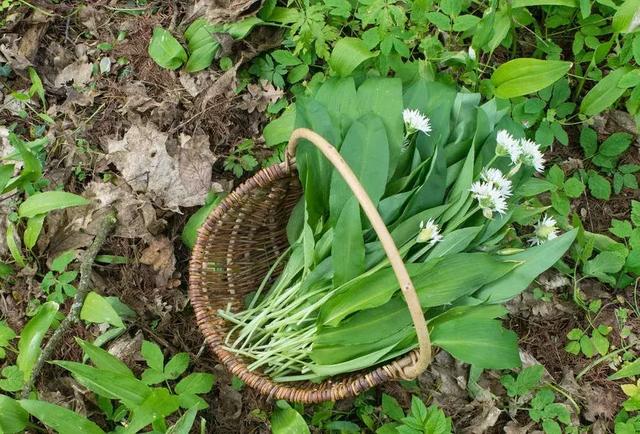
Because the market demand for wild vegetables is relatively large and the economic returns are good, farmers in many places have brought wild vegetables into their own contracted fields for artificial cultivation. Wild vegetable cultivation has now developed from ordinary open-field cultivation to greenhouse and low-tunnel covered cultivation, so that wild vegetables that were originally only available in a short concentrated market period can now be supplied all year round, earlier and later in the season.
First, wild vegetables can be grown all year round, and the method used should be determined according to the season and the characteristics of the wild vegetables. In cold seasons, winter-warm greenhouses can be used; in spring and autumn, arched tunnels or open-field cultivation can be used; in summer, wild vegetables that do not like strong light should be grown under shade netting.
Second, most wild vegetables are harvested for their tender stems and leaves or flower stalks, while some are eaten for their white, plump, tender fleshy roots. Therefore, on the basis of applying enough base fertilizer, the soil should be deeply turned and loosened. Topdressing should mainly be nitrogen fertilizer, combined with foliar spraying of potassium dihydrogen phosphate and urea and zinc sulfate solution, to make the leaves thick and glossy and improve product quality.
Third, most wild vegetables have relatively strong stress resistance and adaptability, with well-developed root systems, but some have well-developed fleshy roots. Therefore, growing wild vegetables is still best in loose, fertile sandy soil, avoiding water accumulation in the field, and ensuring irrigation in drought and drainage in waterlogging.
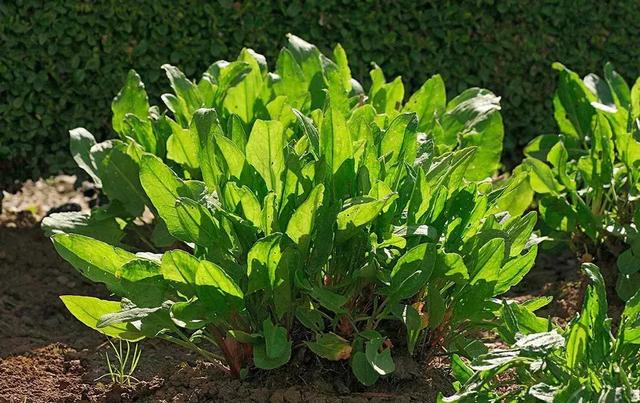
Fourth, do not use pesticides. To ensure that wild vegetables are natural, green and pollution-free, pesticides are generally not applied.
Fifth, wild vegetables are mostly propagated by seed, such as bitter lettuce, shepherd's purse, purslane, lamb's quarters and dandelion. Some wild vegetables have well-developed perennial roots and can be propagated by division, such as goji and mint. Some that belong to the small shrub category can also be propagated by cuttings from one-year-old branches, and treating them with rooting powder gives even better results.
Sixth, you can buy wild vegetable seeds yourself. Scientific research departments have already carried out mass propagation, so you can go and buy them. For example, the Institute of Vegetables and Flowers of the Chinese Academy of Agricultural Sciences has a considerable number of wild vegetable seed sources. For some local wild vegetables that are not yet mass-propagated, you have to collect them yourself from the wild or fields, or propagate them yourself.
Operations staff: Zhao Ying MX007