Growing Cherry Tomatoes on the Balcony: A Detailed Guide to Suitable Planting Times in Northern and Southern China
Cherry tomatoes are both a vegetable and a fruit, and many people are quite fond of them. Today I will share with you how to grow cherry tomatoes on your balcony, along with the specific suitable planting times and temperatures for both northern and southern China.
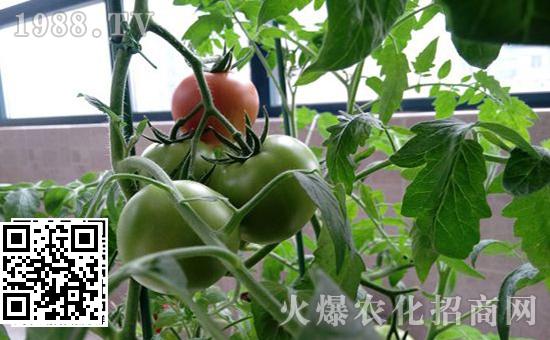
Tomatoes are suited to spring and summer sowing and can be sown from April to July every year. They are annual vine vegetables, and from seedling to flowering takes 3 or 4 months. Generally, after planting, you can harvest the fruit in 4 or 5 months.
I. A Detailed Introduction to Tomato Planting Times
1. Tomato Planting Times in Northeast and Northwest China
This includes the Northeast and Northwest provinces as well as the high-cold areas of northern North China. Spring sowing and autumn harvest with summer cultivation are the main practices, with one crop per year. Sow and raise seedlings in March-April or direct sow in the open field in May, harvest the fruit from July to September, and pull up the vines before the early frost. Tomatoes are mainly grown without trellises.
2. Tomato Planting Times in North China
Mainly the North China Plain. The frost-free period is longer than in the Northeast, and because summers are hot and rainy, tomatoes grown there generally do not easily survive the summer. Sow and raise seedlings in January-February, transplant and set out in late April to early May, harvest in late June, and pull up the vines before early August.
3. Tomato Planting Times in the Middle and Lower Reaches of the Yangtze River
Spring-summer cultivation is the main practice, with a small amount of autumn cultivation. The former is called spring tomatoes and the latter autumn tomatoes.
Spring tomatoes: sow and raise seedlings in November-December, transplant and set out in mid-to-late March of the following year, harvest in late May, and pull up the vines in mid-to-late July.
Autumn tomatoes: raise seedlings or direct sow in July-August, transplant and set out in August to early September, harvest in early October, and pull up the vines in late November.
4. Tomato Planting Times in the Pearl River Basin
Autumn-winter cultivation is the main practice, also known as winter tomatoes. This is because spring is cloudy and rainy with weak light and high humidity; summer is hot and rainy with frequent typhoons; autumn has clear skies with ample light and less rain; and winter is warm.
Sow and raise seedlings in August-September, transplant and set out in September-October, begin harvesting in mid-November, and pull up the vines in late February of the following year.
II. Temperature Requirements for Growing Tomatoes:
Tomatoes grow and develop best in seasons with an average monthly temperature of 20-25°C, and their temperature tolerance range is 10-35°C. The temperature requirements and responses of tomatoes differ at different growth stages.
The *** optimal temperature for seed germination is 28-30°C, the *** minimum is 11°C, and the *** maximum is 35°C. Below 11°C, seeds are very prone to rotting.
The *** optimal daytime temperature for seedling and plant growth is 24-28°C, with a nighttime temperature of 15-18°C. Below 10°C, growth decreases; below 5°C, stems and leaves stop growing; at -1°C to 2°C, they suffer freeze damage.
Summary: Different regions have different planting times to cater to tomatoes' temperature needs for growth. If the temperature during the planting month is unsuitable, for example too hot or too cold (due to the erratic global climate caused by the greenhouse effect), it will likewise be very difficult to grow them successfully.
Teaching You How to Grow Vegetables on a Balcony: Choosing Vegetable Types
When growing vegetables on a balcony, if space allows, most vegetables and melons can be grown on the balcony. The most important factors are the balcony's orientation and whether it is enclosed. Orientation determines the light conditions of the balcony, while whether it is enclosed determines the temperature conditions of the balcony.South-facing balcony
Full sun with ample sunlight and good ventilation makes this the most ideal balcony for growing vegetables. Almost all vegetables grow best under full sun, so generally vegetables can be grown year-round on a south-facing balcony, such as cucumber, bitter melon, tomato, kidney bean, daylily, New Zealand spinach, mustard greens, zucchini, green pepper, lettuce, Chinese chives, and so on.
In addition, aquatic vegetables such as lotus root, water chestnut, and water caltrop are also suitable for growing on a south-facing balcony. In winter, most areas of a south-facing balcony receive direct sunlight, and with a simple insulation setup, this can also create a good environment for producing vegetables in winter.
East-facing and west-facing balconies
With half-day sun, these are suitable for growing sun-loving, shade-tolerant vegetables such as onion, leaf lettuce, baby bok choy, Chinese chives, loofah, cilantro, radish, and so on. However, a west-facing balcony gets very high temperatures during the summer afternoon sun, which can cause sunscald in some vegetables, ranging from leaf drop in mild cases to death in severe cases. Therefore, it is best to plant vining, heat-tolerant vegetables in the corners of the balcony. In summer, you should also try to protect against the strong light and radiation reflected from buildings behind.
North-facing balcony
With almost no sunlight all day, the range of vegetables to choose from is the smallest. You should choose shade-tolerant vegetables to grow, such as lettuce, Chinese chives, asparagus, Chinese toon, dandelion, water spinach, Ceylon spinach, and so on. In summer, you should also try to protect against the strong light and radiation reflected from buildings behind.
Vegetables with Short Growing Periods
Everything in the world that is alive has a growing period. Vegetables are no exception. For balcony vegetable-growing enthusiasts, they are bound to be a bit impatient to eat the vegetables they have grown sooner.
1. Sprouts
Sprouts, also called bean sprouts, are edible "sprout vegetables" cultivated from the seeds of various grains, legumes, and trees. They are also called "living vegetables" and "Ruyi vegetables". Sprouts can reduce lactic acid buildup in the human body and relieve fatigue. They contain an interferon inducer that can induce interferon, increase antibiotics in the body, and boost the body's antiviral and anti-tumor abilities. They are rich in vitamin C, riboflavin, and dietary fiber.
The growth cycle of sprouts is only about a week. However, there are many kinds of sprouts with slightly different growth cycles, so the specifics depend on which kind.
2. Baby Bok Choy
Baby bok choy has a short growing period, taking 45-60 days from sowing to harvest. The harvest time can be determined according to maturity and market demand, and timely harvesting can improve yield and quality.
Baby bok choy should be sown in different seasons, requiring different varieties. For example, when sowing in winter or early spring when temperatures are lower, cold-tolerant varieties that bolt late should be chosen.
3. Green Garlic
Green garlic is generally ready for harvest 60-80 days after sowing. If harvested earlier, the quality is tender and the selling price is high, but the yield is low; if harvested too late, the stems and leaves have more fiber and the quality is poor. The specific harvest standard should be determined according to export and market requirements. Green garlic is best harvested in the early morning or evening.
4. Qingjiang Cai (Bok Choy)
Xiao Tang Cai, Shanghai Qing, and Jiangmen Bok Choy are all other names for Qingjiang Cai. Based on stalk color, it can be further divided into green-stalked bok choy and white-stalked bok choy. Qingjiang Cai looks like a spoon, is bright green in color, and has a very short growing period, taking only about a month from sowing to harvest. It can be found on the market year-round.
5. Leaf Lettuce
Leaf lettuce, also known as Yomai Cai, and called bitter vegetable in some places, belongs to the Asteraceae family. It is a pointed-leaf type leaf lettuce whose product is the tender shoots and tender leaves. The leaves are long and lanceolate, light green in color, crisp and tender in texture, and extremely fresh and tender in taste. The growing period of leaf lettuce is at least about 40 days.
6. Mustard Greens
Mustard greens: also called gai cai, is an ordinary vegetable with large leaves, many wrinkles on the surface, and prominent leaf veins. It is a famous specialty vegetable of China. Generally after autumn sowing, it is harvested in winter or the following spring in the Yangtze River basin and in the Southwest and South China regions, and before frost in the North.
Which Vegetables Are Suitable for Winter Planting
Some vegetables can grow above 5°C and do not have high sunlight requirements, making them very suitable for planting this winter. Now let me introduce which vegetables are suitable for planting in winter.
1. Chinese chives: they can still survive at minus 5°C, can grow above 10°C, and do not have high light requirements, so they are quite suitable for balcony and indoor planting. However, planting here only means growing them from chive roots; if you grow them from seed, I'm afraid you won't be eating chives for at least three months. They can be harvested 4-5 times a year.
2. Small scallions: you can grow them yourself, but be mentally prepared that they will grow very slowly indoors or on a balcony, and will remain as thin as steel needles for a long time. It is better to grow them from scallion roots, which will guarantee you scallions to eat within 20 days.
3. Goji berry: propagated by cuttings.
4. Cilantro: growing it from cilantro roots is several times faster than growing from seed, and it grows more vigorously. It is a cold-tolerant vegetable that prefers cool conditions, with an optimal growing temperature of 12°C-26°C, but it is also fairly heat-tolerant.
5. Celery: grown from roots, celery is cold-tolerant, heat-tolerant, and disease-resistant, grows quickly, and adapts to a wide temperature range. It grows fast and has a strong celery flavor. At the optimal temperature of 15-20°C, it can be grown in multiple crops, and if there is enough potting soil, it can be grown year-round.
6. Garlic sprouts: the simplest and fastest-growing; in 15 days you can definitely eat them.
7. Crown daisy: grown from seed, with an optimal growing temperature of 17-20°C. It is not very strict about light, can tolerate weak light relatively well, prefers moisture, and is not very strict about soil. Therefore, it is very suitable for growing in the North.
8. Ceylon spinach: cuttings work better than planting. The method is very simple: take a thicker, inedible stem section with 2-3 small shoots, insert it into the soil, remember to water it, and it will grow into a big pot!
9. Spinach: heat-tolerant, cold-tolerant, fast-growing, and highly disease-resistant. It is said that eating it will turn you into a strong sailor, but unfortunately I can't become one.
10. Lettuce: heat-tolerant, cold-tolerant, bolt-resistant, and can be grown year-round.
Vegetables that can be grown year-round: garlic, ginger, scallions. Napa cabbage, baby bok choy, spinach, cabbage, cauliflower, and mushrooms can also be grown.
Vegetables Suitable for Sowing Each Month
January
Rapeseed, Siyue Man, spinach, Chinese kale, lettuce, potato, scallion, eggplant, tomato, pepper, taro, cilantro.
February
Siyue Man, spinach, Chinese kale, lettuce, potato, scallion, cilantro, taro gourd, cucumber, green bean, eggplant, tomato, broccoli, pepper, taro, bok choy, radish, cabbage.
March
Siyue Man, spinach, Chinese kale, bok choy, radish, taro gourd, cucumber, green bean, eggplant, tomato, loofah, winter melon, pumpkin, bitter melon, pepper, taro, scallion, cilantro, cowpea, edamame, water spinach, amaranth, cabbage.
April
Bok choy, radish, taro gourd, cucumber, green bean, eggplant, tomato, loofah, winter melon, pumpkin, bitter melon, pepper, taro, scallion, cilantro, cowpea, edamame, water spinach, cabbage, rapeseed, amaranth, Chinese chives, celery.
May
Bok choy, radish, taro gourd, cucumber, green bean, eggplant, tomato, loofah, winter melon, pumpkin, bitter melon, scallion, cilantro, cowpea, edamame, water spinach, rapeseed, amaranth, cabbage, celery, Chinese chives.
June
Water spinach, cabbage, rapeseed, amaranth, Chinese chives, bok choy, cucumber, cowpea, edamame, bitter melon, scallion, radish, celery, cauliflower.
July
Water spinach, cabbage, rapeseed, amaranth, Chinese chives, bok choy, cucumber, cowpea, edamame, bitter melon, scallion, radish, cauliflower, green bean, eggplant, tomato, celery.
August
Water spinach, cabbage, rapeseed, amaranth, Chinese chives, bok choy, cucumber, cowpea, edamame, bitter melon, scallion, radish, cauliflower, green bean, celery, broccoli, pea, jiaomang, carrot, garlic.
September
Water spinach, cabbage, rapeseed, amaranth, Chinese chives, bok choy, spinach, lettuce, scallion, cilantro, green vegetables, broccoli, pea, jiaomang, carrot, garlic, radish, cauliflower, crown daisy.
October
Cabbage, rapeseed, Chinese chives, bok choy, spinach, Chinese kale, lettuce, scallion, cilantro, celery, broccoli, pea, jiaomang, carrot, garlic, radish, cauliflower, crown daisy.
November
Cabbage, rapeseed, Chinese chives, bok choy, spinach, Chinese kale, lettuce, scallion, cilantro, celery, broccoli, pea, jiaomang, carrot, garlic, radish, cauliflower, crown daisy.
December
Cabbage, rapeseed, Chinese chives, bok choy, spinach, Chinese kale, lettuce, scallion, cilantro, celery, broccoli, pea, jiaomang, carrot, garlic, radish, cauliflower, crown daisy, eggplant, tomato, pepper.
Building a farmhouse courtyard together, sharing spring plowing and autumn harvest!
The Ministry of Agriculture's "China Agricultural Information" magazine builds an agricultural information sharing platform for you. You can send real information about cooperation needs such as conferences and exhibitions, talent recruitment, scientific research achievements, land transfer, and contract farming to the editorial department. After the editors review the submissions, they will be pushed on the WeChat platform.
-OA
QQ:2437152290
Mail:[email protected]
Choices for Balcony Vegetable Growing and 29 Methods for Making Homemade Flower Fertilizer for Home Flower Growing
If you haven't followed me yet, please click this image ↑ the blue text to the right of the date above (The Transmission of Love Under the Sun) - to share different information with you!"Picking chrysanthemums by the eastern hedge, I catch sight of the southern mountain in the distance." The pastoral scenery described by the Eastern Jin pastoral poet Tao Yuanming makes many urbanites living among steel and concrete yearn for it endlessly. Although people resist the concrete forest around them, everyone depends on the conveniences brought by the city. Everyone yearns for pastoral life, and even if it is just a tiny patch on their own balcony, rooftop, or terrace, people will always carve out a "private plot" to grow flowers and vegetables, watching these green lives sprout new buds, put out flower buds, and bear fruit - although the process is somewhat hard and long, it is full of a kind of natural, pure joy.
However, there is a certain emphasis and scientific basis in choosing varieties for balcony vegetable growing. In addition to considering the balcony microclimate and personal interests, carefully selecting cultivation varieties to create the most beautiful balcony space and the best benefits is the key to considering and choosing varieties for balcony agriculture.
What Vegetables Should Beginners Choose?
Beginners can choose vegetables that are easy to grow or fast-growing vegetables. For example, Qingjiang Cai and leaf lettuce, these two fast-growing vegetables, can be planted year-round and grow relatively quickly, taking only about five or six weeks to harvest. Bitter melon, scallion, ginger, and others have strong adaptability and a special smell of their own. For this very reason, insects dislike approaching them, and they can grow quite well without pesticides or chemical fertilizers.
Special Varieties for Balcony Agriculture
Vegetables: glass butter lettuce, colorful lettuce, sweet potato tree, leaf lettuce, baby bok choy, potato tomato, perilla, fragrant onion, water celery, purple-backed begonia, bitter lettuce;
Melons and fruits: cherry tomato, netted melon, gift mini watermelon, fruit mini cucumber, kan gua, giant pumpkin, ornamental pumpkin;
Fruit trees: golden-branch grape, red-fleshed kiwifruit, peony pomegranate, nectarine, flat nectarine, large cherry, Bufona, calcium fruit, passion fruit, Cha Ba fruit;
Greening plants: fragrant rose, mini rose, vegetable hibiscus, frangipani, tofu tree;
Flowers: edible lily, edible cactus, edible aloe;
Climbing vines: grape, honeysuckle, jiaogulan;
Medicinal plants: ginseng, yew, schisandra;
Seasonings: seven-color pepper, Chinese chives, scallion, ginger, garlic...
Which Vegetables Are Most Suitable for Growing on a Balcony
① Fast-growing vegetables with short cycles: baby bok choy, green garlic, sprouts, mustard greens, Qingjiang Cai, leaf lettuce;
② Vegetables with long harvest periods: tomato, pepper, Chinese chives, cilantro, cilantro, scallion, etc.;
③ Space-saving vegetables: carrot, radish, lettuce, scallion, ginger, cilantro;
④ Easy-to-grow vegetables: bitter melon, carrot, ginger, scallion, lettuce, baby bok choy;
⑤ Vegetables less prone to pests: scallion, Chinese chives, sweet potato leaves, ginseng herb, aloe, jiao cai...
Choosing Vegetables to Grow According to Orientation and Season
South-facing balcony: a balcony with ample sunlight, generally can grow vegetables year-round, such as cucumber, tomato, kidney bean, green pepper, lettuce, Chinese chives, etc.;
East-facing and west-facing balconies: these balconies get half-day sun and are suitable for growing sun-loving, shade-tolerant vegetables, such as onion, leaf lettuce, baby bok choy, Chinese chives, loofah, etc.;
North-facing balcony: these balconies get almost no sunlight, so you can only choose shade-tolerant vegetables to grow, such as lettuce, Chinese chives, asparagus, Chinese toon, water spinach, Ceylon spinach, etc.;
Spring vegetables: most leafy vegetables can be grown, such as pepper, lettuce, loofah, bitter melon, small scallion, cherry tomato, cherry radish, etc.;
Summer vegetables: summers are hotter, so it is suitable to grow crops with strong regeneration ability and drought and heat tolerance, such as small scallion, garlic sprouts, Chinese chives, etc.;
Autumn and winter vegetables: there are no very high requirements, and some leafy vegetables can be grown, such as lettuce, celery, baby bok choy, celtuce, etc....
29 Methods for Making Homemade Flower Fertilizer for Home Flower Growing
In daily life, many flower-growing enthusiasts often worry about fertilizer for their flowers. In fact, there are many things that can be used as flower fertilizer. Many waste materials, after fermentation with a fermenting agent, become good fertilizer for flower growth. Kitchen scraps can be used to make high-quality flower fertilizer. These homemade fertilizers contain multiple nutrient elements and rich organic matter, have a mild and lasting fertilizing effect, and can also improve the soil, helping the soil form a granular structure and coordinating the air and water in the soil, which is extremely beneficial to the growth and development of flowers. They can both solve environmental problems and add value through use. Good flower fertilizer can make flowers more brilliant and colorful. Using household waste to make top-quality flower fertilizer is both economical and environmentally friendly. These homemade fertilizers are all organic fertilizers, containing multiple nutrient elements needed by flowers and rich organic matter. They have a mild and lasting fertilizing effect and can also improve the soil, helping the soil form a granular structure and coordinating the air and water in the soil, which is extremely beneficial to the growth and development of flowers. Several specific methods are introduced below:
1. Pour the waste oil from the range hood's oil collection box along the edge of the flower pot into the soil. It is suitable as flower fertilizer for hibiscus, jasmine, morning glory, and others.
2. Crush spoiled glucose powder and sprinkle it around the soil in the flower pot. After three days, yellow leaves turn green and growth becomes vigorous. This method is suitable for spider plant, crown of thorns, lucky bamboo, and monstera.
3. Fruit peels and rotten vegetable leaves. Mix them directly into two-thirds sandy soil, or put them into containers such as small buckets, pots, or jars and seal the opening tightly with mud to compost them into humus soil. This can be used directly for planting flowers or applied as a top dressing fertilizer.
4. Chicken and duck feathers, pig bristles, hair, and livestock hooves and horns. Burying them directly into flower pots or soaking and composting them are both very good phosphorus and potassium fertilizers, with a fertilizing effect that can last more than two years.
5. Chinese medicine residue. It is a clean flower fertilizer with high nutrient content. Mixed into the surface of the potting soil, it can improve the potting soil and keep it moist. If soaked and composted into decomposed liquid fertilizer, the effect is even better.
6. Making nitrogen fertilizer. Nitrogen fertilizer is the main fertilizer that promotes the growth of flower roots, stems and leaves. Take moldy and insect-infested beans, peanuts, sunflower seeds and castor beans that can no longer be eaten, leftover vegetable leaves, bean shells, melon and fruit peels, or pigeon manure and expired spoiled milk powder, crush them and boil them soft, put them in a small jar, fill it with water, then seal it up to ferment and decompose (if conditions allow, sprinkle in some insecticide). To speed up decomposition, place it in sunlight to raise the temperature. When all these materials in the jar have sunk, the water has turned black and there is no bad smell (about 3-6 months), it means fermentation and decomposition are complete. In summer, after 10 days you can take out the upper layer of liquid fertilizer and dilute it with water for use; it can be used as a top dressing or directly as a base fertilizer. After use, immediately refill with water and compost again. The residue of the raw materials can be mixed into the flower soil.
7. Making phosphorus fertilizer. Put sheep horns, pig trotters, bones, fish intestines and stomachs, poultry manure, fish intestines and stomachs, meat bones, fish bones, fish scales, crab shells, shrimp shells, hair, nails, livestock hooves and horns, and miscellaneous bones into a vat, add an appropriate amount of Jinbaobei starter (anaerobic type), then add a small amount of water, keep the humidity at 60%-70%, seal it, and after a period of rotting and fermentation it can be mixed with water for use. It is a very good base fertilizer for potted flowers. If it is further soaked and fermented, it becomes a flower fertilizer rich in phosphorus. These are phosphorus-rich miscellaneous materials; after crushing them and stirring them evenly into the flower soil, or putting them in a container to ferment, they become an ideal phosphorus fertilizer. Used diluted with water to water flowers, it will make the flowers brightly colored and glossy and the fruits plump. The fertilizer effect can last more than 2 years.
8. Eggshell flower fertilizer: Wash the egg white from inside the eggshells, dry them in the sun, crush them, then put them in a grinding bowl and grind them into powder. Mix and stir evenly at a ratio of 1 part eggshell powder to 3 parts potting soil, then use it for potting and cultivating flowers. It is also a long-acting phosphorus fertilizer. Generally, during the watering process after planting, the effective ingredients will leach out and be absorbed and used by the growing flowers. After eggshell powder is used in planting flowers, the flowers bloom large and brightly colored, and the fruits are large and plump. It is a completely organic phosphorus fertilizer.
9. Making potassium fertilizer. Leftover tea water, rice-washing water and swill (best to apply after fermenting with Jinbaobei starter) and plant ash water, water from rinsing milk bottles, etc. are all excellent potassium fertilizers and can be used directly to water flowers. They all contain certain nutrients such as nitrogen, phosphorus and potassium. Used to irrigate flowers and trees, they can not only maintain soil moisture but also add nitrogen fertilizer nutrients to plants, and can promote well-developed root systems and lush branches and leaves. They can be used directly to water flowers. Plant ash also contains potassium fertilizer and can be used as a base fertilizer. Potassium fertilizer has a significant effect on improving the lodging resistance of flowers and their ability to resist diseases and insect pests.
10. Making a complete compound fertilizer. Put the bones left after eating pork ribs, lamb ribs, beef ribs, etc. into a pressure cooker, steam them over heat for 30 minutes, then crush them into powder. Mix evenly at a ratio of 1 part bone crumbs to 3 parts river sand, use as a base fertilizer for flowers, spread it 3 cm at the bottom of the flower pot, cover with a layer of soil, and then plant the flowers. This bone crumb is a complete compound fertilizer fully containing nitrogen, phosphorus and potassium, which is beneficial to the growth and flowering of flowers.
11. Making nitrogen fertilizer: Boil edible rapeseed cake, peanuts, beans or bean cake, rapeseed cake, sauce residue, etc. until soft and store them in a jar, add an appropriate amount of Jinbaobei starter (anaerobic type), then pour in a small amount of water, keeping the humidity at 60%-70%. Seal and compost for about one week, then take out the fertilizer liquid and dilute it with water for use.
12. Nitrogen-phosphorus compound fertilizer. Take 0.5 kg of ammonium bicarbonate, 0.15 kg of potassium chloride, 0.025 kg of zinc sulfate, 2.5 kg of human feces and urine, 1 kg of cow feces and urine (or 5 kg of pig feces and urine), and 20 kg of fine red stone bone powder. Divide each into 5 equal portions, then spread a layer of fine red stone bone powder (4 kg), sprinkle the other fertilizers on top, pat firmly with a wooden board, and finally cover and seal with straw or plastic film. After 20-25 days it becomes a nitrogen-phosphorus compound fertilizer.
13. Humic acid ammonium phosphate. Take 1 kg of decomposed biogas residue, add 0.05 kg of phosphate rock powder, mix and stir evenly, then pile it up, coat the outside with a 3-5 cm thick layer of thin mud mixed with cow dung, then sprinkle a layer of fine soil on top, and seal for 40 days to make humic acid phosphorus fertilizer. Then turn the humic acid phosphorus fertilizer pile and break it up fine, pile it up again and coat it with thin mud, then make holes from around the top of the pile into the pile, then inject ammonia water at a ratio of 0.05 kg per 1 kg of humic acid phosphorus fertilizer, and at the same time seal the holes tightly with mud. After 8-10 days, when there is no smell outside the holes, it is successful. This compound fertilizer used as a base fertilizer has an obvious effect.
14. For homemade flower fertilizer at home, when applying it you must grasp the principle of "thin fertilizer, light application", dilute it appropriately, apply it in the right amount, and never apply it in excess. When composting fertilizer, you must wait until the fertilizer liquid soaked out from inside has turned black and is fully decomposed before pouring it out and diluting it with water (about 9 parts water to 1 part fertilizer liquid) for application. Raw fertilizer must not be used.
15. Green manure: Take a small amount of bone meal and plant ash and put them into a vat or jar, soak them in 2.5 kg of clear water, add 1 kg of vegetable leaves or tree leaves or green grass, and after 20-30 days of decomposition, scoop out the residue and it is ready for use. Later, add more vegetable leaves and water, and the composted fertilizer liquid can still continue to be used. This fertilizer liquid has high fertilizer effect and quick results. Tofu residue: Put tofu residue into a vat, add water and ferment for 7-10 days, then add 3/4 clear water and stir evenly, and use it to water potted flowers; the effect is quick. Chinese medicine residue: Put Chinese medicine residue into a jar or bowl, mix in soil, then add some water, compost for a period, and after the medicine residue becomes humus, cover with a layer of soil and it is ready. This fertilizer has the characteristics of promoting growth, strengthening stems and leaves, and good flowering. Castor seeds: Crush fresh castor seeds and bury them in the potting soil, letting the flowers absorb them naturally. Apply once every six months, and no other fertilizer needs to be applied. This fertilizer is used in small amounts and has a long effective period. It is clean and hygienic, and can be applied to flowers such as Chinese roses, jasmine, and Aglaia odorata, and can also be used as a base fertilizer. Snails: Take 0.5 kg of snails, crush them and put them into a jar or bowl, add 2.5 kg of water, and seal the mouth of the jar (bowl). Seal for half a month in summer and one month in winter. Open the seal, stir evenly, and pour it into the flower pot to soak the potting soil thoroughly; the effect can be seen in one week. Bone meal: Soak leftover livestock bones, poultry bones, fish bones, etc. in water for a day and a night, wash off the salt, put them in a pressure cooker and steam for 20 minutes, then take them out and crush them into bone meal. After the bone meal is decomposed, mix in half sandy garden soil, and it becomes a complete nutritional base fertilizer. Chicken manure: Chicken manure contains relatively more trace elements and B vitamins. Used as a base fertilizer, its fertility does not decline for one year; used as a top dressing, its effective period is as long as 2-3 months. Flowers applied with chicken manure grow vigorously, have large flower shapes, and long flowering periods. Eggshells, miscellaneous bones, fish scales, etc.: After being soaked and fermented, they can become a nutrient rich in phosphorus. Used as a top dressing, it can make flower colors bright. Feathers or pig hair, etc. can be directly buried in the soil at the edge of the flower pot, or soaked and composted into phosphorus fertilizer, and their fertilizer effect can last as long as 2 years.
16. The picked vegetable leaves, leftover fruit peels, as well as waste materials such as fish heads and chicken feathers, can be buried in a pit dug in the garden, one layer of waste material and one layer of soil, then watered thoroughly once, then covered with soil and covered with plastic film. After half a year of decomposition and fermentation, after various microbial communities have successively reproduced, dig it out and store it sealed in plastic bags for later use. When using, mix 1 part of the decomposed organic fertilizer with 3 parts garden soil evenly and then plant flowers and trees; the effect is very good.
17. Nitrogen, phosphorus and potassium at home: During their growth period, flowers need large amounts of nitrogen, phosphorus and potassium. Nitrogen fertilizer is the main fertilizer that promotes the growth of flower roots, stems and leaves. Rotten beans, sunflower seeds, peanuts, etc., after fermentation, poured into the soil for growing flowers, are very good nitrogen fertilizer. Fish bones, eggshells, bones, etc. are all common phosphorus fertilizers in daily life. Rice-washing water, leftover tea water, etc. are very good potassium fertilizers in daily life. When taking Chinese medicine, the leftover residue from decocting the medicine is an excellent fertilizer for growing flowers. This is because the elements needed for the growth of flowers and plants, such as nitrogen, phosphorus and potassium, are almost all present in Chinese medicine. Put the leftover Chinese medicine residue into a vat or a somewhat larger container, mix in some fresh soil, then pour in some water, compost for a period, and after the medicine residue rots and becomes humus soil, it can be applied. Generally it is placed in the middle of the flower pot, and the effect is better. Scallion peel is useful: When eating scallions at home, collect the peeled scallion skins and soak them for a few days, and they become a good flower fertilizer containing multiple trace elements. The method is very easy: cut one or two liang of scallion skins into one-cun sections, then soak them in 10 jin of hot water at about 40°C to 45°C. After soaking for one week, the scallion skin juice can be used as flower fertilizer. Fruit can also nourish flowers: Leftover apple cores, peeled fruit skins, and tomato stems, chopped with a knife and buried in the flower pot, make the flowers bloom more brightly. Eggshells should not be discarded: Eggshells not only are full of organic phosphorus, but also rich in trace elements such as calcium, iron, zinc and magnesium. First wash the egg white from inside the eggshells, then dry them in the sun, crush them, then put them in a grinding bowl and grind them into powder, and they are ready for use. They can be used as a base fertilizer, that is, when potting, take a small amount of eggshell powder and mix it into the soil, or 2-3 weeks before flowering or fruiting, open a trench and bury it in the soil. Waste water used at home: Rice-washing water contains protein, starch, vitamins, etc. Used to water flowers, it will make the flowers more luxuriant. Water from washing milk bags and washing fish and meat can promote lush leaves and abundant flowers in flowers and trees. Water from boiling eggs, after cooling, used to water flowers, makes the flowers grow vigorously, the flower colors more brilliant, and the flowering period longer. The waste water changed from an aquarium for raising fish, used to water flowers, can increase soil nutrients and promote flower growth.
18. Chinese medicine residue is a good flower fertilizer. The leftover residue after decocting Chinese medicine is a very good fertilizer for growing flowers. This is because Chinese medicine is mostly made up of the roots, stems, leaves, flowers, fruits and bark of plants, as well as the limbs, organs and shells of poultry and animals, and some minerals, and is rich in organic and inorganic substances. The nitrogen, phosphorus and potassium fertilizers needed for plant growth are all present in Chinese medicine. Using Chinese medicine residue as fertilizer has many benefits for planting flowers and trees, and can also improve the permeability of the soil.
If you want to use Chinese medicine residue as flower fertilizer, you must first put the Chinese medicine residue into a vat, bowl or other container, mix in garden soil, then add some water, compost for a period, and use it only after the medicine residue rots and becomes humus. Generally, the medicine residue is put into the pot as a base fertilizer, and it can also be directly mixed into the cultivation soil. Of course, medicine residue fertilizer should not be added too much; generally the mixing ratio should not exceed one tenth, since too much will instead affect the growth of flowers and trees.
19. When cultivating southern flowers in the north, mixing an appropriate amount of edible vinegar into the water when watering the potting soil can promote the absorption of trace elements such as phosphorus and iron and prevent yellowing of branches and leaves.
20. Spraying leaves and flower buds with about 40% vinegar solution can increase the accumulation of photosynthetic products, enlarge the flowers, make the leaves more verdant, and make the flowers more colorful. 3. Potted flowers that have been applied with organic fertilizer will have a fishy smell when placed indoors. If an appropriate amount of vinegar liquid is poured in, it can not only eliminate the odor but also sterilize and disinfect the soil. 4. Wiping flower leaves with a cotton ball dipped in some edible vinegar can make scale insects, red spiders, aphids, etc. restless, and then they can be swept off and eliminated. 5. If phytotoxicity occurs when spraying alkaline drugs (lime sulfur mixture, Tuzet, thiram, etc.), spraying an appropriate amount of vinegar solution on the branches and leaves can reduce the phytotoxicity. 6. When preparing or applying alkaline drugs, washing hands and rinsing utensils with vinegar water can remove residual medicine and play a disinfecting role.
21. Homemade acidic soil
The acidic potting soil needed for growing southern flowers in the north can be made at home. In autumn, collect pine needles, willow leaves and poplar leaves, put them alone or mixed into a large flower pot or black plastic bag, one layer of leaves and one layer of peat soil or garden soil, then add a little ferrous sulfate or ferric citrate, soak with enough water, then cover and press firmly. After one autumn and winter of fermentation, acidic soil is made; for Aglaia odorata, gardenia, osmanthus, four-season primrose, four-season begonia, cineraria, cyclamen, etc., willow leaf fertilizer is the most suitable. In ordinary maintenance, a mixed liquid of ferrous sulfate, ferric citrate and water can also be used as a supplement. In spring, prepare it at a ratio of 12:6:100, and in summer at a ratio of 6:4:100, then put it into a soft plastic bottle, bury the bottle upside down in the soil, and twist the bottle cap to the point of slight leakage, so that the fertilizer liquid slowly seeps into the soil.
22. Tofu residue as fertilizer is good for growing flowers. Tofu residue is a superior fertilizer and is not alkaline. Although it is the residue after grinding and extracting juice, it still contains a considerable part of protein, multiple vitamins and carbohydrates, etc., and after artificial treatment, it is most suitable for the growth of flower seedlings. The method of making homemade tofu residue fertilizer is to put the tofu residue into a vat, add 10 times clear water and ferment it (about 10 days in summer, about 20 days in spring and autumn). Then add 10 times clear water, mix evenly, and use it to water various potted flowers; the effect is indeed quite good. Especially when used to water cactus-family flowers such as epiphyllum, Aporocactus flagelliformis, Christmas cactus, Euphorbia neriifolia, cactus, and Mammillaria, the effect is even better.
23. Homemade fertilizer for growing flowers
Spoiled glucose powder is a good flower fertilizer. Crush a small amount of spoiled glucose powder and mix it with clear water at 1:100, then use it to water flowers and trees; it can promote yellow leaves of flowers and trees to turn green and make their growth luxuriant. It is suitable for spider plant, crown of thorns, Rohdea japonica, Monstera deliciosa, etc.
Rice-washing water and rotten tomatoes fermented to make flower fertilizer. Put rice-washing water and rotten tomatoes in one container, and after fermentation use them to water flowers and trees, which will make the branches and leaves luxuriant.
24. Use baking soda solution to water flowers. When growing flowers at home, when the flowers are about to bloom, watering them with a baking soda solution at a concentration of one ten-thousandth will promote abundant flowering. Use settled rice-washing water to promote the growth of moss on bonsai rocks. Place the rock bonsai in a shaded and humid place, and every day use settled rice-washing water to water the places where moss is needed. Generally, in 15-20 days, green moss can grow.
25. Beer is also a good flower fertilizer
Beer has a good effect on growing flowers because beer contains a large amount of carbon dioxide, and carbon dioxide is an indispensable substance for the metabolism of various plants and flowers. In addition, beer contains nutrients such as sugar, protein, amino acids and phosphate, which are beneficial to flower growth.
26. Watering flowers. Watering flowers with an appropriate amount of beer can make the flowers grow vigorously, with green leaves and bright flowers. It can not only let the flowers obtain sufficient nutrients, but also be absorbed especially quickly. The specific method is to mix beer and water evenly at a ratio of 1:50 and then use it.
2. Spraying leaves. After mixing water and beer evenly at a ratio of 1:10, spray the leaves, and the effect of foliar fertilization can also be achieved.
27. Wiping leaves with beer. For foliage flowers and trees, use absorbent cotton or a clean soft cloth dipped in beer to gently wipe the leaves. Because the leaves can directly absorb nutrients, the leaves of the flowers become more emerald green and glossy, and at the same time the texture of the leaves also appears thicker.
28. For cut flowers. Pour 1/10 beer into a vase, and it can make the cut flowers more radiant and charming, and can extend the viewing time by several days.
29. How to compost sesame paste residue and cake fertilizer
Usually, we call the residue after pressing oil from peanuts, sunflower seeds, sesame and soybeans oil cake and sesame paste residue respectively. They are all nutrient-rich feed and also good raw materials for composting high-efficiency organic fertilizer. The general process of composting liquid fertilizer is as follows: Crush the sesame paste residue or bean cake, put it in a vat, add 10 times the amount of water, stir evenly, then cover tightly. In summer, it can ferment in more than half a month and soak into a decomposed paste-like fermented substance. When using, add water according to the amount used to dilute 20-50 times, stir carefully and evenly, and then a dark tea-colored superior organic liquid fertilizer is made. To compost and apply sesame paste residue and bean cake liquid fertilizer, the following points must be achieved: First, the liquid fertilizer applied must be fully decomposed; Second, the stock solution of sesame paste residue or cake after soaking and fermenting to decomposition must be diluted with water in a certain proportion to lower the concentration before it can be poured on flowers and trees. It is also advisable to apply it in multiple small amounts; Third, because sesame paste residue or cake fertilizer is a quick-acting fertilizer with high fertilizer effect, avoid pouring the liquid fertilizer on the branches, leaves, flowers and fruits of flowers and trees. If it is accidentally poured on them, promptly rinse it off with clear water.
[Old friends] Follow to receive wonderful articles for free
Good things should be shared, and it may also help others. Success requires expanding your circle -> (Moments).
Click the [upper right corner??? ] "Share to Moments" icon.
Text and images from the internet