Wash vegetables and fruit with pesticide residue like this - the new method uses unexpected materials
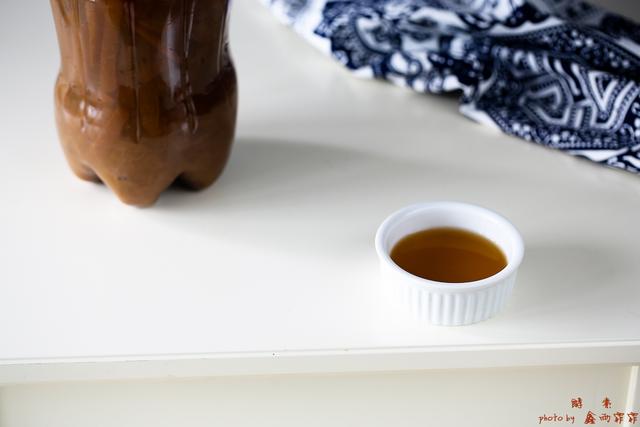
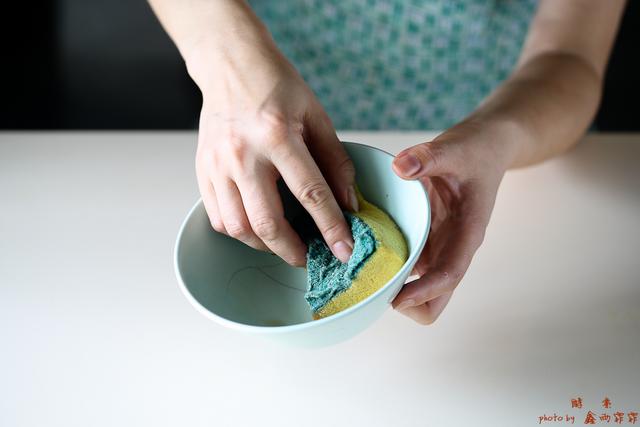
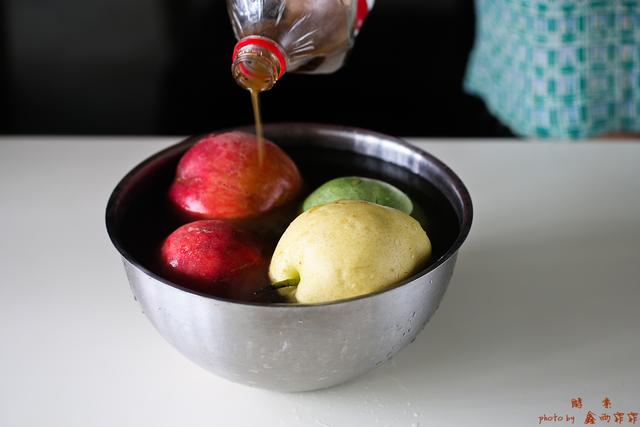
These past few days on TV, it was exposed that dish soap can't be rinsed off cleanly when washing dishes and is harmful to the body. I'm sharing with everyone the homemade all-purpose water my family has used for many years.
The all-purpose water is enzyme liquid, a good thing I discovered by accident. Enzyme liquid is the colloquial name; what actually does the work is enzymes. Enzymes are proteins that catalyze specific chemical reactions. There are many kinds of enzymes, and different enzymes have different functions.
Enzyme liquid is part of my daily life. I drink a cup on an empty stomach in the morning to detox, and I use it for washing dishes and laundry. If the drain is greasy and clogged, I pour a bucket down, and after a night of decomposition, the pipe is unclogged in the morning. If a pot is accidentally burned, soaking it with enzyme liquid makes it easy to wipe clean.
The enzymes contained in the enzyme liquid used for washing clothes and dishes have a cleaning effect. Many laundry powders now have enzymes added.
Benefits of using enzyme liquid for dishes: washes clean, doesn't harm hands, no pollution.
The method for making enzyme liquid is very simple: use leftover melon and fruit scraps and other ingredients, add sugar, and seal to ferment.
Thai enzyme expert Dr. Rosukon Poompanvong, who has studied enzymes for 38 years, gives the golden ratio for making fruit enzyme as 1 (sugar): 3 (fruit): 10 (water), fermented for at least three months. During the first month, release the gas every day. In the first month you will smell alcohol, in the second month you will smell sourness, and only in the third month is it enzyme. It is best to use brown sugar.
Regarding long fermentation at room temperature, will the fruit rot? At first I had this worry too. XF explained to me that rotting easily happens in an aerobic environment, while sealed fermentation is an anaerobic environment, in which the anaerobic bacteria use sugar as a carbon source, similar to the principle of making alcohol. I didn't quite understand too much of it, but in any case, drinking enzyme is not the same as getting diarrhea from eating spoiled food.
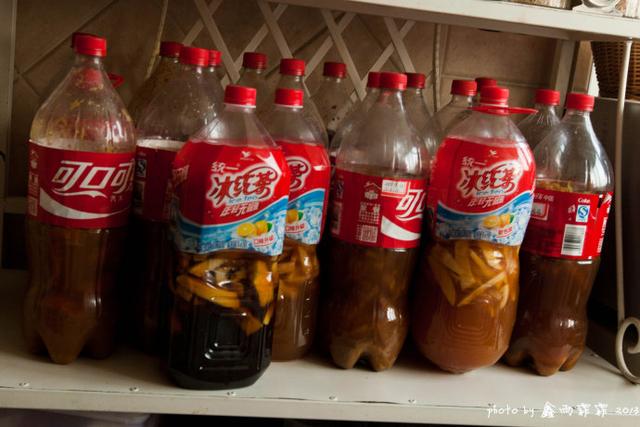 This is one I made before; I didn't take process photos, so to demonstrate for everyone, I'll show it again using a small amount of ingredients.
Brown sugar + fruit peel and fruit residue + water
Ratio: the ratio of brown sugar, fruit residue and fruit peel, and water is 1:3:10.
Ingredients: brown sugar, fruit peel and fruit residue (harder peels such as longan, lychee, and durian are harder to decompose and are not recommended), water.
Utensils: a wide-mouth plastic bottle or jar
Method: 1. Weigh each material. For the fruit peel I used melon peel.
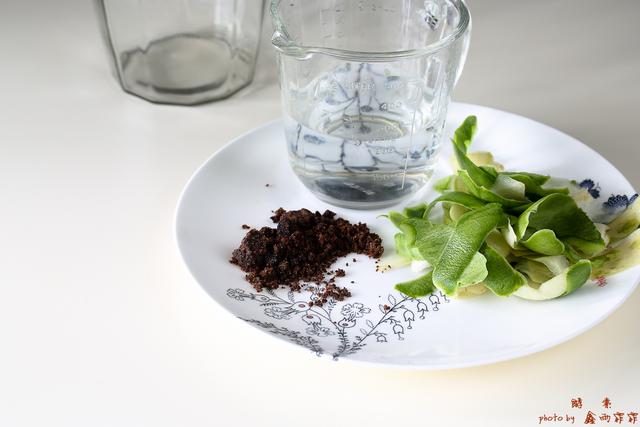
2. Put the fruit peel into the bottle.
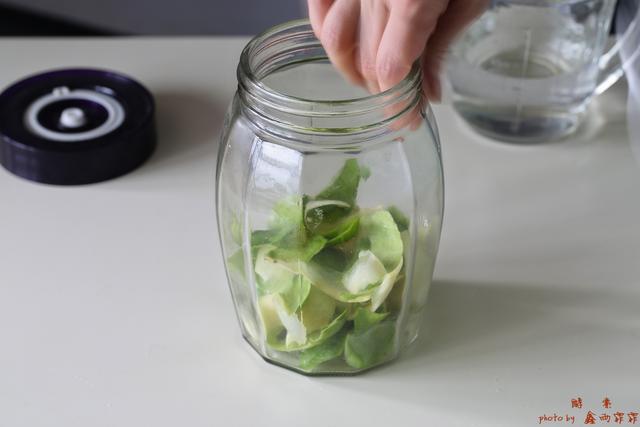
3. Add the brown sugar.
3. Pour in the water.
4. Stir a little, cover, and seal.
This kind is a bottle specially made to release gas
1. Place the enzyme container in a cool, ventilated place.
2. Ferment for at least three months. Bubbles will form in the early stage. For a small-mouth container, you must loosen the bottle/bucket lid every day to release the gas, and stir from time to time so that the scraps floating on the surface can be submerged in the liquid.
3. The enzyme liquid should be brownish-yellow with a sharp orange-like smell. If the liquid turns black, it means fermentation failed; just add the same ratio of brown sugar and stir evenly.!
4. After brewing, the enzyme residue can be left at the bottom of the container and used again with the next batch of fresh scraps to brew enzyme, or dried in the sun and buried in the soil as fertilizer.
5. Eco-enzyme does not expire; the longer it sits, the mellower it becomes. Enzyme fermented for 6 months or more is best. The longer the fermentation period, the smaller the molecules inside. When the molecules are smaller, the penetrating power is stronger and the effect is better.
6. Fruits with high sweetness produce especially abundant gas. Use a plastic bottle, as it is less likely to explode. All the ingredients together should make up 80% of the container, leaving some fermentation space!
For a 2-liter bottle, my ratio is sugar 125 g: fruit 375 g: water 1250 g
Sophora flower enzyme
There are especially many uses for enzyme. It can be diluted for washing dishes, washing clothes, and washing hair.
1. In Taiwan, China, enzyme is used in planting; crops grow especially tall and yields are large. I use it for growing flowers at home.
2. It is used in aquaculture. I add a little enzyme to my fish tank.
3. Some use the white film as a face mask; skin becomes smooth and flesh tender.
4. It can be used to wash dishes (remove oil), wash the face and body, wash clothes (soaking and washing has a bleaching effect), and clean vegetables and fruit (it can break down pesticide on fruits and vegetables). During washing, it can protect our hands from harm by chemicals.
5. Used to clean the toilet, it can clean the tiny areas of ceramic basins. With long-term use, it can eliminate deposits in the pipes and keep the toilet unclogged.
A clever trick for paper-thin stuffed pancakes. Three tricks keep the chives from releasing water, and you choose whether the skin is soft or crisp!
She, who had uterine fibroids, became radiant again because of this. Health turns out not to be so hard.
This is the health-preserving secret recipe of the miraculous doctor Li Shizhen. The materials are easy to get, many people don't know about it, and all throw them away.
It is the king of mountain delicacies, lowers blood pressure and blood lipids, and delays aging. Some people think it can't be eaten and throw it away!
The wild vegetable picked from the countryside is worth more than gold in July. It's a pity not to eat it this month. It nourishes the blood and brightens the eyes!
Welcome to subscribe and follow:
Sina Weibo: @Xinyu Feifei
Sina Blog: http://blog.sina.com.cn/eehelen278
WeChat public account: XYFF668