Can chemical fertilizers and pesticides be mixed? Finally figured it out this time
Many farmer friends often ask, in agricultural production, sometimes they want to mix pesticides and fertilizers together before applying, but they don't know whether mixing will affect the effect. Can pesticides and chemical fertilizers actually be mixed together? This depends on the characteristics of the pesticides and fertilizers. Some can be mixed, and the effect will be enhanced after mixing. Some cannot be mixed, and mixing will reduce the application effect, or even cause the product to deteriorate. Below, let's talk about it in detail.
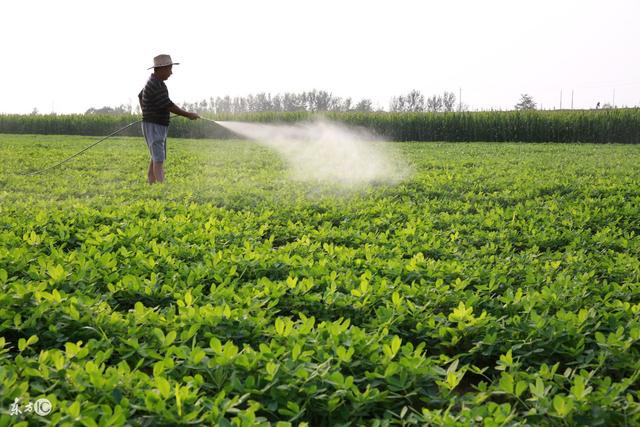
What to pay attention to when mixing pesticides and chemical fertilizers
Solid pesticides and chemical fertilizers can generally be mixed directly. For solid-liquid mixing or liquid-liquid mixing, the possible changes after mixing should first be considered. After mixing, the application time and fertilization depth must take into account the full exertion of fertilizer efficiency and pesticide efficacy. When the pesticide-fertilizer mixture is used as a base fertilizer, it should be applied shallowly. After fertilizers and pesticides are mixed, because fertilization requirements and the requirements of pesticides for disease prevention, pest control and weed killing often cannot be completely unified, at present pesticides using chemical fertilizers as carriers are mainly various herbicides, with fewer insecticides, and even fewer fungicides.
1. Alkaline pesticides such as Bordeaux mixture, lime sulfur mixture, rosin mixture, etc. cannot be mixed with ammonium nitrogen fertilizers such as ammonium carbonate, ammonium sulfate, ammonium nitrate, ammonium chloride, or with superphosphate, so as to avoid ammonia volatilization or precipitation, thereby reducing fertilizer efficiency.
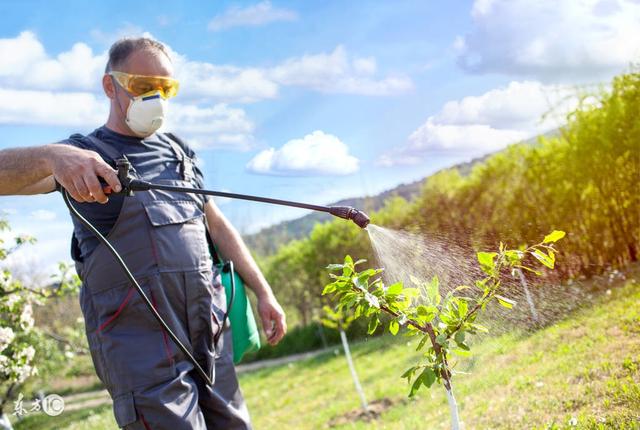
2. Alkaline chemical fertilizers such as ammonia water, lime, plant ash, etc. cannot be mixed with pesticides such as metolcarb, thiophanate-methyl, jinggangmycin, carbendazim, isoprocarb, and pyrethroid insecticides, otherwise the pesticide efficacy will be reduced. This is because most organophosphorus pesticides are prone to decomposition and failure under alkaline conditions.
3. Chemical fertilizers cannot be mixed with microbial pesticides, because chemical fertilizers are highly volatile and corrosive. If mixed with microbial pesticides such as Bacillus thuringiensis and Bacillus cereus, they can easily kill microorganisms and reduce control effects.
4. Arsenic-containing pesticides cannot be mixed with potassium salts, sodium salts, etc. For example, if calcium arsenate, aluminum arsenate, etc. are mixed with potassium salt or sodium salt fertilizers, soluble arsenic will be produced, thereby causing phytotoxicity. In all fertilizer-pesticide mixed uses, chemical fertilizers mixed with herbicides are the most common, followed by insecticides, while fungicides are fewer.
5. Plant growth regulators mixed with fertilizers, especially sodium nitrophenolate, Panshibao, etc., have significant effects. For example, triacontanol mixed with urea, potassium dihydrogen phosphate, ammonium molybdate, borax, etc.
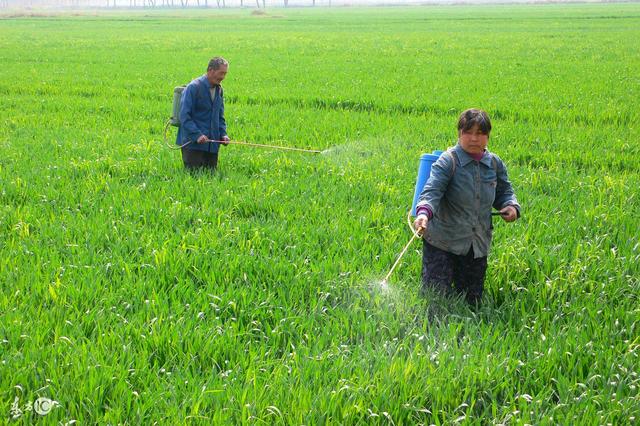
Precautions for mixing plant growth regulators with pesticides and chemical fertilizers
For whether plant growth regulators can be mixed with other pesticides and chemical fertilizers, the simplest method is to put the agricultural plant growth regulator and the pesticide or chemical fertilizer into the same container for mixing and make a solution. If there is no floating oil, flocculation, precipitation, discoloration, heat generation, bubbles, or other phenomena, it indicates that they can be mixed for use.
In addition, some product packaging will have detailed instructions on which products can or cannot be mixed with it. Farmer friends must carefully read the product instructions before using the product, and strictly operate according to the instructions. Do not mix at will just to save trouble, so as to avoid unnecessary losses.