Ripening agents and growth promoters aren't that scary - an old professor reveals the truth about hormone pesticides
Nowadays, online discussions about the heavy use of pesticides on fruits and vegetables, especially hormone-type drugs, are getting more and more heated, and many people say they no longer dare to eat fruit. Especially when it comes to hormone-type drugs, many people are even more frightened, fearing they will affect humans. So are hormone-type drugs really the poison that harms the human body, as everyone imagines?
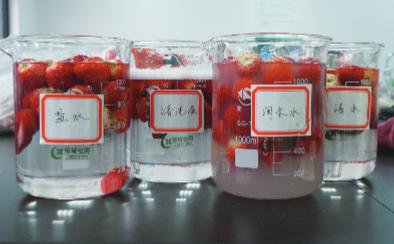
The editor talked with an old professor of agriculture about this. In the old professor's words, "Growth promoters and ripening agents are not fierce beasts."
Speaking of hormones, anyone who has been to high school should have learned in class that hormones are divided into animal hormones and plant hormones, and the two do not cross-affect each other. And the hormone pesticides we commonly use are naturally plant hormones, which act on plants to achieve the purpose of affecting plant growth.
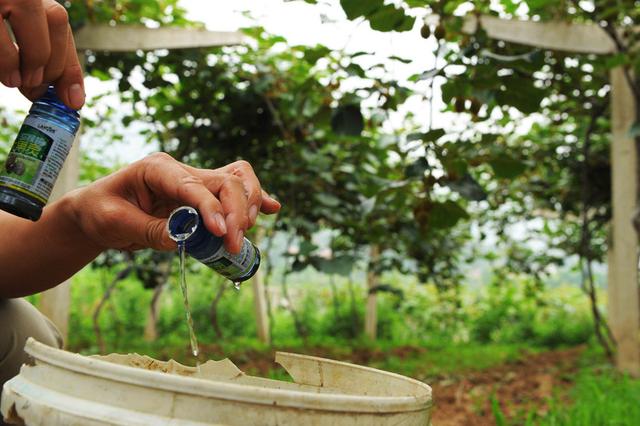
Growth promoters generally include several types such as gibberellins and cytokinins, and they have many effects: promoting flower bud differentiation, preventing fruit aging, stimulating fruit growth, and so on; ripening agents are ethephon, which has effects such as promoting fruit ripening, stimulating bleeding, and regulating sex transformation. The hormones that affect humans include growth hormone, thyroxine, and so on, none of which have anything to do with growth promoters and ripening agents, and among themGrowth promoters are recognized as harmless to the human body, and ripening agents have a certain irritating effect on sensitive areas, but they do not have carcinogenic or other pathological effects.
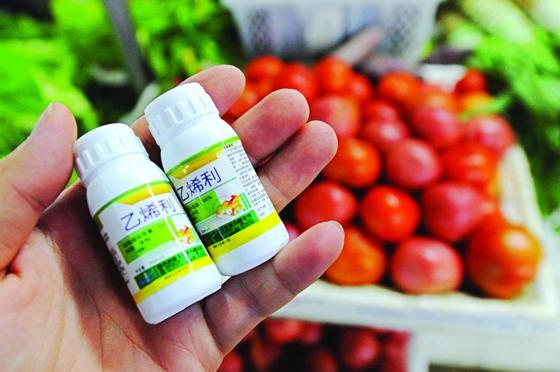
And it is worth mentioning that the dosage of these hormone-type pesticides is very strict. Even a slight deviation in concentration will cause a fatal blow to crop growth, and this amount is very small. There is no situation of heavy use followed by residue (of course, people with ulterior motives are another matter), after all, these drugs are very expensive, and special crops even require specialized institutions to mix the drugs.
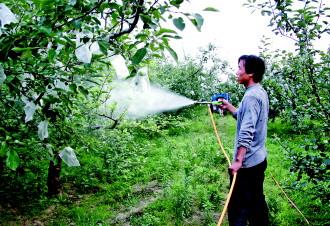
Actually, in agricultural production, quite a lot of pesticides are indeed used, not only hormone-type pesticides, but also various fungicides and insecticides. However, no matter which pesticide it is, it will not be used excessively. First, there is the cost issue; second, excessive use will harm the plants. Basically, 99 percent of the fruits and vegetables you see can be eaten safely.
Of course, this does not mean you should not wash vegetables.
(Image source: the internet)