A detailed explanation of the whole dental implant process, understand it clearly before getting an implant
When it comes to modern dental health, most people will have more or less some problems, and as people get older, various kinds of missing teeth appear even more, making it impossible to eat normally, and even seriously affecting daily life and physical health.
When facing the problem of missing teeth, dental implants are currently one of the best restoration techniques.
However, when hearing about dental implants, some people may be curious: can they really take root and sprout like planting crops? Some people find it terrifying: will the implant process be very painful? Does it require a very long repair and recovery time? So, how exactly are these teeth "planted"? The editor will explore this together with everyone.
A full reveal of the entire dental implant process
Dental implants stand out among many tooth restoration methods for their superior comfort, stability, durability, aesthetics and many other advantages.
The dental implant process mainly consists of three parts: the preoperative examination of the patient's physical condition, the intraoperative clinical operation part, and the guarantee of postoperative rehabilitation treatment.
PreoperativeExamination of the patient's physical condition
(1) Fully grasp data such as oral bone density and bone height through panoramic CT holography;
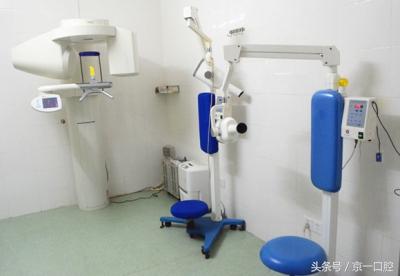
(2) Use a 3D-printed guide plate so that the implant position can be accurately predicted in advance;
(3) Ask about the patient's general medical history, conduct blood routine, blood pressure, blood sugar, electrocardiogram, pulse and other examinations to determine whether surgery can be performed;
(4) Formulate a suitable dental implant plan for the patient.
IntraoperativeClinical operation
(1) Prepare the implant socket, make a template according to the pre-designed plan, and select an implant of suitable length and the corresponding series of drills according to the bone volume of the alveolar bone;
(2) Switch to a slow-speed drill, use a large amount of normal saline to rinse and cool, and use a tap to prepare the threads on the bone wall of the implant socket;
(3) According to the patient's alveolar bone density, height and width, automatically avoid blood vessels and nerves, and precisely place the dental implant root with the precision of a 3-4mm micro-incision;
(4) Suture the wound so that the wound can heal as quickly as possible and the implant can integrate better with the alveolar bone.
(5) After the implant screw and alveolar bone have healed tightly together, place the crown on the patient.
Guarantee of postoperative rehabilitation treatment
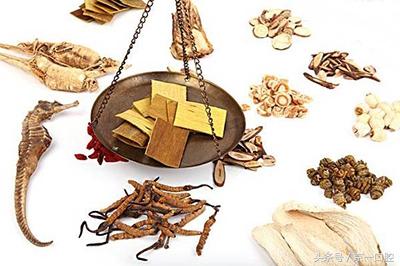
(1) Use traditional Chinese medicine formulas for activating blood and dispersing stasis, regulating qi and relieving pain for conditioning, which can accelerate wound healing and the disappearance of postoperative swelling and pain;
(2) Later traditional Chinese medicine conditioning enhances the quality of bone integration between the implant and the alveolar bone, improves the success rate of dental implants, and can also protect the gums and strengthen the teeth, achieving the effect of preventing tooth loss after dental implantation;
Good oral hygiene habits are an important guarantee for the success of dental implants, so here we warmly remind readers who have had dental implants to perform effective oral cleaning on time.
Within two weeks after surgery, rinse your mouth promptly after meals, and use mouthwash several times a day to avoid infection. It is recommended to choose soft-bristled toothbrushes, and use a soft-bristled toothbrush and dental floss to clean the implant once in the morning and once in the evening.
Observe the condition of the implant and the wound at any time. If problems are found, contact the doctor promptly, and regularly return to the hospital for follow-up visits and maintenance.
If you think the article is good, you can share it or subscribe to us, and you can also follow our WeChat public account: Jingyi Stomatology / Beijing Jingyi Traditional Chinese Medicine Hospital, and tell the editor about your oral problems, and the editor will give you some ideas!