What are the key points to note for citrus cultivation in 2018?
Author: Farmer Ge Farmer Ge Citrus Cultivation
First, choose excellent varieties:
There are many kinds and varieties of citrus available for cultivation in our country, and you must select excellent varieties according to the local ecological conditions and market demand. In variety selection, with market demand and technological progress, there are more and more varieties. When selecting varieties, you should first understand that different varieties differ in their adaptability to adverse weather. It is best to choose some varieties that can resist canker; second, choose varieties that are currently promoted in the market, have good comprehensive economic traits, and are suitable for local cultivation conditions.
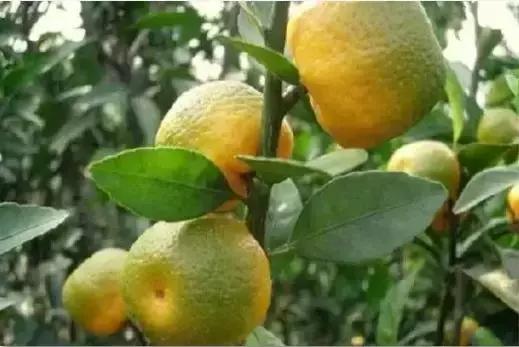
Second, suitable ecological conditions:
Citrus belongs to evergreen small trees or shrubs under the tall trees of tropical rainforests or subtropical evergreen broad-leaved forests. In areas with suitable temperatures above 15 degrees, soils rich in organic matter and moisture and a partially shaded environment are needed. This has also formed the characteristics of citrus being evergreen, shade-tolerant, not tolerant of low temperatures, with roots that like water, and requiring soil rich in organic matter.
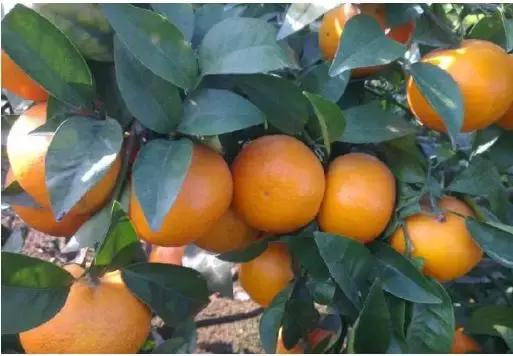
Third, adopt formula fertilization:
In different seasons and phenological periods, citrus absorbs different amounts of nutrient elements. During spring sprouting, the absorption of nitrogen, phosphorus, potassium, calcium, and magnesium is relatively low, and it increases as new shoots extend, with the fastest increase during the flowering period. Therefore, in the planting process, combine the needs of each growth and development stage of citrus trees, mix various required fertilizers in proportion, and determine the fertilization amount according to the percentage of fertilizer that can be absorbed and utilized in the soil. This is a scientific fertilization method. Adopting soil testing and formula fertilization technology can achieve the goals of saving fertilizer, increasing yield and improving quality, efficient fertilizer matching, improving soil fertility, and ecological protection.
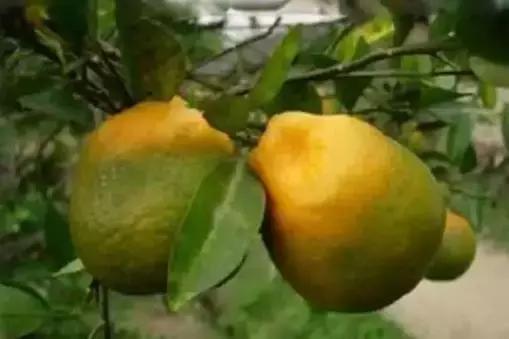
Fourth, irrigation and drainage:
Citrus is evergreen year-round, has a large annual growth volume of branches and shoots, and a long fruit-bearing period, so it has relatively high water requirements. According to surveys, for Satsuma mandarin with soil moisture maintained at the field capacity level, the annual water consumption is 979mm, the total daily evaporation in summer is 5.7-6mm, and in winter it is 0.5-0.9mm. If drought continues, leaf drop increases, and fruit also stops growing.
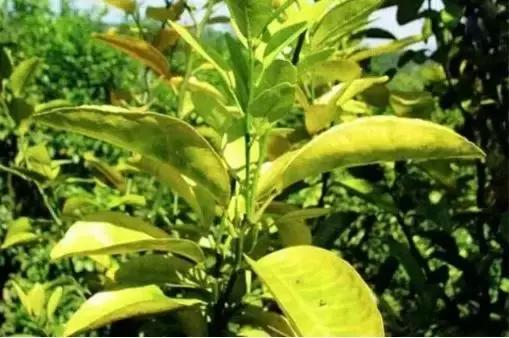
In autumn, typhoons and heavy rain are likely to cause water accumulation in the orchard, and at this time drainage should be carried out as early as possible. Otherwise, root absorption declines, which can also lead to the shedding of young fruit.
Editor: Sen Lin Mu