This is how to wash vegetables to remove pesticide residue - it turns out your method has been wrong all along
We go to the market every day to buy groceries, and most of the meat and vegetables we buy every day have some dirt, dust, and so on on them, and even many vegetables still have pesticide residue, which is very hard to completely remove with plain water. At times like this, you need some clever tips. I have put together a few, so let's take a look!
1. Cauliflower
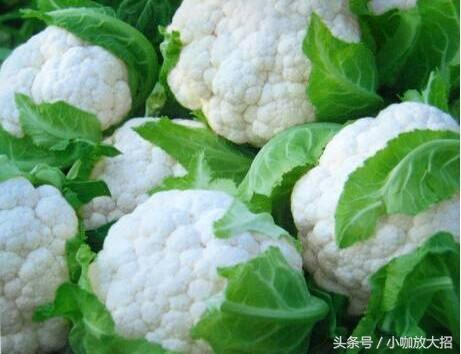
Does cauliflower look very clean at first glance? Wrong, completely wrong. Because of its special structure, pesticide residue and small insects easily get trapped inside the cauliflower.
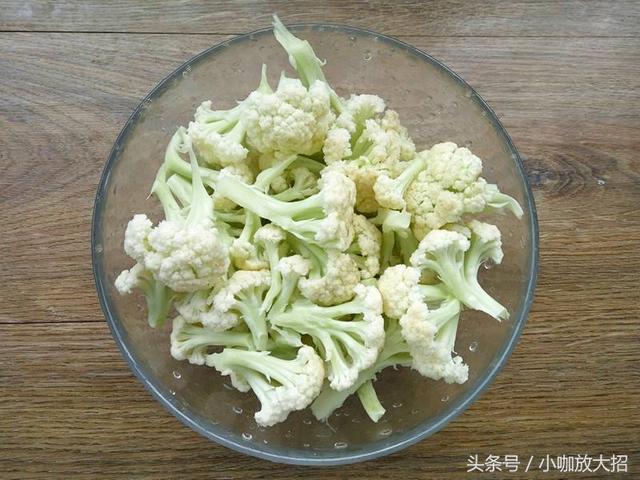
Correct method: First, gently brush the surface of the cauliflower with a toothbrush, then break the cauliflower into small florets by hand, soak it in salt water for about 15 minutes, and finally rinse it clean under running tap water.
2. Pork
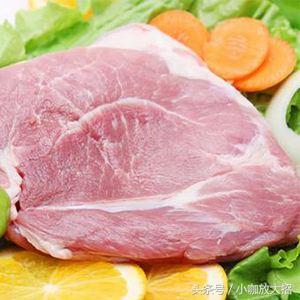
The pork we buy is usually rinsed directly with water, but this makes it very hard to rinse the dirt off the pork cleanly. And when you put the meat in a basin to wash it, as soon as you add water, the fat from the meat sticks to the meat again, making it very hard to remove.
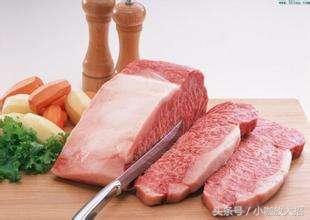
Correct method: The water we use to rinse rice can come in very handy here. Soak the meat in rice-washing water for 5 minutes, then rinse it with water, and the dirt on the pork can be easily washed away.
3. Fish
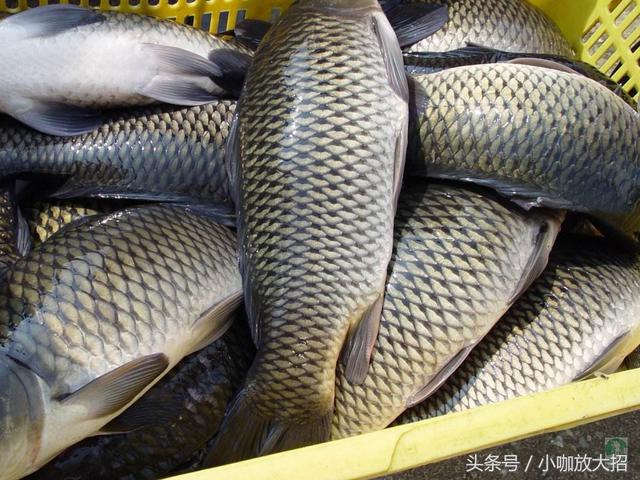
The most troublesome thing for us is probably fish. No matter how many times you rinse it with water, you can never get rid of the fishy smell on it. It is very annoying.
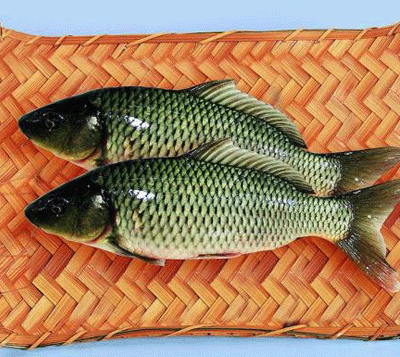
Correct method: After cutting the fish open with a knife and washing it clean, put it in clean water, then pour in a little vinegar and pepper, and soak it for a while. This can greatly reduce the fishy smell. Or we can wash it several times with rice-washing water, then put it into clean water, pour in a little vinegar, put the fish in and wash it, and the fishy smell can also be removed.
4. Mushrooms
Actually, mushrooms are especially hard to wash. Many people just wash the soil off the surface of the mushrooms and think that is enough, but many people do not know that this is basically the same as not washing them at all, or even that the more you wash them, the dirtier they get.
Correct method:We only need to put a small amount of salt in clean water, then soak the mushrooms in the salt water for a while. We can also wash the mushrooms in rice-washing water, so that the soil trapped in the middle of the mushrooms can also be easily washed away.What needs special attention is that when washing mushrooms, you must cut off the base of the mushroom.
5. Seafood and shellfish
No matter what season it is, most people love eating seafood, I believe. But although seafood is delicious, it is especially hard to clean, especially crabs and shellfish. If you just rinse them with water, you cannot really wash them clean.
Correct method: We need to wash the surface of the crab with salt water, then put the crab into salt water to soak, so that it can spit out the dirt by itself. If you want to wash it clean, you need to change the salt water several times, and then it can be thoroughly washed clean.
6. Cabbage
Many of us feel that because the outer leaves of cabbage wrap it so tightly, no pesticide residue will remain inside. When washing cabbage, people remove the outermost leaves, rinse it with clean water, and think it is clean. Actually, this way of washing is very wrong.
Correct method: First cut off the root part, so the leaves are easy to separate. Then peel off the leaves one by one, and rinse them clean with water.
I will stop here with this brief introduction. If there is anything unclear, you can send me a private message. I hope everyone will give more suggestions and more support!