Disinfection and Maintenance Methods for Dental Implant Instruments
The disinfection and maintenance of implant surgical instruments is an important part of clinical nursing work in dental implantation. It concerns the safety of both patients and doctors, prevents cross-infection, and is also an essential prerequisite for ensuring the smooth progress of surgery.
I. Disinfection of Implant Handpieces
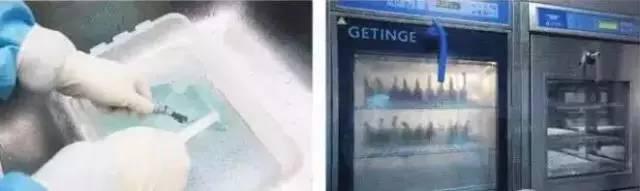
Implant handpieces can be cleaned manually, but it is best to use a dedicated machine for cleaning.
1. Manual cleaning: After surgery, remove the implant handpiece, brush the exterior with a soft-bristled brush in enzyme solution, and rinse clean under running water.
2. Machine cleaning: After surgery, remove the implant handpiece and place it in a fully automatic handpiece disinfection and cleaning machine for cleaning.
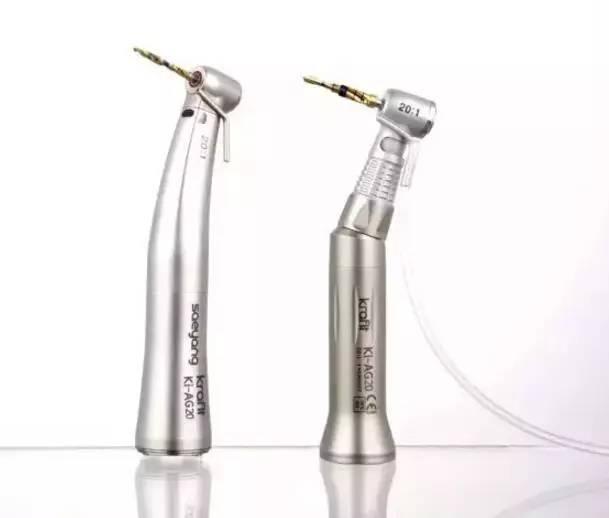
After the implant surgery is completed, immediately remove the implant handpiece and wipe the surface clean with a 75% ethanol cotton ball. After surface cleaning, disassemble the handpiece, use a toothbrush or cotton ball to thoroughly remove residual blood and tissue debris from the handpiece components, then use an air gun to blow-dry the moisture from each component, and reassemble the handpiece. Use the maintenance oil recommended by the handpiece manufacturer to spray into the ls, connect the handpiece to the motor (without connecting the cooling water tube). Rotate the motor at low speed, and after 10s adjust the speed to the highest setting and run it (about 30s) to expel excess maintenance oil. Finally, remove the handpiece, wipe off the maintenance oil on the surface of the handpiece, vacuum-pack it, and sterilize it strictly according to sterilization standards. A pre-vacuum high-temperature high-pressure sterilization system is recommended.
II. Disinfection of Handpiece Instruments
After surgical use, brush the instruments with a soft-bristled brush in enzyme solution. For instruments with lumens, use a brush of appropriate thickness to brush the inner diameter of the lumen.
For instruments with hollow parts, use a metal probe to clear the interior of the lumen, flush with a syringe, carefully remove saliva, blood, soft tissue and bone fragments, and place them in an ultrasonic cleaning machine.
Then heat and clean at a water temperature of 40°C-42°C for 20 minutes, rinse clean under running water, and finally rinse with deionized water.
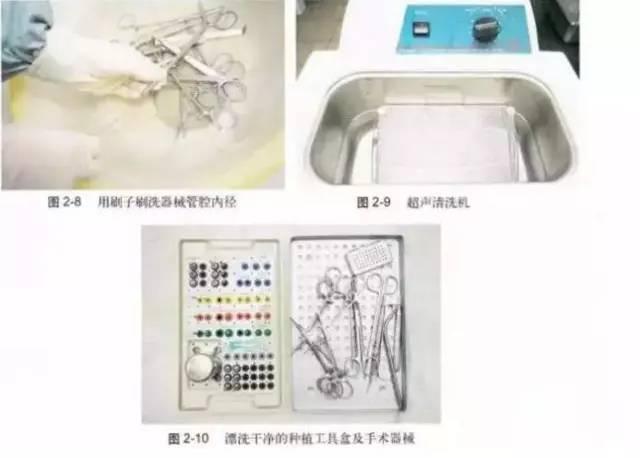
After cleaning the instruments, check their cleanliness and sharpness, maintain the instruments with dedicated lubricating oil, and after counting to ensure they are complete, place them back in their corresponding positions in the instrument box one by one, and place in an oven to dry. Then place in sterilization indicators and package by category. Pre-vacuum pressure steam sterilization.
III. Maintenance and Care of Implant Instruments
1. After surgery, promptly cut off the power to the implant machine; especially before cleaning and maintenance, be sure to cut off the power. Keep the implant machine clean and wipe it with a dry soft cloth; do not use organic solvents to wipe the plastic components. When not in use for a long time, it should be powered on regularly to remove moisture.
2. Before each surgical period, the implant machine, handpieces, motors, etc. should be tested by simulating the surgery to ensure normal operation. Regular inspections should be carried out normally, and problems should be solved immediately when found.
3. Implant instruments should be managed by a designated person. Before surgery, prepare the required instruments according to the surgical plan; for sterilized instruments, confirm that the packaging is intact and within the validity period. Establish a usage registration system, and promptly register the use of instruments after surgery.
4. If abnormal sounds, vibration, or a rapid temperature rise within a short time occur during operation, stop the operation immediately to avoid damaging the instruments.
This article is from: Qiezi Dental Cloud