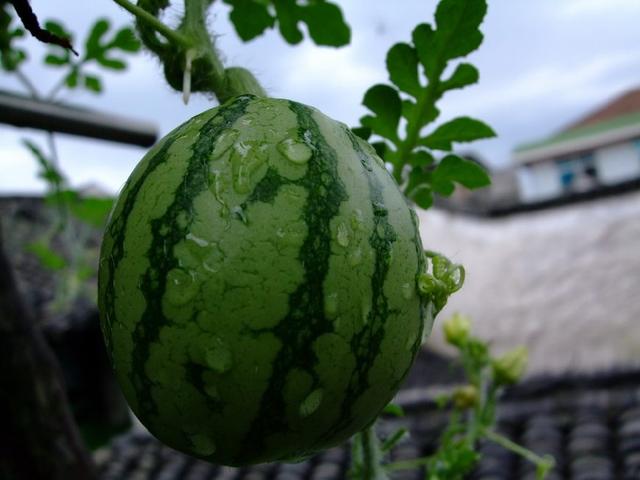
How to grow watermelon in pots? A step-by-step guide to growing methods
Recently, the news of Chen Sicheng's affair has dominated screens for the past few days. I had been quite optimistic about his film and television career, but now everything seems so difficult. Suddenly I remembered that Chen Sicheng said on a show that he likes eating watermelon. Many watermelons on the market now are artificially ripened or injected with water, which makes people uneasy about eating them. Today I will introduce the cultivation techniques for potted watermelon, so everyone can eat watermelons they grow themselves at home.

I. Selection of containers and varieties
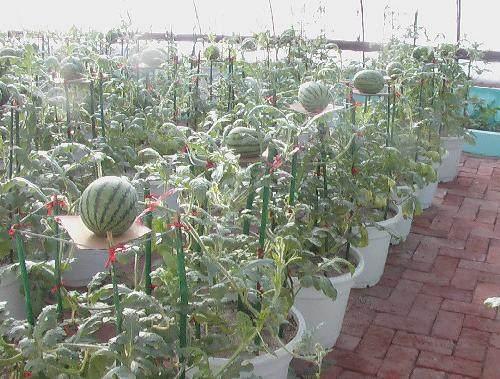
Watermelon has a relatively developed root system. To meet its growing conditions, we can choose a larger flower pot, with a diameter of 30-50 cm being ideal. Because potted plants have limited nutrients and not much space, it is better to choose small watermelon varieties. Generally, good ones include Black Beauty and so on. But remember one thing: the watermelon seeds you normally eat cannot be used as seeds, because today's watermelons are all hybrids.
II. Raising seedlings
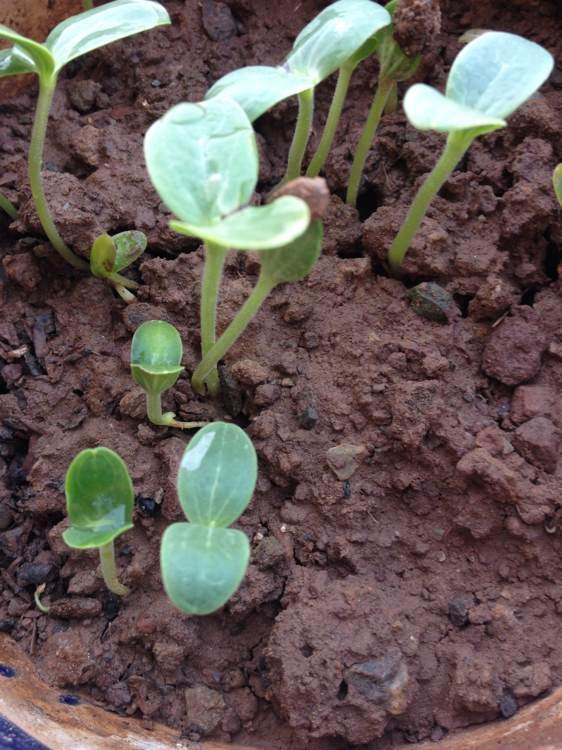
First, soak the seeds in 55°C water and stir until the water temperature drops to 30°C. After soaking for 3-5 hours, germinate them in an incubator. Once the seeds grow 1 cm sprouts, sow them in plug trays. Pay attention to watering and ventilation. The watermelon seedling stage lasts 25-30 days, after which it can be planted out and transplanted.
III. Planting out and daily management
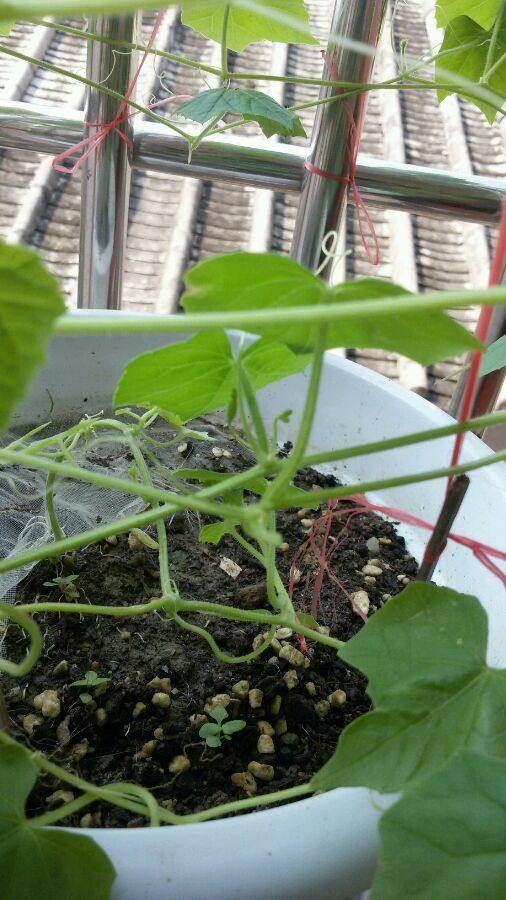
Before planting out, choose a good nutrient soil. You can buy ready-made commercial substrate from a flower shop and put it into the flower pot, water it thoroughly, then plant the watermelon seedlings in, and water a little more so the roots blend with the substrate. In the early stage, apply less balanced fertilizer; in the later stage, apply more potassium fertilizer to ensure flower bud differentiation. When the seedlings grow to a certain height, use bamboo poles to support them so they can grow upward. After 9 a.m., use the stamens of male flowers that opened that day to dab the stamens of female flowers, so the pollen from the male flowers falls onto the stigma of the female flowers. Pollination is very important for setting the watermelon.
IV. Harvest
Keep one melon per vine, so all the nutrients can go to just one. When the melon has grown fully, tie it up in a bag meant for covering watermelons and hang it up, to prevent the watermelon from falling off due to its weight. Wait until the stripes on the watermelon have fully spread out, and then it can be harvested.