Detailed Guide to Planting Methods and Care Tips for Lilacs
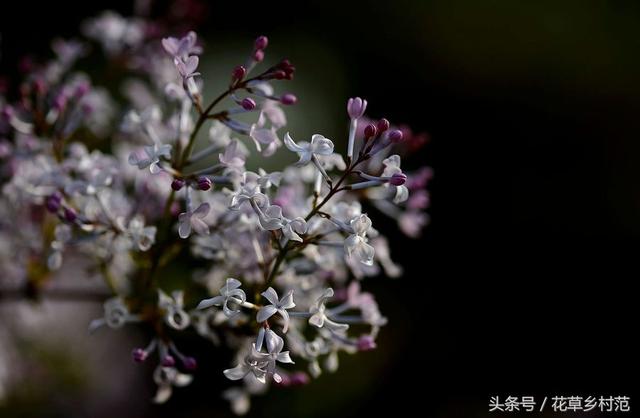
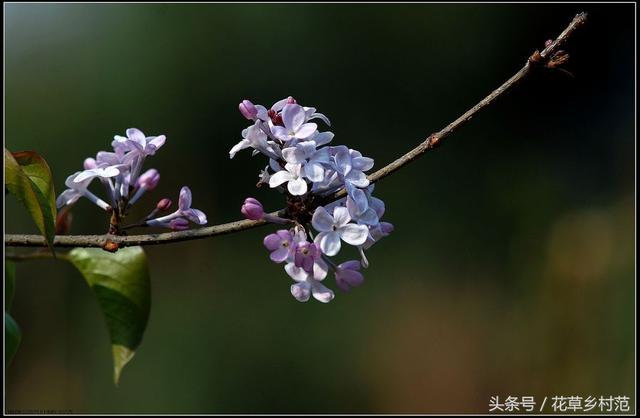
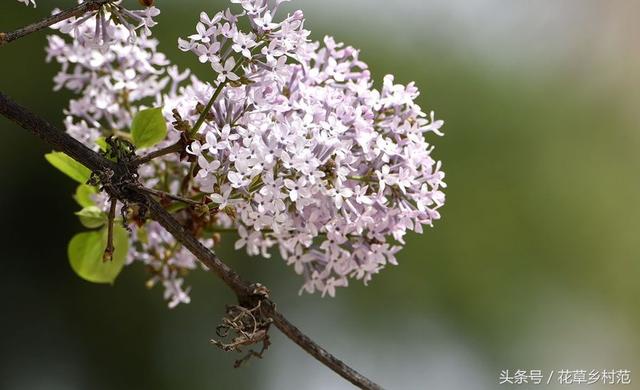
 Morphological characteristics: Height can reach 4-5 m. Bark dark gray or grayish brown, panicles, flowers dark purple, fragrant. Blooms in April-May. In the broad sense, lilac refers to all species in the genus Syringa. There are 30 recorded species of lilac, and China has 24. There are also many varieties, hybrids and cultivars. The variety white lilac has white flowers.
 Growth habits: Prefers light. Slightly tolerant of shade; growth is weak in shady or semi-shady places, with sparse flowering. Prefers warmth and moisture, has a certain degree of cold tolerance and strong drought tolerance. It is not demanding about soil, tolerates poor soil, and prefers fertile, well-drained soil. Waterlogging will cause disease and can even kill the entire plant.
 Care measures: (1) Lilacs should be transplanted in early spring before the buds begin to swell. Before transplanting, apply sufficient base fertilizer in the planting hole, cover the base fertilizer with a layer of soil, then place the seedling and mound soil around it. After planting, water thoroughly once, then water 2-3 more times and it will survive. Lilacs are highly adaptable and relatively easy to manage. Ordinarily, as long as you pay attention to weed control, prevent waterlogging during the rainy season, and water during droughts, they can grow smoothly.
(2) Lilacs do not like too much fertilizer. Never apply too much fertilizer, as this can cause excessive shoot growth and affect flowering. Generally, applying well-rotted compost once a year or every other year before winter is enough.
(3) Before budding in mid-March, shape and prune the lilac by cutting out overly dense branches, thin and weak branches, and diseased or pest-infested branches, and heading back vigorous long branches so that the canopy is well ventilated and lets in light. After flowering, if you do not want to keep seeds, cut off the spent flowers together with the two buds below the flower spike to reduce nutrient consumption and promote new shoot growth and
flower bud formation. After leaf fall, another pruning can be done to keep the canopy attractive.
(4) Propagation is generally by sowing and division.
 Warm reminder: Lilac varieties suitable for pot cultivation include littleleaf lilac, cutleaf lilac and Persian lilac.