A Comprehensive Analysis of Raspberry Cultivation Methods and Nutritional Value
Raspberry is a perennial small shrub. It grows in clumps, and its branches grow at an angle or lie flat along the ground, generally reaching 3-4 m in length. Its fruit is a berry, and the fruit's sweetness and acidity are quite palatable, and it is rich in nutrients.
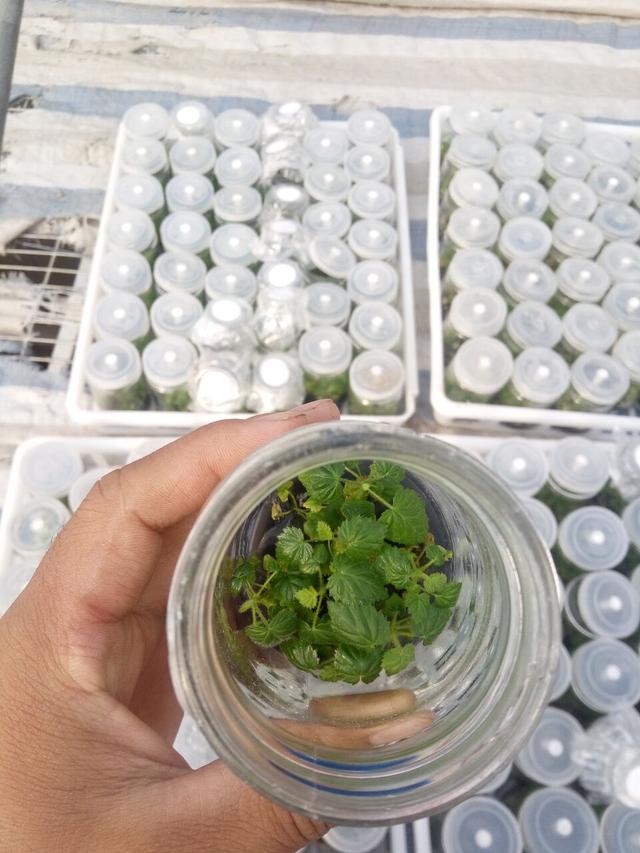
Tissue-cultured raspberry seedlings
Raspberry is called the golden fruit and is also known as raspberry; Beijing locals commonly call it tuopu. It is relatively similar to the strawberry, but the fruit grows on a shrub, is sweet and sour and tasty, and has a peculiar fragrance. The raspberry fruit is actually an aggregate berry, formed by a cluster of many small drupelets arranged tightly together. The fruit is tender and juicy, attractive in color, and rich in nutrients. It is currently the third-generation small berry sweeping the world, and is known in international markets as the golden fruit. Traditional Chinese medicine holds that raspberry is warm in nature, sour and neutral, non-toxic, enters the liver and kidney meridians, and has functions such as quenching thirst, eliminating phlegm, detoxifying, and beautifying the face, and helps treat conditions such as gout. The vitamin E content in raspberries also ranks first among all kinds of fruits. Natural superoxide dismutase and vitamin E are excellent scavengers for the human body, able to eliminate large amounts of harmful metabolic substances produced by the body, improve human immunity, and fundamentally improve the body's internal environment, achieving the goals of beauty, skin care, and longevity. Long-term consumption of raspberries can effectively protect the heart and prevent cardiovascular and cerebrovascular diseases such as high blood pressure, atherosclerotic blood vessel walls, and hardening and rupture of cerebral blood vessels. In addition, raspberry ketone extracted from raspberries can effectively burn fat, with an effect 3 times that of capsaicin. Weight-loss and slimming products with raspberry ketone as the main ingredient have become popular products in foreign markets. Chinese and American scientists believe that daily intake of an appropriate amount of fresh raspberry fruit or corresponding fruit products has a very good effect on controlling body weight and maintaining body shape.
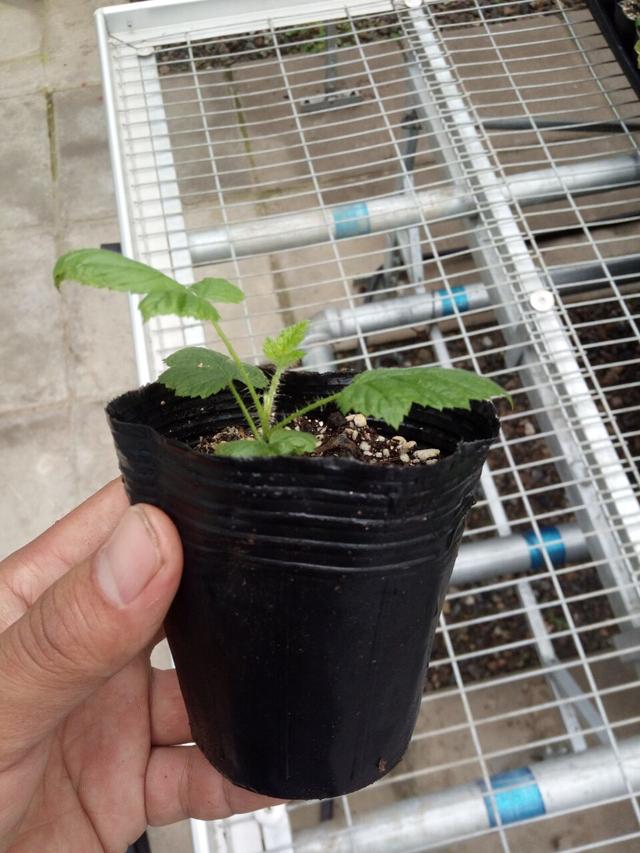
Red raspberry small seedlings
There are three common types of raspberries on the market.
The red raspberry fruit is round, large, dark red, brightly colored, and pleasantly sweet and sour.
The black raspberry fruit is purple-black, glossy, strongly fragrant, and sweet.
The yellow raspberry is a yellow variant type of the red raspberry, and its fruit is round with a strong aroma.
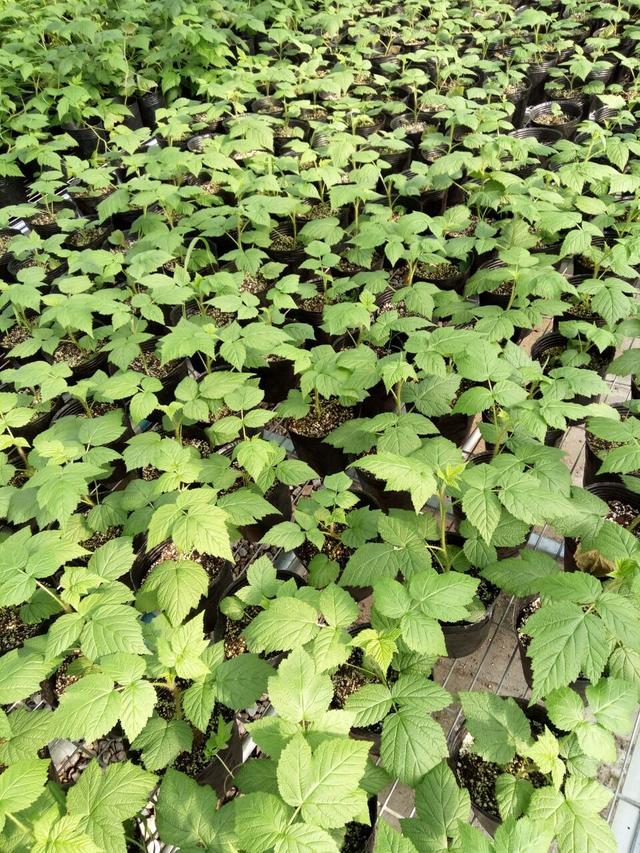
Red raspberry small seedlings
Raspberry propagation methods are divided into sexual reproduction and asexual reproduction
Limited reproduction is the so-called seed reproduction, that is, seedling plants, but because its seedling plants have a large variation rate, cannot maintain the characteristics of the original variety, and bear fruit relatively late, it is mainly used for breeding new varieties and cannot be used to cultivate seedlings for production use.
Asexual reproduction includes cuttings, tillering, and tissue culture. Tissue culture is currently the safest and most effective propagation method.
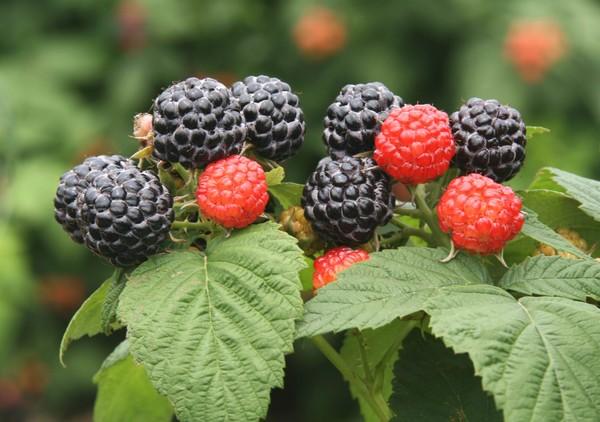
Raspberry fruit
Acclimatization of tissue-cultured seedlings
Acclimatization is the process of moving tissue-cultured seedlings outdoors for natural light treatment and then transplanting them to a seedbed to grow into commercial seedlings. In addition, the hardening-off time has a certain effect on the survival rate of test-tube seedling acclimatization and transplanting; hardening off for 7 days gave the highest survival rate, up to 92.06%; soaking tissue-cultured seedlings in a 2000-fold seaweed extract solution for 5 minutes gave the highest rooting rate, up to 93.22%; a composite substrate with a river sand:peat ratio of 1:2 was most effective for raspberry rooting, with the highest rooting rate reaching 92.7%.
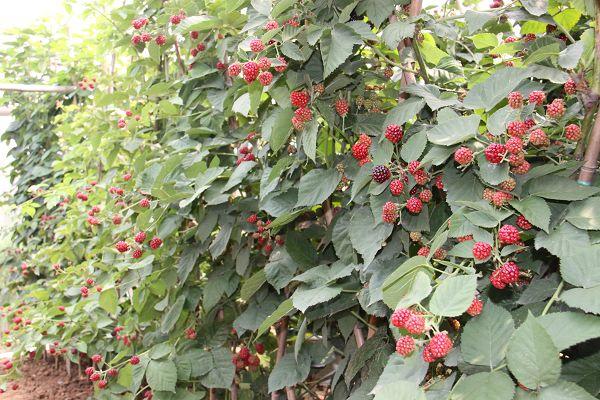
Raspberry
Seedbed treatment
For seedbed establishment, choose a high, dry site with good drainage and sufficient light to build the bed, and install pipes and nozzles properly. The bottom layer of the seedbed is covered with 15 cm thick coarse coal cinder or vermiculite, the middle layer with 10 cm coarse sand, and the upper layer with 15 cm fine river sand; before use, spray with a 0.2% potassium permanganate solution for disinfection.
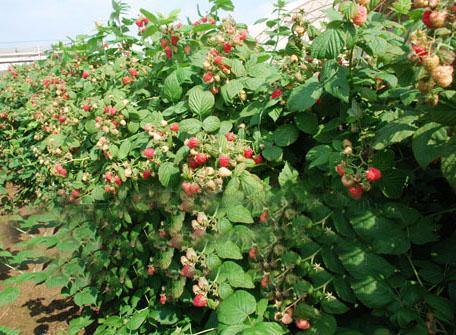
Raspberry fruit
Planting
Plant at 600 plants per mu, with a row spacing of 1.8-2 m and a plant spacing of 45-60.
Raspberry fruit
Cultivation management
Raspberry is a sun-loving plant and relatively prefers light. It also has low soil requirements; a pH of 5-7 is suitable for planting. The soil is best if it is sandy soil with good aeration and high organic matter content. The planting site is best on open, level sloped land or flat land with good drainage and convenient for careful management.
In the second year after planting, trellises need to be set up for trailing and semi-upright raspberry varieties. At the end of the fruiting period each year or in spring, pruning is needed to control the plant shape.