Another great trick for growing spinach, a practical method worth learning
Spinach can be divided into 5 types: root-stubble spinach, buried spinach, spring spinach, summer spinach and autumn spinach. Spring spinach can be sown once temperatures rise above 5 degrees after the start of spring, with March being the suitable sowing period; it is harvested 30-50 days after sowing. It is best to choose varieties that bolt late and have thick, large leaves, such as Chunqiu Daye, Shenyang Round Leaf and Liaoning Round Leaf. Now let's take a look at spinach growing techniques!
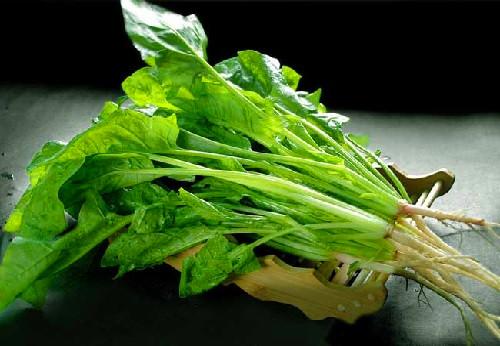
The growing environment for spinach
1. Temperature: Spinach is a cold-tolerant vegetable. The seeds can germinate at 4°C, with 15-20°C being optimal. The suitable temperature for vegetative growth is 15-20°C; growth is poor above 25°C, and the above-ground parts can withstand low temperatures of minus 6-8°C.
2. Sunlight: Spinach is a long-day crop. Under high temperatures and long-day conditions, the plants tend to bolt and flower. It is not strict about light intensity and can be intercropped or relay-cropped with tall-stemmed crops.
3. Water: Spinach has a large leaf area and tender tissues, so it has relatively high water requirements. With sufficient water, vigorous growth produces thick flesh, high yields and good quality. Under high temperatures, long days and drought conditions, vegetative growth is inhibited and reproductive growth accelerates, making premature bolting likely.
4. Soil: Spinach has strong adaptability to soil, but fertile soil with strong water- and fertilizer-retention capacity is still best. Spinach is not acid-tolerant, and the suitable pH is 7.3-8.2. Spinach is a leafy vegetable and needs more nitrogen fertilizer plus appropriate phosphorus and potassium fertilizer.
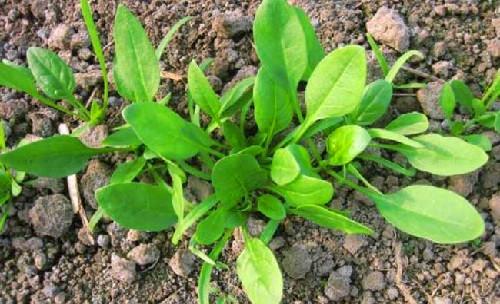
Spring spinach growing techniques
The key to growing spring spinach is to sow early and prevent early bolting.
1. Choosing varieties: For spring spinach, it is best to choose round-leaf spinach that bolts late.
2. Soaking seeds to promote germination: To speed up emergence, soak the seeds in cool water for 12-24 hours before sowing, and use a bamboo broom to poke up and down to pierce the seed coat. After removing them, place them at 15-20°C to promote germination (spread the seeds to a thickness of about 15 cm and cover with a wet burlap sheet to keep them moist). After 3-5 days, once the radicles emerge, they can be sown.
3. Sowing: Sow when the average daily temperature reaches 4-5°C. Apply sufficient base fertilizer and use the wet sowing method, with a sowing rate of 5-6 kg per mu.
4. Field management: Early management focuses on preserving soil moisture, irrigating little and lightly, and preventing temperatures from being too low. After 2-3 true leaves, the plants enter a period of vigorous growth, and water and fertilizer must keep up to promote growth and prevent early bolting.
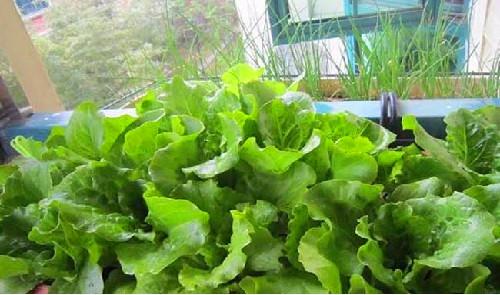
Summer spinach growing techniques
1. Seed selection and germination: Choose varieties such as round-leaf spinach or large-leaf spinach that are relatively heat-tolerant, easy to germinate and strongly disease-resistant. First break the shells and soak the seeds for 12-24 hours, then place them in a well or in a refrigerator at 2-4°C for low-temperature germination. Alternatively, after soaking, spread them in a cool indoor place to germinate (note: rinse once a day with clean water to wash away the mucilage and prevent mildew), turning them frequently and keeping them moist. Generally after 4-5 days they will have germinated and can be sown.
2. Sowing at the right time: Generally, sowing from mid-May to early June is more suitable. During high-temperature periods, the sowing rate should be appropriately increased to 10-15 kg per mu. To make the seeds emerge at different times, allow successive harvesting and extend the supply period, you can also mix 2 parts soaked, germinated wet seeds with 1 part dry seeds evenly and then sow. Before sowing, choose well-drained sandy loam soil, then plow it and apply sufficient base fertilizer (apply 1500-2000 kg of fully decomposed high-quality manure per mu). One day before sowing, dig furrows and build beds, usually 2 m wide, water thoroughly, and water once each morning and evening before emergence.
3. Fine management. For spinach sown before "White Dew," it is best to cover the ground with water grass or similar after sowing; if conditions permit, a shed can also be built for shade, and the covering should be removed after emergence. During the growing period and after each spinach harvest, apply decomposed dilute manure water in timely split doses, adhering to the principle of small amounts of fertilizer with plenty of water, irrigating lightly and frequently, and always keeping the soil moist. In rainy seasons, humidity must also be reduced to prevent disease.