What are the agricultural planting methods? Introduction to common types and methods
Monocropping
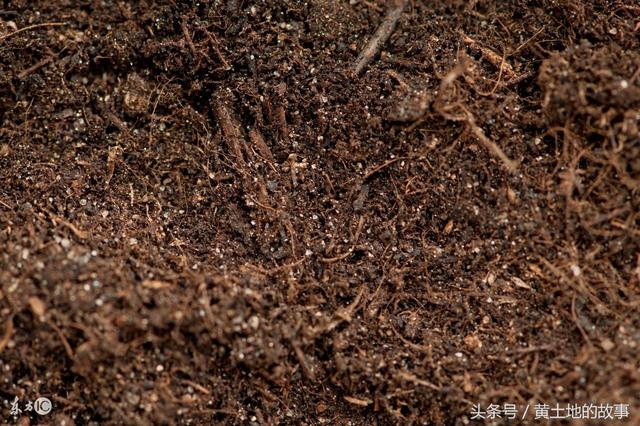
In contrast to intercropping, the practice of growing only one crop on a piece of land is called monocropping. Its advantages are that it is convenient for planting and management, and convenient for the mechanization of field operations. In the world, most crops such as wheat, corn, rice and cotton are mainly grown as monocrops. In China, intercropping and relay cropping are prevalent, but monocropping still accounts for a large proportion. Intercropping
A method in which two or more crops with similar growing seasons are planted in the same field in rows or in strips (multiple rows) at intervals in one cropping cycle. Intercropping can improve land utilization; the crop composite population formed by intercropping can increase the interception and absorption of sunlight and reduce the waste of light energy; at the same time, intercropping of two crops can also produce complementary effects, such as the certain edge-row advantage of tall crops in wide-narrow row intercropping or strip intercropping, and the benefit of legume and grass family intercropping in supplementing the consumption of soil nitrogen, etc. However, in intercropping there is also often fierce competition among different crops for sunlight, water, nutrients, etc. Therefore, reasonable matching of crops with differing plant heights and slightly uneven growth periods, and the arrangement of planting row spacings of varying width in the field, help to improve the effect of intercropping. The current trend is that intercropping is used more in dry land, low-yield land, fields cultivated with human and animal power, and for legume and grass family crops. Relay cropping
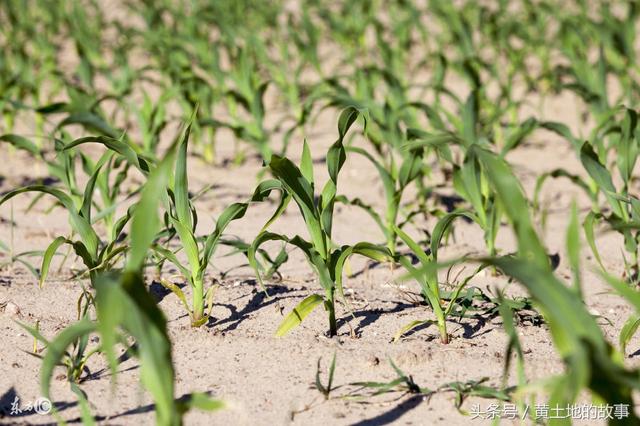
A planting method in which the later-season crop is sown or planted among the plants, rows or beds of the previous crop during its late growth stage. The symbiotic period of the two or more crops in relay cropping occupies only a small part of the growth period, and it is a multiple cropping method that resolves the seasonal conflict between the previous and later crops. Relay cropping Relay cropping is a planting method in which the later-season crop is sown or planted among the plants, rows or beds of the previous crop during its late growth stage. The symbiotic period of the two or more crops in relay cropping occupies only a small part of the growth period, and it is a multiple cropping method that resolves the seasonal conflict between the previous and later crops. Relay cropping originated very early in China. China is one of the countries where relay cropping is most widely practiced in the world. The main methods include: wheat relay-cropped with corn or further relay-cropped with sweet potato or Chinese cabbage; wheat, rapeseed or broad bean relay-cropped with cotton; rice relay-cropped with Chinese milk vetch and rice relay-cropped with sugarcane, jute, sweet potato, etc. The main functions of relay cropping are to gain time to improve the utilization of light energy and land; to increase the yield per unit area; to facilitate timely sowing of the later-season crop; and to ease the conflict in labor use and avoid drought, flood or low-temperature disasters. For relay cropping, appropriate crop combinations should be selected, the field arrangement of crops should be well adjusted, the relay sowing time should be well controlled, and the conflicts among different crops competing for sunlight, water, nutrients, etc. during the symbiotic period of relay cropping should be resolved, so as to promote good growth of the seedlings of the later-season crop.
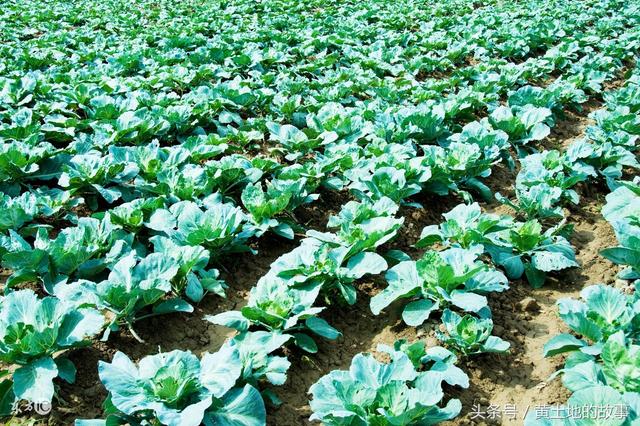
Mixed cropping, also called mixed intercropping: a planting method in which two or more crops with similar growing seasons are mixed and sown in a certain proportion on one field. Mostly they are not in separate rows, or are mixed-sown within the same row, or spot-sown between plants. Through the appropriate combination of different crops, the utilization of light energy and land can be improved, and the harm of natural disasters and pests and diseases can also be reduced. Mixed cropping has a history of more than 2,000 years in China. In the dry lands of the north, mixed cropping of grain and oil crops is more common, such as wheat with peas, sorghum with black beans, soybeans with sesame, and cotton with beans or sesame, etc. Countries in the world where mixed cropping of grain crops is prevalent include India and some countries in Africa. In Africa, mixed cropping of corn, sorghum, cowpea, millet, cassava, potato, etc. is common. In the dry farming areas of India, mixed cropping of sorghum, legumes, millets, etc. is common. In European and American countries with developed animal husbandry, as well as Australia and New Zealand, fodder crops and forage grass are often grown by mixed cropping. Because mixed cropping causes conflicts among crops competing with each other for light, water and fertilizer, and field management is inconvenient, it is not suitable for high-yield cultivation requirements, so the area of mixed cropping in China has gradually decreased. Continuous cropping A planting method of continuously growing the same crop on the same field within one year or in successive years.
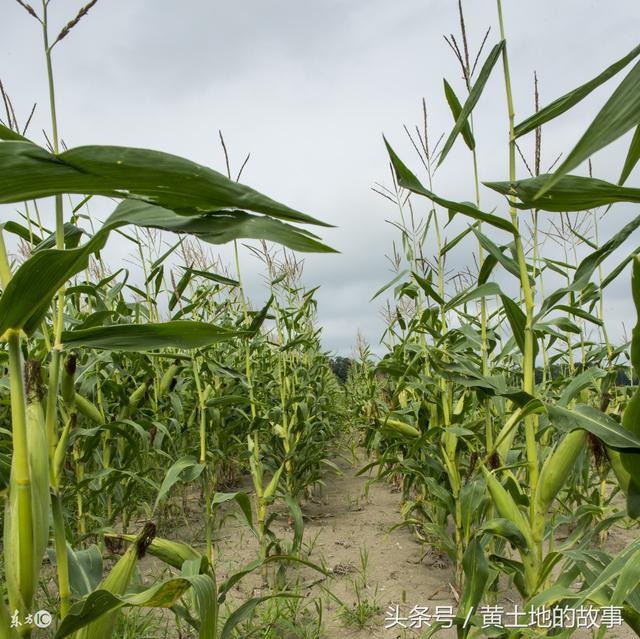
Under certain conditions, adopting continuous cropping is conducive to making full use of the natural resources of a place such as climate and soil, and to growing in large quantities crops that are ecologically adapted and have relatively high economic benefits. Through continuous planting, producers can also more easily master the cultivation techniques of a particular crop. However, continuous cropping often causes a variety of harmful effects: (1) it aggravates the breeding and multiplication of pathogenic microorganisms, pests, and parasitic and associated weeds that cause specific harm to the crop. For example, potato black scurf, broad bean root rot, watermelon vine wilt, as well as peanut nematodes, soybean dodder, sunflower broomrape, barnyardgrass, etc., are all related to continuous cropping; (2) it affects the physical and chemical properties of the soil, reducing fertilizer efficiency; (3) it accelerates the consumption of certain nutrient elements, resulting in nutrient imbalance; (4) certain toxic root exudates continuously accumulate in the soil, causing the continuous cropping crop to "poison" itself, etc.