When is the best time to plant cayenne pepper? Analysis of the best planting time
Cayenne pepper, also known as small chili pepper, sky-pointing pepper, etc., is a perennial semi-woody plant of the Solanaceae family, genus Capsicum. Cayenne pepper is an excellent cash crop with relatively strong market demand, and has therefore become the choice of many farmers. So when is the best time to plant cayenne pepper? How should it be planted? The planting time and methods for cayenne pepper are introduced below.
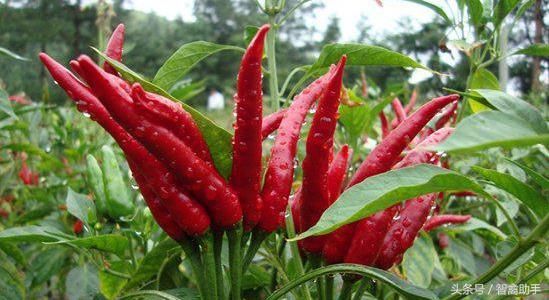
Image: Cayenne pepper
I. Planting time for cayenne pepper
Generally around mid-March, choose consecutive sunny and windless days and sow in the morning. In North China, spring direct sowing is generally done around Grain Rain, choosing warm and sunny weather for sowing. The row spacing is about 40 cm, and the sowing depth is 2 cm. The sowing depth should be consistent, and the seeds should be distributed evenly. Cover the sowing furrow with soil, and pay attention to preserving soil moisture.
II. Planting methods for cayenne pepper
1. Variety selection:Choose varieties with a compact plant shape, high fruit set, clustered fruits, deep red and glossy fruit color, fast and uniform fruit ripening, low fruit moisture content, high dried pepper rate, high pungency, good marketability, and suitability for local cultivation. Such as Japanese Santaka pepper, New Generation Santaka pepper, short clustered bullet head, Tianyu No. 3, etc.
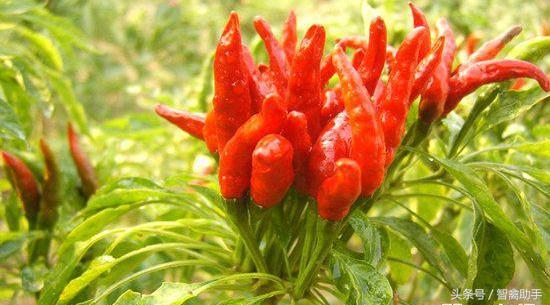
Image: Cayenne pepper
2. Sowing and raising seedlings:Before sowing, sun-dry the seeds for 2-3 days, then soak the seeds to promote germination. First put the seeds into warm water at 50-55°C to soak, maintain the water temperature, and stir for 15-20 minutes, then remove them. Next, soak the seeds in a 10% trisodium phosphate solution or a 0.3% potassium permanganate solution for 20 minutes, remove them and wash off the liquid, then wrap them well in clean white gauze and germinate them at 25-30°C. When 80% of the seeds have sprouted, they can be sown. Low plastic tunnels are mostly used for raising seedlings; if conditions permit, greenhouse seedling raising can be used. The seedbed should be selected from loose, fertile land where peppers have not been grown. While plowing, apply 200 kg of high-quality decomposed farmyard manure, 0.5 kg of urea, and 0.1 kg of monopotassium phosphate per 10 sq m, and treat the soil with 100 g of 50% carbendazim wettable powder. The sowing time is early to mid-March. On the day before sowing, irrigate enough bottom moisture. After sowing, evenly cover with 0.5-0.8 cm of nutrient soil, then cover with the tunnel and press it tightly.
3. Cultivating strong seedlings:The key to cultivating strong seedlings is to strengthen seedbed management and carry out hardening to strengthen the roots. Thick pepper seedlings and a well-developed root system are the foundation for high and stable yields of cayenne pepper. In the early and middle stages of seedling raising, focus on promoting growth. In the early stage, do a good job of heat preservation and freeze prevention to promote early and complete emergence; in the middle stage, reasonably regulate temperature and humidity to prevent seedling scorching and promote seedling growth; in the later stage, ventilate to harden the seedlings, control the amount of irrigation, prevent excessive vegetative growth, improve seedling adaptability, and promote flower bud differentiation. When 2-3 true leaves have unfolded, carry out final thinning. Be sure to thin seedlings where they are dense. If the number of seedlings is large and growth is crowded, the unused seedlings, if not thinned out, are just like weeds, so thinning must be done. When thinning, also pull out weeds, and be careful to protect the root system and avoid excessive root damage.
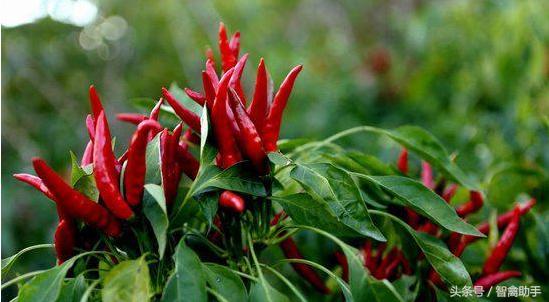
Image: Cayenne pepper
4. Fertilizing, land preparation, and rational close planting:Before transplanting cayenne pepper, fertilization and land preparation should be done well. Apply more farmyard manure in the field as base fertilizer to increase soil organic matter content. For wheat-intercropped peppers, before transplanting, scatter 500 kg of high-quality dry chicken manure per 667 sq m on the ridges. Cayenne pepper varieties generally have a compact plant shape and are suitable for close planting. Within a certain range, close planting can not only increase the number of plants and raise yield per unit area, but also prevent lodging. About 11,000 plants can be transplanted per 667 sq m. A transplanting depth of about 4 cm is more suitable. After transplanting, water to settle the plants, and 7-10 days later give a light watering to help the seedlings recover.
5. Scientific management of fertilizer and water, improving pepper fruit quality:Along with watering to help seedlings recover, apply an early and light fertilizer to promote seedling growth. Apply 10 kg of urea per 667 sq m, then cultivate and control seedling growth. Cayenne pepper is grown for harvesting mature fruits, so in addition to nitrogen fertilizer, attention should also be paid to the application of phosphorus and potassium fertilizers and trace element fertilizers. Special attention should be paid to foliar spraying of compound trace element fertilizers such as boron, manganese, and zinc, which can make leaves dark green and plants robust and prevent flower and fruit drop. For wheat-intercropped peppers, after wheat harvest, promptly apply 40-50 kg of potassium sulfate compound fertilizer per 667 sq m. After the pepper fruits begin to turn red, watering should be controlled to promote fruit ripening. In case of heavy rain, excessive growth should be controlled; otherwise, the plants will stay green and grow wildly, reducing fruit quality.
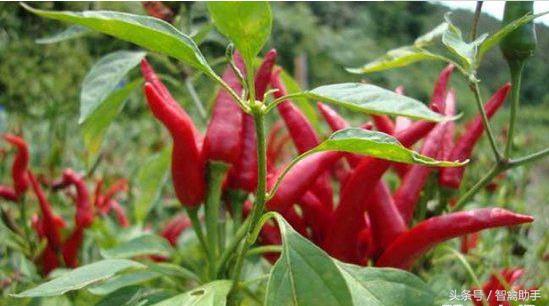
Image: Cayenne pepper
6. Harvesting:The fruits of colorful peppers grown in the open field generally begin to mature successively in mid-to-late August and should be picked and cut promptly to increase production and improve economic returns. The cut mature peppers can be sold on the market or strung up and hung in a ventilated and dry place to dry into dried peppers, to be kept for eating or sold as commercial peppers. Disease occurs, the stem base rots, constricts, and the plant dies. In the early stage of disease, spray 72.2% Previcur SL at 400 times dilution, or 15% hymexazol (soil fungicide) at 450 times dilution for control.
[Editor's conclusion]Cayenne pepper likes a sunny, well-lit environment. It tolerates heat but not frost and cold, and special attention must be paid to this during the planting process. The planting time and methods for cayenne pepper were introduced above. Did everyone understand?