Detailed Guide to Planting Methods and Care Techniques for Rhododendron calophytum
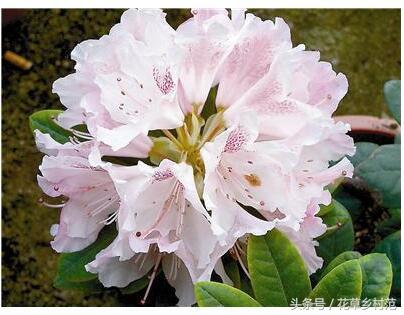 Morphological characteristics: The plant is multi-branched, with a full crown and a compact form. Leaves are alternate. The inflorescence is a raceme-like umbel, with terminal flowers, usually 15-20 cm in diameter. The flower colors are rich, including purple-red, red, pink, orange-red, peach-red, purple-blue, white, yellow and many other colors. Its natural flowering period is from March to May, and with artificial forcing it can bloom as early as January to February. A single plant can remain in bloom for up to 1 month.
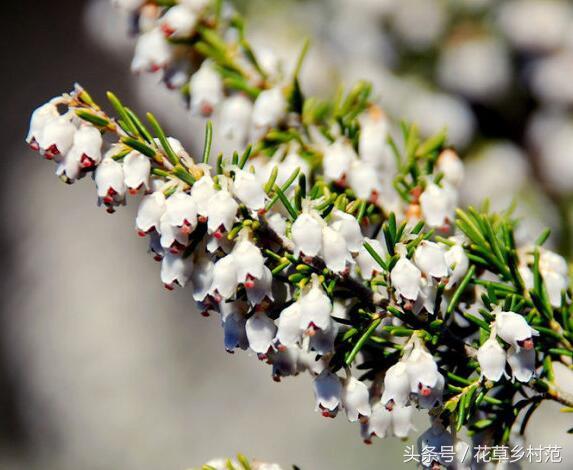
Growth habits: Rhododendron calophytum is a temperate alpine plant. It prefers a cool, humid, semi-shaded environment and has a certain degree of cold tolerance. The optimum growth temperature is 15-25 degrees; when it exceeds 30 degrees, plant growth is inhibited, and when it exceeds 35 degrees, the plant will suffer heat damage to varying degrees. It is not tolerant of drought, fears intense heat and scorching sun exposure, and also fears waterlogging. It is suitable for loose, breathable, humus-rich, well-drained, slightly acidic sandy soil.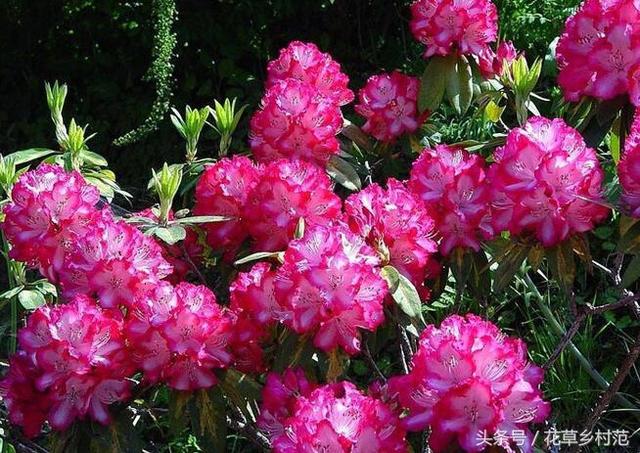
Care measures: Each year after the flowers fade, the spent flowers can be cut off, and after the flowering period ends, the branches should be cut back to promote the growth of leaf buds. Watering should follow the principle of "do not water until dry, and water thoroughly when watering," avoiding water accumulation in the pot and excessive drought. If the air is too dry, water can be sprayed on the plant and the surrounding environment to increase air humidity. During the growing season, apply decomposed alum fertilizer water once every 10-15 days, or sprinkle solid compound fertilizer on the surface of the potting soil and bury it shallowly so the roots can slowly absorb it. In winter, place it indoors in a sunny spot; it can tolerate low temperatures of 0 degrees. Therefore, the winter growing temperature is best kept below 15 degrees to avoid excessively high temperatures affecting flower bud differentiation. Every 1-2 years, potted ornamental Rhododendron calophytum should be repotted once. Repotting is done after flowering. The potting soil can be a mix of leaf mold or peat soil plus vermiculite or river sand, and the pH value of the potting soil should be 5-6. In a high-temperature and high-humidity environment, Rhododendron calophytum is prone to stem rot and leaf brown spot disease, which can be prevented and controlled by spraying carbendazim or thiophanate. Iron deficiency and alkaline soil can also cause chlorosis in the plant, which can be prevented by adding black alum (ferrous sulfate) when watering and fertilizing. Pests mainly occur in summer and autumn and can be controlled by sprayinga 1000-1500 times dilution of 40% omethoate.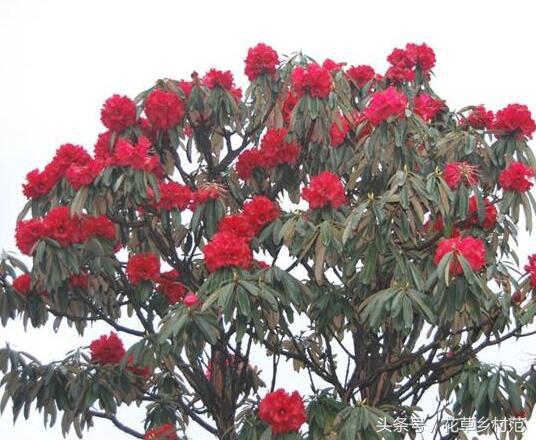
Warm reminder: When potting a new plant, do not press the potting soil too firmly; let it breathe, and do not prune. Wait until the root system is well developed and the terminal buds begin to grow before pruning, so as to promote branching and make the plant shape full and compact.