Detailed Explanation of Key Vegetable Growing Techniques and Methods
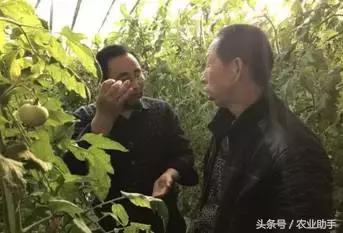
1. The application principles of organic fertilizer and chemical fertilizer cannot be reversed
First, organic fertilizer should be the main input and chemical fertilizer supplementary, so as to achieve high quality and high yield of vegetables.
Second, organic fertilizer must be fully decomposed. Undecomposed organic fertilizer such as chicken manure carries salts and pests and diseases, such as sodium chloride, Phytophthora pathogens, nematode eggs, etc. Applying undecomposed organic fertilizer easily pollutes the soil and affects crop growth.
Third, chemical fertilizer application should avoid using only a single type; it should be reasonably formulated and applied according to the required proportions of different greenhouse vegetables.
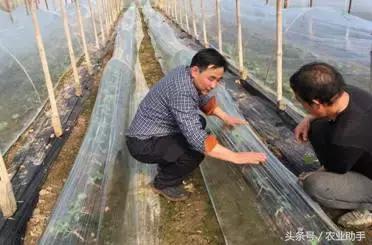
2. The application rates of phosphorus and potassium cannot be reversed
Nitrogen is key to the formation of vegetable plants, while phosphorus and potassium are the main elements affecting fruit setting. Among the factors forming vegetable yield, the ratio of phosphorus to potassium is generally 1:2-3.
During fertilization:
First, pay attention to applying more potassium fertilizer and reasonably combining nitrogen and phosphorus fertilizers, which is especially important after fruit setting;
Second, avoid over-applying diammonium phosphate alone;
Third, reasonably combine biological fertilizers to regulate nutrient supply.
3. The order of building soil moisture by watering and transplanting seedlings cannot be reversed
Some vegetable growers reverse the order of watering to build soil moisture and transplanting vegetable seedlings, causing seedling death.
For example, many vegetable growers first spread organic fertilizer in the greenhouse, then spread chemical fertilizer, then plow, level, form ridges and transplant seedlings, and then water. This easily causes the seedling roots to lose water and can easily cause root burn or ammonia poisoning.
If watering is done first, the fertilizer is dissolved and diluted by the water, so it is not easy to cause root burn and gas damage. Therefore, it is recommended to water first to build soil moisture, then transplant seedlings, and then irrigate the roots with amino acid and humic acid fertilizer liquid. Note: irrigate once every 7-10 days, for 3-4 consecutive times.
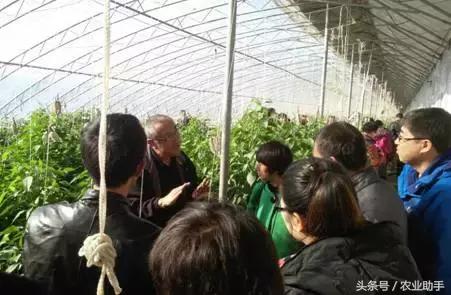
4. The order of pest and disease control, nutritional regulation and watering cannot be reversed
If watering comes first, while pest and disease control and nutritional regulation come later, then on the one hand vegetative growth is excessive and reproductive growth is insufficient, causing in mild cases long internodes, thin leaves and thin stems, and in severe cases flower and fruit drop.
On the other hand, after watering, the humidity in the greenhouse increases, which inevitably speeds up the reproduction of pathogens such as Phytophthora, Pythium and downy mildew, worsening the disease.
Therefore, it is recommended to first use pesticide to prevent pests and diseases, use inhibitors to regulate growth, and then water and fertilize.
For these vegetable growing techniques, we have teacher-led video courses. Farmer friends who want more vegetable and melon-fruit growing techniques can directly add WeChat: 480945716