Detailed Guide to Planting Methods and Care Techniques for Osmanthus
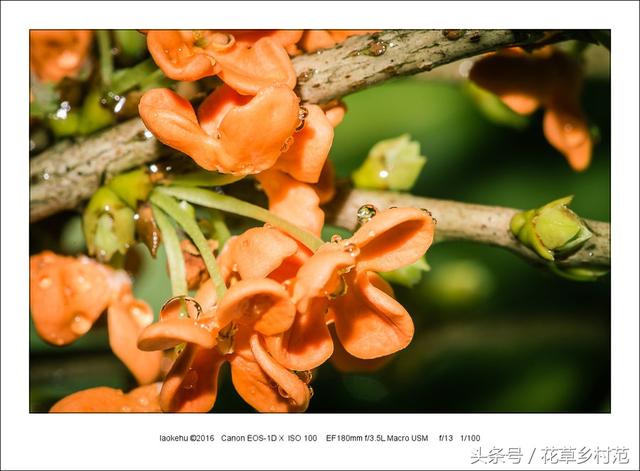
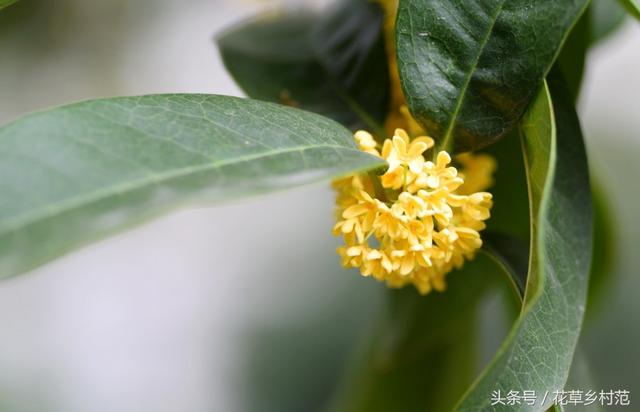
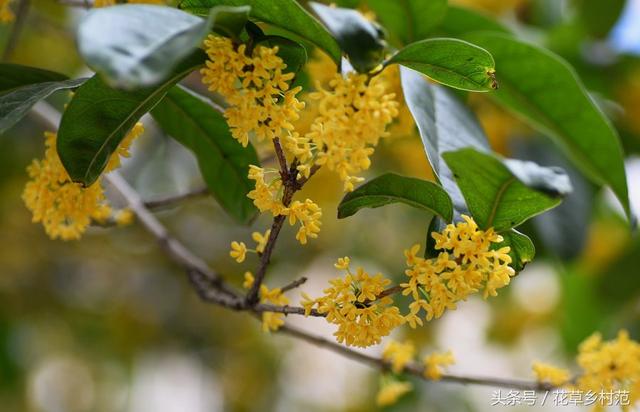
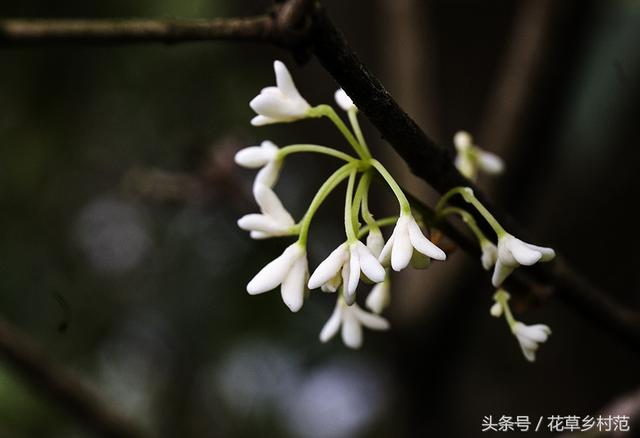
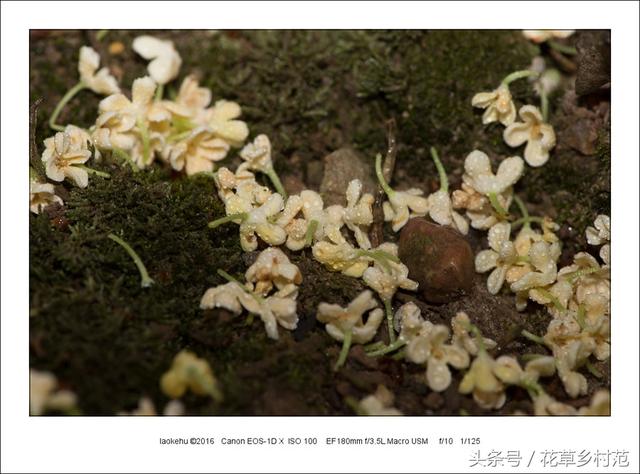 Morphological characteristics: It can reach up to 15 m in height. Because of its strong branching ability and low branching point, it often appears shrub-like. The bark is brownish or grayish-white, with simple opposite leaves, leathery, smooth, dark green, entire or sparsely serrate on the upper half. The flowering period is from September to October, with flowers clustered at the leaf axils in cymes, with a strong fragrance, and the flower color varies by variety. Jingu osmanthus, with deep yellow flowers and the strongest fragrance; Yingui osmanthus, with yellowish-white flowers and the next strongest fragrance; Dangui osmanthus, with orange or orange-red flowers and a relatively light fragrance; Sijigui osmanthus, with lemon-yellow or pale yellow flowers, can bloom multiple times a year, but the fragrance of the flowers is even lighter.
 Growth habits: It likes light and is slightly shade-tolerant, but only under full sun will its branches and leaves be lush and its flowers be dense. It likes warmth and has a certain cold resistance. It has strong sprouting ability and tolerates pruning. It is not strict about soil requirements, and neutral or slightly acidic soil that is fertile, moist and well-drained is suitable.
 Care measures: (1) When planting osmanthus outdoors in a courtyard, spring or autumn should be chosen, and planting on cloudy or rainy days is best. Choose a ventilated, well-drained and warm place, and make a soil ball when transplanting to ensure the survival rate. The planting soil should be acidic and alkaline soil should be avoided. Before ground planting, plant ash and organic fertilizer should first be mixed into the planting hole, and after planting, water once thoroughly. Keep the soil moist before new branches emerge, and do not apply fertilizer water. Generally, apply nitrogen fertilizer once in spring, and phosphorus and potassium fertilizer once in summer, so that flowers are abundant and leaves are lush. Before winter, apply overwintering organic fertilizer once, mainly decomposed cake fertilizer and barnyard manure. For shaping and pruning, remove other overly dense branches, long branches, crossing branches, and diseased or weak branches to improve ventilation and light penetration.
(2) For potted osmanthus, the potting soil ratio is 2 parts leaf mold, 3 parts garden soil, 3 parts sandy soil, and 2 parts decomposed cake fertilizer. Mix them evenly, then pot orrepot, which can be done before spring sprouting. During care, if the plant is placed in a sunny and ventilated environment, apply fertilizer once every 10 days, and appropriately increase phosphorus fertilizer, and the plant will become full and rounded. Potted osmanthus should be moved into a low-temperature greenhouse in winter in the north, and attention should be paid to ventilation and light transmission indoors, with less watering. After being brought out in April, the water amount can be appropriately increased, and an appropriate amount of dilute fertilizer water can be applied during the peak growth season, and the fertilizer water can be slightly stronger during the flowering season. Sijigui is suitable for home potted ornamental viewing because of its beautiful tree shape and blooming in all four seasons.
Warm reminder: When overwintering potted osmanthus, avoid high temperatures and coal smoke pollution, otherwise it is prone to leaf drop and affects flowering the next year.
The editor has something to say: The articles are all originally written by the editor, so there may be typos, and I hope everyone will be understanding. Looking at the comments, most are asking about fertilizing. The editor has to write many articles every day and has no time to reply to everyone's questions one by one, but later I will publish detailed articles on fertilizing and pest control. Thank you all for your support.