Detailed Guide to Osmanthus Planting Methods and Care Techniques
Osmanthus Planting and Care Techniques
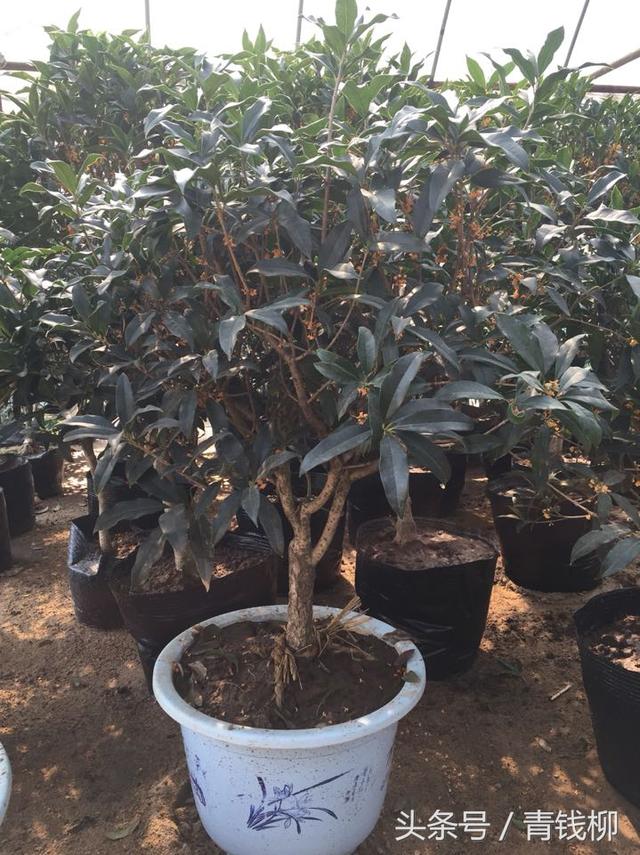
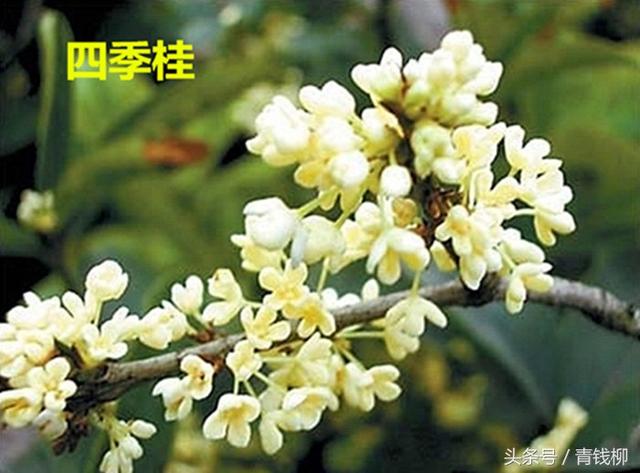
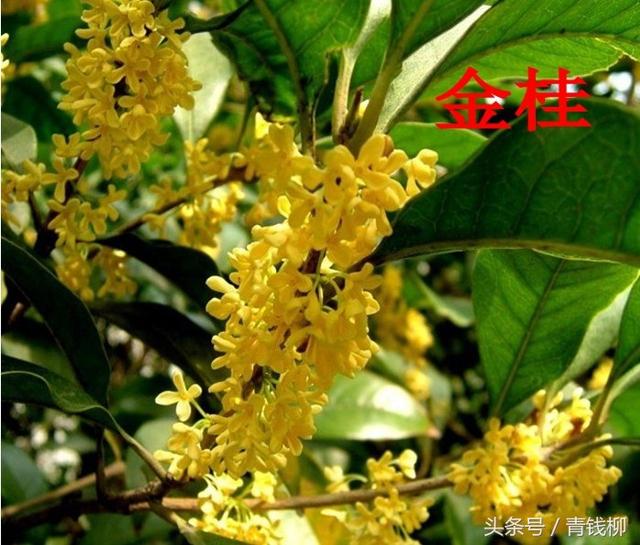
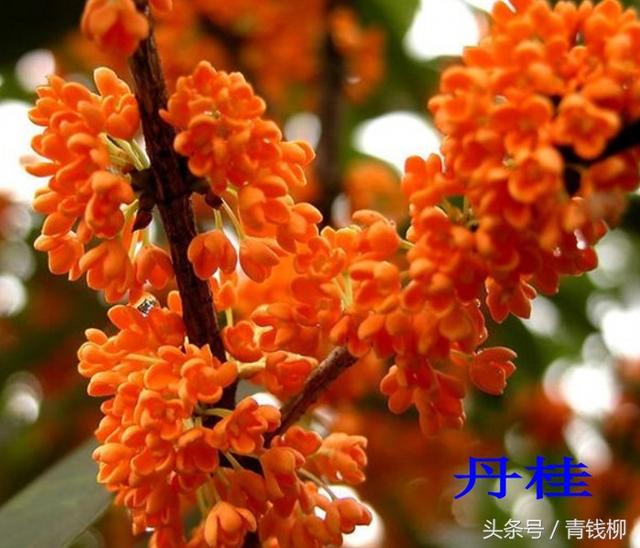
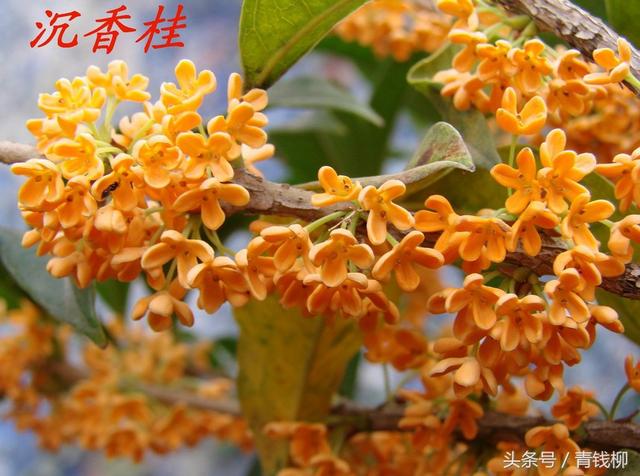
Osmanthus, also known as muxi, is an evergreen tree of the family Oleaceae, widely grown in open ground south of the Yellow River and in the southwestern region of Guangdong. Osmanthus is a long-day plant, preferring to grow in sunny spots with deep, fertile soil and good drainage. The soil should be slightly acidic, with a pH of 5.5-6.5; it dislikes alkaline soil and is intolerant of waterlogging and coal smoke. In the north it must be grown in pots and overwintered in a cool greenhouse; a temperature of around 0 degrees C will not harm potted osmanthus. Osmanthus is a tree species with very high ornamental value in Chinese gardens. Common cultivars include Jingu (golden osmanthus), Yingu (silver osmanthus), Dangui (red osmanthus) and Sijigui (four-season osmanthus), among which Jingu has the highest economic value.
I. Seedling Propagation Techniques
Osmanthus is usually propagated by cuttings, grafting and layering.
1. Nursery Site SelectionThe nursery site should preferably be well-drained sandy loam or light loam; if the soil is too clayey, some sand should be mixed in to adjust the soil texture. To prevent damping-off and root rot, pesticides should also be sprayed when preparing the beds to disinfect the soil. The cutting bed should be slightly raised and drainage must be unobstructed; practice has shown that waterlogging after rain most easily causes cuttings to rot, and timely drainage is especially important before the cuttings have rooted.
2. Setting Up the Plastic Tunnel and Shade FrameClosed propagation, in simple terms, means a frame within a frame, that is, a plastic tunnel inside a shade frame. The cutting bed is 1.10 m wide (with an actual usable width of 1.0 m). Bamboo strips sharpened at both ends are inserted in an arch shape, with 0.5 m from the bed surface to the top of the arch. To keep the arched bamboo strips taut, the arches should be tied together with thin bamboo. The sides of the plastic film tunnel are pressed firmly with soil, leaving no gaps, but the two ends of the tunnel need not be sealed shut and can be opened and closed freely to prevent air leakage. Double-layer reed curtains should be laid over the plastic tunnel. The shade frame is 1 m high, so there is a 50 cm space between the plastic tunnel and the reed curtains, which facilitates air circulation and lowers the temperature inside the tunnel. In addition, a single layer of curtain should be hung around the sides of the plastic tunnel to block sunlight from the sides.
3. Cutting TimeMid-May to late June is the most suitable period (for autumn cuttings, mid-August to late September). Some places believe that since osmanthus sprouts new shoots in early spring, cuttings can be taken as early as April, but practice has shown that although the cuttings are more lignified at that time, both air and soil temperatures are relatively low, so they root with difficulty after cutting and the cuttings tend to rot and deteriorate.
4. Selection and Treatment of CuttingsUse tender shoots that sprouted in the current year for cuttings. To make the cuttings robust and plump, fertilizer and water management must be carried out on the mother trees during winter. One to two months before collecting cuttings, apply quick-acting fertilizer 2-3 times to promote shoot growth; if the spring is dry, irrigation should also be provided. Practice shows that plump, well-filled shoots readily form root primordia, root quickly and have a high survival rate, while thin, weak shoots do the opposite. The cuttings should be 8-10 cm long. After cutting, the cuttings should be quickly placed in a ventilated, shady indoor spot and promptly misted with water to moisten the leaves and keep them fresh. When trimming the cuttings, 5-6 top leaves should be retained; to avoid overcrowding during insertion and to prevent leaves from overlapping, the leaves can be cut in half. Osmanthus cuttings mostly root at the nodes and root less between nodes, so the portion inserted into the soil should preferably retain 1-2 nodes; if the base end of the cutting happens to be at a node, rooting is even more favorable. Treating cuttings with naphthalene acetic acid is an effective measure to promote early and rapid rooting in osmanthus. A quick dip in a 500 x 10-6 concentration naphthalene acetic acid solution before cutting results in rooting 7-8 days earlier than no treatment.
5. CuttingInsert the cuttings halfway into the soil, with a plant and row spacing of 6 x 10 cm, inserting 200 cuttings per square meter. If they can be moved out immediately after rooting, the density can be further increased to make full use of the plastic tunnel. The regenerative capacity of osmanthus vegetative organs is the physiological basis for propagation by cuttings. Before rooting, osmanthus cuttings first form root primordia, then grow adventitious roots. Rooting of the cuttings does not occur at the callus tissue but is concentrated at the nodes, with a few roots forming in the cortical area between nodes. On average, each plant produces 19 lateral roots, of which 13 root at the nodes and 6 root in the cortical area between nodes. If roots form at two nodes, more roots form at the lower node than at the upper node. Like other tree species, osmanthus also forms callus tissue. The callus tissue is located at the base end of the cutting, forming a tumor-like protrusion between the cortical area and the xylem, and it forms 15-20 days after cutting; if not treated with naphthalene acetic acid, callus formation may be delayed. About 7-10 days after the callus tissue has stabilized, new roots begin to form.
II. Main Care Periods
There are mainly 3 important periods in osmanthus tree care.
1. Low-Temperature PeriodThis mainly refers to December to February of the following year. During this period, the osmanthus tree carries out vegetative growth and reproductive growth simultaneously, with tender shoots and flowers in the leaf axils appearing continuously. When the average temperature is above 7 degrees C, the branches begin to grow young flowering branch inflorescences and vegetative branch inflorescences. The leaves of flowering branch inflorescences are reduced, the branches are 1-5 cm long, and bear 20-30 flower buds of various sizes. Vegetative branch inflorescences have 2-8 leaves and bear 6-20 flower buds of various sizes, distributed separately in the leaf axils of purplish-red tender branch tips. At the same time, flower buds already formed in the leaf axils of lignified branches also open one after another as axillary flowers, all in cyme form. The flowers in this period are white, 4-6 mm in diameter, with a slightly fainter fragrance.
2. Suitable-Temperature, Full-Bloom PeriodThis mainly refers to March to April and September to November. In March and April, temperatures rise again, and at this time axillary flowers and tender-shoot flowers open simultaneously, with the fragrance becoming stronger. In September, when the temperature drops to around 20 degrees C, the new shoots gradually lignify, and lignified axillary inflorescences become dominant. The multiple compound-bud inflorescences borne oppositely in the leaf axils of lignified branches bloom one after another, and full bloom continues. At this time the flowers are pale yellow, 6-10 mm in diameter. Because the flower quantity is relatively large and the temperature is suitable, the amount of aromatic substances released is also large, so the fragrance is very strong.
3. High-Temperature PeriodThis mainly refers to May to August. When the temperature is above 22 degrees C, the summer shoots that have already produced flower buds (buds) experience rapid vegetative growth due to the high temperature, and the flower buds are inhibited; young shoots and new shoots produce buds but no flowers. When the temperature is above 25 degrees C, the flower buds disappear, and new shoots and young shoots have neither buds nor flowers. However, if rainy weather occurs, axillary flowers may still appear, and on the old main and lateral trunk stems of mature trees, a small number of adventitious flowers still open. This period is the light-flowering season for Rixianggui (fragrant four-season osmanthus), but because the temperature is relatively high, the axillary flowers and adventitious flowers that appear have a very rich and lingering fragrance.
The ecological characteristics of Rixianggui can be summarized as follows: it is most suitable for planting in places with an annual average temperature of 10-15 degrees C, a minimum temperature of -2 degrees C, and an extreme maximum temperature not exceeding 25 degrees C. It prefers a sunny, cool, humid climate, has wide adaptability and strong stress resistance, and grows well in neutral to slightly acidic soil rich in organic matter, with luxuriant branches and abundant flowers. It can be used not only as a landscaping tree species but also cultivated as a spice plant and medicinal plant.
III. Care Techniques
1. Watering and DrainageWatering of osmanthus is mainly done within 1 month after planting and in the summer of the planting year. Newly planted osmanthus must be watered thoroughly, and watering should be carried out as appropriate according to weather conditions and site conditions. If conditions permit, water should be sprayed on the tree canopy to maintain a certain air humidity and reduce water evaporation from the saplings. In addition, to promote earlier flowering in osmanthus, in mid-September when the flower buds begin to swell, an appropriate amount of water should be given to keep the soil moist. Large osmanthus saplings do not need heavy watering during normal care; appropriate watering during particularly dry summer and autumn seasons is sufficient. Osmanthus is not tolerant of waterlogging; poor drainage can cause extensive leaf drop, root rot and even death. Timely drainage or transplanting of waterlogged plants, along with adding a certain amount of sand when replanting, can promote new root growth.
2. Rational FertilizationThe principle of "light fertilizer applied frequently" should be followed, mainly with quick-acting nitrogen fertilizer, and medium and large saplings should be fertilized three to four times a year. In early spring, the root system is already active and absorbing fertilizer before the buds begin to swell. Therefore, in early spring, organic fertilizer can be applied within the tree disc to promote spring shoot growth. Spring shoots are the flowering branches of the coming autumn; if the spring shoots grow vigorously, there will be more flowers in the future. After osmanthus flowers in autumn, in order to restore tree vigor and replenish nutrients, inorganic fertilizer or miscellaneous waste compost should be applied before early winter. During this period, fertilizer can be applied once or twice according to the growth of the osmanthus. For newly transplanted osmanthus, due to root damage, the absorption capacity is weak, so topdressing should not be applied too early. The base fertilizer in the transplanting pit should be mixed evenly with the soil before backfilling; the roots should not come into direct contact with the fertilizer, so as to avoid root injury and effects on the survival rate. Fertilizer must be applied where the root system can absorb it. The root system of seedlings is concentrated and transplanting easily survives, so nursery fertilization should not be too far from the crown of the seedlings, otherwise the root system will extend outward. However, it should also not be applied directly under the trunk, as this is likewise unfavorable for fertilizer absorption.
3. Shaping and PruningPruning osmanthus is an important measure for cultivating single-trunk osmanthus. Timely and rational pruning can improve ventilation and light penetration, strengthen photosynthesis and reduce pests and diseases, thereby enabling osmanthus to grow quickly, have a straight trunk and a beautiful tree shape. (1) Bud removal: when osmanthus sprouts, buds on the main trunk and at the base can also sprout; useless buds on the lower part of the main trunk should be removed in time so that water and nutrients are concentrated and the development of upper branches is promoted, forming an ideal tree shape. (2) Branch thinning: to cultivate single-trunk osmanthus, from the seedling stage onward the main trunk should be consciously trained to be straight, a certain clear trunk height should be maintained, and useless branches should be cut off; generally, the clear trunk height of a mature osmanthus is about 1.5 m. (3) Heading back: cut off the overgrown top branches so that the height of the osmanthus is maintained at about 3.5 m and the crown width at 2.5-3 m. When transplanting osmanthus, in order to maintain a complete tree shape, heavy pruning is not advisable; it is only necessary to cut off dead, diseased and pest-infested branches, thin out overlapping, crossing and weak branches, and control overgrown branches.