Detailed Explanation of Mung Bean Planting Methods and Technical Key Points
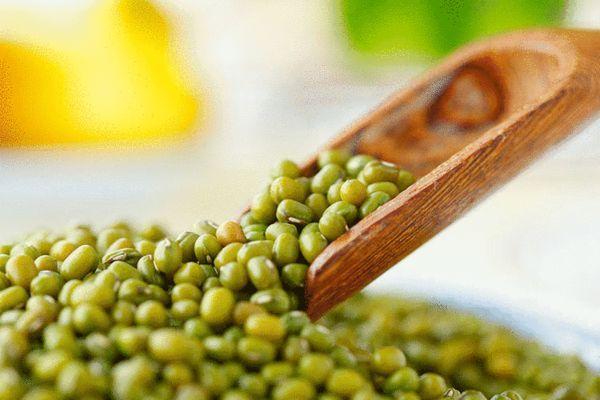
In recent years, mung bean prices have been on a roller coaster ride, with netizens calling it "just teasing you." When mung bean prices were high, it also stirred up farmers' enthusiasm for planting mung beans. So how do you grow mung beans well?
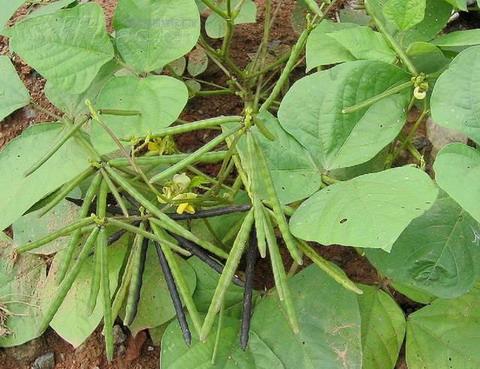
First, you need to choose a good variety. Be sure to select varieties with large grains, thin skins, a low hard-seed rate, that cook easily and soften well, and that have good taste and high yield potential. From sowing until emergence, press the soil down promptly to increase moisture in the surface soil layer and promote early and complete emergence of the seeds; this applies to plots with poor soil moisture at sowing, more clods, and relatively sandy soil.
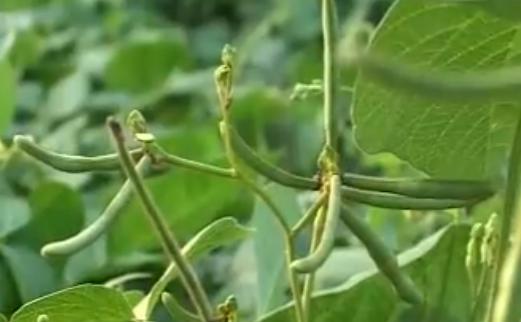
Second, seize the right timing for watering and fertilizing. Water once before flowering to promote the number of pods per plant and the number of seeds per pod; watering during the pod-setting stage increases grain weight and extends the flowering period. In areas where water can only be applied once, watering should be done at full bloom. At the early flowering stage, topdress in combination with watering, applying 20-25 kg of compound fertilizer per mu; on dry slope land, supplemental fertilizer should be applied after rain. During the pod-setting stage of mung beans, foliar topdressing can be carried out in combination with pest and disease control.
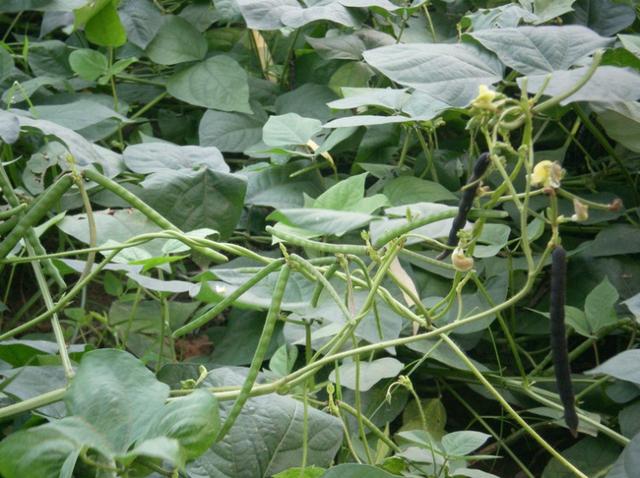
Third, do a good job of controlling mung bean pests and diseases. Be sure to choose highly effective, low-toxicity, low-residue pesticides and biological pesticides to ensure mung bean quality.