A detailed guide to celery growing techniques, the whole process from sowing to harvest
Balcony vegetable gardening: today I will share with you some techniques for growing celery on a balcony.Celery is a vegetable variety that the people of our country love to eat. Celery is a high-fiber food. Through digestion in the intestines, it produces a substance called lignin or enterolactone; this type of substance is an antioxidant. Eating celery often, especially eating celery leaves, is very beneficial for preventing high blood pressure, arteriosclerosis, and similar conditions, and also has an auxiliary therapeutic effect. Celery prefers a cool, moist climate and is a semi-cold-tolerant vegetable; it is not tolerant of high temperatures. The minimum temperature for seed germination is 4°C, and the optimum temperature is 15-20°C. Seedlings can tolerate low temperatures of -5 to -7°C. It is a green-plant vernalization type plant. Seedlings with 3-4 leaves pass through the vernalization stage under temperature conditions of 2-10°C after 10-30 days, and the optimum temperature for completing vernalization is 12-13°C. In the Hangzhou area, it can be cultivated in spring and autumn, mainly in autumn. The cultivated varieties include Hangzhou green celery and yellow-heart celery.
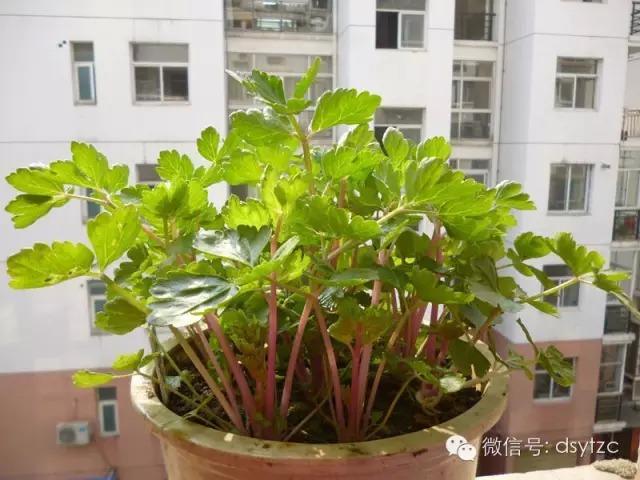
Cultivation method: Celery is suitable for direct seed sowing to grow seedlings. Generally, for spring cultivation, seedlings are raised in a greenhouse from February to March, transplanted in late April, and harvested from late May to early July. For autumn cultivation, seeds are sown to raise seedlings from mid-June to early July, spring planting is set from mid-August to early September, and harvest is from October to November. 7-8 days before sowing, seeds can be soaked to promote germination; once the seeds show sprouts, they can be sown. The wet sowing method is mostly used, that is, first water the bottom, and after the water seeps in, mix with sand and broadcast the seeds. After sowing, cover with soil thinly and evenly. Generally, a small amount of water can be given in the morning and evening every 1-2 days until the seedlings emerge completely. For spring and autumn sowing, a shade shed may not be built; small amounts of water should be given frequently to help seedling emergence. Water cannot be lacking during the growth period; generally, water once every 5-7 days. When spring temperatures are relatively low, the amount of water should be small and the interval between waterings longer; during the vigorous growth period, the water requirement is high, and the soil should be kept moist. Celery needs more nitrogen fertilizer, so one fertilizer application should be given in time one week after seed germination; after that, no more fertilizer is applied during the growth process.
Harvesting: Harvesting before the flower stalk has grown out, or using the leaf-splitting harvest method, can both reduce the harm of premature bolting. Do not wait until the bolting plants are old to harvest.
Please retain when reposting: WeChat public account: dsytzc
(Text/Vegetable Gardening Editor: caiba_org / WeChat public account: dsytzc)