What are the key points to note in rice cultivation?
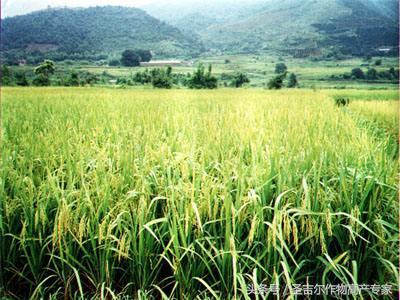
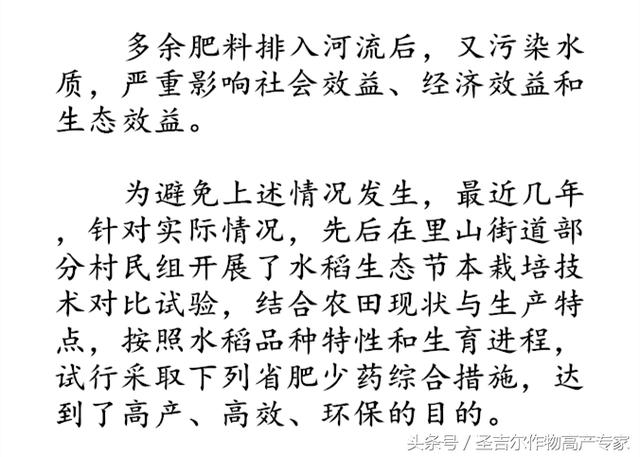
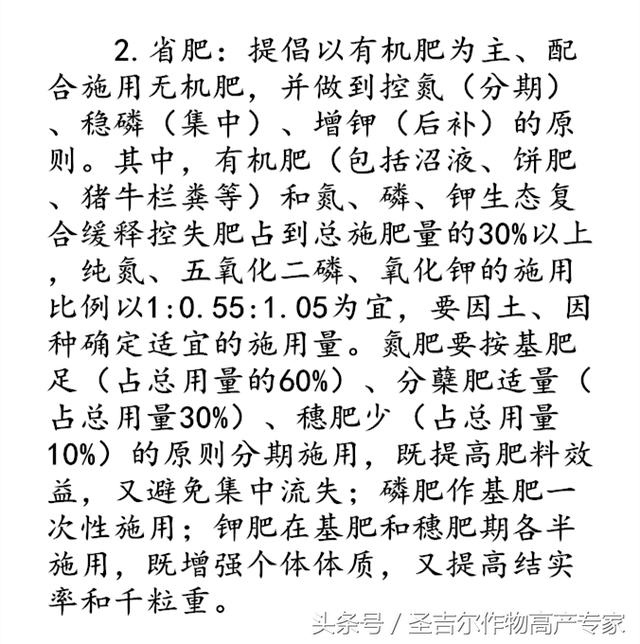
People growing rice sometimes find that applying nitrogen fertilizer or other fertilizers does not have a very noticeable effect, and sometimes it even does more harm than good, while the cost is very high. It makes the seedlings grow excessively during the growth and development stage, intensifying the occurrence of pests. In the later stage, it is even more prone to delayed maturity, easy lodging, and a higher number of empty and shriveled grains, causing severe yield reduction in rice.
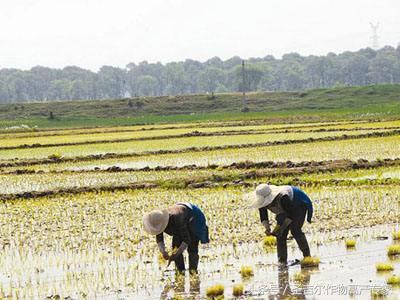
3.3. Weed control. 7-10 days before transplanting the rice seedlings, fill the plowed and leveled paddy field with water and spray an appropriate amount of butachlor, which can suffocate and kill various weeds; 5-10 days after transplanting the rice seedlings, herbicides such as Tiancaoguang and thiobencarb emulsifiable concentrate can be mixed with urea and fine sand and broadcast to control weeds.
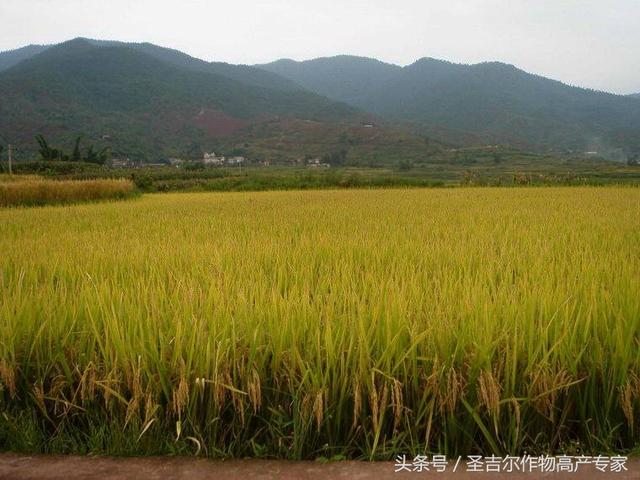
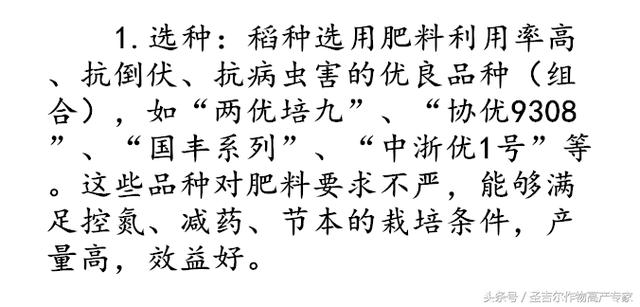
Through the comprehensive application of the above measures, the nutrient requirements for rice growth are met while the harm from diseases, pests, and weeds is controlled, achieving the goals of increased growth, improved efficiency, and environmental protection.
Of course, in this project, some details and issues related to specific operations still need to be continuously explored and improved in future work.