Potted Fig Growing Methods and Tips
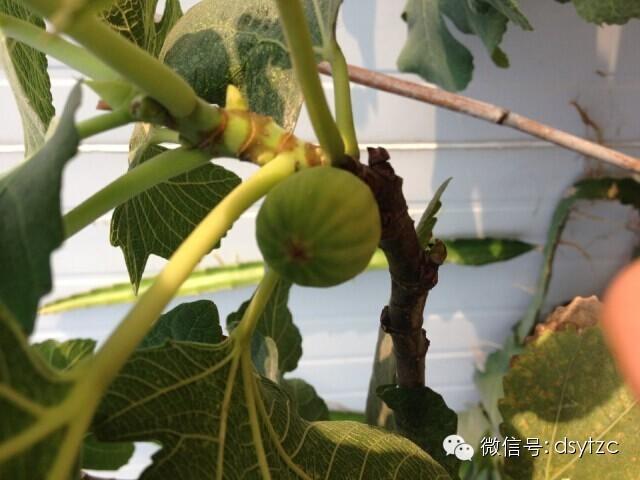
The fig, also known as "Tianshengzi" (born-of-heaven fruit), has high nutritional value: it not only helps detoxify the body and suppress blood sugar, but also contains a variety of anti-cancer substances. Therefore, together with the miracle fruit, it is hailed by fruit-growing enthusiasts as one of the two most worthwhile balcony fruits to grow.
Planting in Pots
The size and quality of the container determine the volume and growth vigor of the potted root system. The fig is a shallow-rooted fruit tree. When growing figs on a balcony, a clay ceramic pot with a diameter of 40-50 cm and a depth of 25-30 cm is usually the most suitable choice. In addition, the fig is not demanding about soil conditions; it grows best in deep, fertile, loose, well-aerated soil that is neutral to slightly alkaline. Therefore, the potting soil can be made by mixing 2 parts sandy loam soil, 1 part vermiculite, and 1 part barnyard manure, or by mixing 2 parts garden soil, 2 parts peat, and 1-2 kg of compound fertilizer. The potting time can be chosen as mid-to-late March. Before potting, it is best to place a tile over the drainage hole at the bottom of the pot.
Fertilizer and Water Management
In early June, apply a top dressing of diammonium phosphate or monopotassium phosphate, about 0.3 kg, dissolve it in water, and pour the fertilizer liquid evenly into the pot. In late August, apply a top dressing of compound fertilizer containing nitrogen, phosphorus, potassium, and trace elements, about 0.5-1 kg. In early June, foliar spraying of paclobutrazol can be done: dilute paclobutrazol to a 300-500 times solution, spray once every 15 days, for 2-3 consecutive sprays. This can inhibit new shoot growth, shorten internode spacing, make the branches sturdy, and promote flower bud differentiation and fruit development. Shulou Xiaoyu specially reminds that the fig tree is drought-tolerant and waterlogging-tolerant, so water management can be somewhat extensive; watering should not be excessive, especially during the fruit ripening period, as too much water will worsen fruit cracking.
Shaping and Pruning
Because the fig tree grows at an astonishing rate, potted figs should be given special attention in shaping and pruning. When pruning, first, the plant should be short: after potting, it should be cut off at 15-20 cm on the seedling trunk. Second, vegetative growth should be controlled to cultivate a compact tree shape with dense branching and short branches. Fig branches are divided into long branches, medium branches, and short branches, all of which can bear fruit; flower buds differentiate from the leaf axils at the base of the petiole and develop into fruit. Shulou Xiaoyu suggests that in May and June, during the peak growth season of the fruit tree, pruning methods such as pinching, bud removal, and branch bending should be used to control excessive branch growth, so as to cultivate medium and short branch groups with short internodes and sturdiness, and increase fruit-bearing density.
Daily Care
Place the potted tree in a spot with good light and ventilation as much as possible, preferably where direct light can reach it, such as a sunny balcony or a sunny spot in the courtyard.
(Text/Caiba Editor: caiba_org)