What are the steps for planting rapeseed? This article explains it all clearly
Choosing good seed
Select varieties that are high quality, disease-resistant, high-yielding and resistant to bolting, such as Xiao Qing Cui, Hua Guan, Jing Lv No. 2 and others.
Applying sufficient base fertilizer
Generally, per mu apply 3000-5000 kg of high-quality fully decomposed farmyard manure, 20-25 kg of diammonium phosphate, 10-15 kg of potassium sulfate, or 40-50 kg of 45% ternary compound fertilizer.
Seed treatment
Before sowing, place the seeds in a spot with ample sunlight to dry for 3-4 hours, then soak the seeds in 50°C warm water for 20-30 minutes, then soak in 20°C-30°C water for 2-3 hours, and sow directly after drying; or place them under 15°C-20°C conditions for germination, with buds emerging uniformly after 24 hours before sowing.
Fine sowing
Generally sow in late March, using about 350 grams of seed per mu. Before sowing, water to create moisture according to soil moisture conditions, and sow after the water has seeped in. When sowing, open 5 furrows in a 1 m wide bed, with a furrow depth of 1.5-2 cm, and sow the seeds evenly in the furrows.
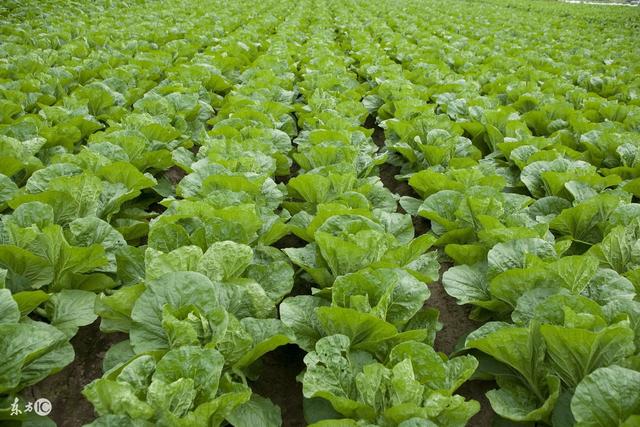
Field management and care
When two needle leaves have unfolded (2 leaves and 1 heart), do the first thinning, with a seedling spacing of 3-4 cm; at 4 leaves and 1 heart, do the second thinning (final thinning), with a seedling spacing of 8-10 cm, leaving about 40,000 plants per mu. Water demand is relatively low at the seedling stage, so generally do not water unless dry. After final thinning, water 3-4 times during the growth period, and choose sunny mornings for watering. About 15 days before harvest, apply 1 topdressing, with 20-25 kg of urea or 20 kg of ammonium sulfate per mu.
Clearing ditches and draining waterlogging
In areas with more spring rain, pay attention to drainage. Waterlogging not only seriously affects the normal growth and development of rapeseed, but also easily leads to the occurrence and spread of diseases such as sclerotinia. Therefore, in spring, special attention should be paid to clearing ditches and draining waterlogging in rapeseed fields, especially cold-soaked fields in mountainous areas and some fields with poor drainage.
Spraying boron fertilizer
Soil is generally deficient in boron. Boron deficiency in rapeseed can cause flowers without seeds and re-flowering, so attention should be paid to spraying boron fertilizer. There are three ways to apply boron fertilizer: basal application, topdressing, or foliar spraying. For those without basal boron fertilizer application, spray on the leaves during the bud and bolting stage and early flowering stage; for those with severe soil boron deficiency and no basal boron fertilizer application, spray boron fertilizer once at the rapeseed seedling stage. For spraying boron fertilizer, generally use 100 grams of borax per mu, dissolve it in warm water, then dilute with about 50 kg of water and spray.