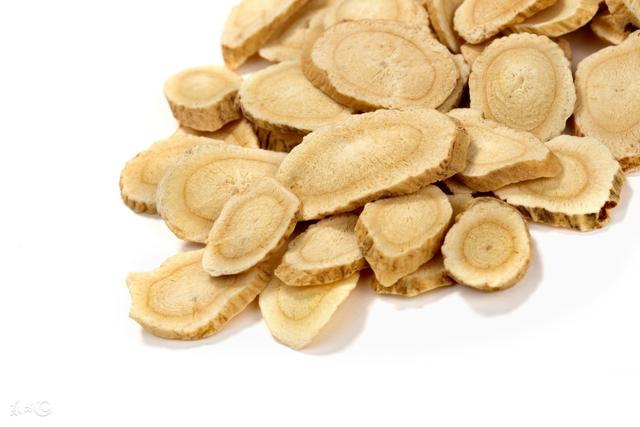
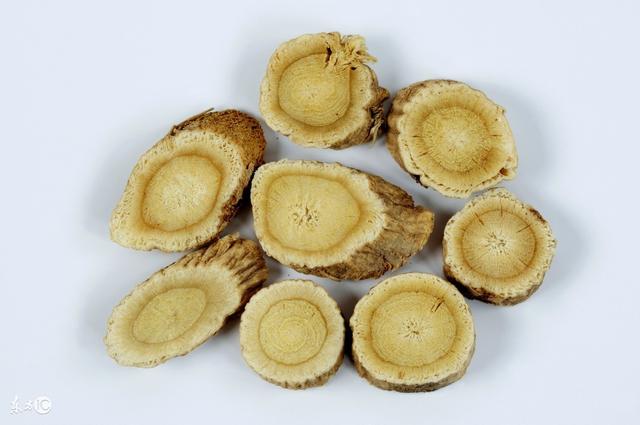
How to grow Astragalus? Detailed guide to cultivating the Chinese medicinal herb Astragalus
Astragalus is a famous traditional Chinese medicinal herb in China and an important export earner. Its medicinal nature is mild, and it can both dispel pathogenic factors and support healthy qi. It is a sovereign tonic for replenishing qi and securing the exterior, and is widely used in clinical formulas or daily health care. There are more than 200 kinds of Chinese patent medicines made with Astragalus as a raw material, including honey pills, water pills, capsules, tablets, decocted paste, and alcoholic preparations. Among them, Shiquan Dabu Wan, Renshen Guipi Wan, Anshen Yangxin Wan, and Xiaoke Wan are all tonic medicines with a long history of use.
Cultivated Astragalus generally yields 200-300 kg per mu, with income reaching 3000-4500 yuan, more than twice that of growing conventional crops. At the same time, Astragalus grows in desert areas, is drought-resistant and cold-resistant, highly adaptable, and stable in yield, making it suitable for production in arid and semi-arid areas.
I. Land selection and land preparation
Astragalus is a deep-rooted plant. The cultivation site should be chosen with deep soil layers, loose and fertile soil, good drainage, high and dry terrain, sunny exposure, and neutral or slightly acidic sandy soil at an altitude above 600 m. Both flat land and hillside land can be used for planting. Sites with a high groundwater table, high soil moisture, tight and sticky soil, or low-lying, waterlogged clay or poor gravelly soil are all unsuitable for growing Astragalus.
After selecting the land, carefully prepare it, deepen the plowing to improve the soil, and during land preparation apply 2500-3000 kg of farmyard manure, 25-30 kg of superphosphate, and 100 kg of cake fertilizer per mu. Practice has shown that deep plowing can thicken the active soil layer, mature the soil, enhance the soil's water storage and moisture conservation capacity, improve soil aeration, promote microbial activity, accelerate the decomposition of organic nutrients, increase soil fertility, and benefit root growth. At the same time, deep plowing combined with increased application of organic fertilizer to build up soil fertility is an effective measure for achieving high Astragalus yields.
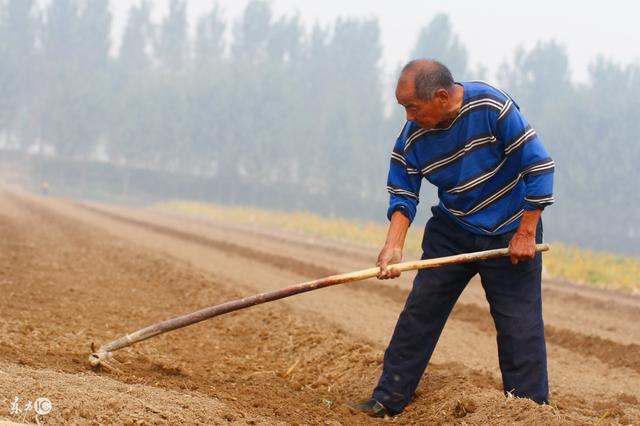
For land preparation, autumn plowing is preferable, generally to a depth of about 50 cm. After preparation, harrow and level promptly, remove field weeds, stones and residues, and break up clods so that the ground is level and the soil is fine. Before planting, plow and harrow twice more. After leveling and harrowing fine, make high beds or ridges. The bed height is 25 cm, width 1.2 m, and ditch width 40 cm. Shape the bed surface into a turtle-back form and open drainage ditches around it. High-bed cultivation not only thickens and loosens the plow layer and drains well, but also absorbs and releases heat quickly, with a large day-night temperature difference, which benefits Astragalus root development and nutrient accumulation.
II. Propagation techniques
Astragalus can be propagated both by seed and by root crowns, but plants propagated from root crowns have no obvious main root, many lateral roots, thin roots, and poor quality, and the propagation material is limited, so this method is generally not used in production. The following mainly introduces the seed propagation method for Astragalus.
1. Seed characteristics: Astragalus seeds have hardseededness, with the hard seed rate generally 40%-80%. After sowing, the emergence rate is low, so seeds must be treated before sowing to break the seed coat's impermeability and increase the sowing emergence rate.
2. Seed selection: For sowing Astragalus, seeds set by plants more than three years old are preferable. Select superior individual plants with pure variety, no pests or diseases, and robust growth as mother plants. In autumn, when the pods droop and turn yellow-ripe and the seeds turn brown, harvest immediately, collecting as they ripen. After harvesting the pods, thresh, dry, and store them. Before sowing, use water selection and winnowing to remove impurities, shriveled seeds, and insect-damaged seeds, and select plump, brown, glossy seeds for production.
3. Seed treatment: There are three methods, and any one may be chosen. (1) Soaking with alternating water temperatures: A few days before sowing, soak the seeds in 40°C warm water during the day, then switch to cold water at night, treating continuously for three days and nights. After removing them, put them in an earthenware jar, cover with a wet cloth, and place in a warm spot to germinate. They will sprout in 3-4 days and can then be sown. Alternatively, place the seeds in boiling water and stir rapidly for one minute, then immediately pour them into cold water, adjust the water temperature to 40°C, soak for another 2 hours, pour off the water, cover with a wet gunny sack and let them sweat for 12 hours, and sow when the seeds swell or the seed coat cracks. (2) Mechanical injury: Evenly mix 1 part fine river sand with 2 parts seeds, place on a medium-sized millstone, spread to a thickness of 3-4 cm, and grind until the seed coat becomes fuzzy. After grinding, sieve out the seeds, soak in 20°C warm water for one day, pile them in a warm place to sweat, and they will germinate in about 5 days and can then be sown. Be careful not to grind the seeds excessively, otherwise the embryo will be injured, the seeds will be prone to pathogen infection, many seeds will rot after sowing, and the emergence rate will not be high. (3) Treatment: For old, fully mature hard seeds, soak them in a 70-80% solution for 3-5 minutes, then immediately rinse in running water for half an hour, or wash the residual solution off the seeds several times with clean water. Sow after they dry slightly, and the germination rate can reach more than 90%.
4. Sowing: Sow when there is sufficient soil moisture; if moisture is poor, water thoroughly to build up bottom moisture first.
(1) Sowing period: Astragalus can be sown in spring, summer, and autumn. According to the growth and development characteristics of Astragalus, spring sowing is done around "Qingming," no later than "Guyu." Keep the soil moist, and seedlings will emerge in about 15 days. Summer sowing is done in June-July, and seedlings emerge in 7-8 days after sowing. Autumn sowing is generally done around "Bailu." Sowing times differ with local climate conditions and should be handled flexibly. For example, in the south, where temperatures are high, autumn sowing is done in September and seedlings emerge before winter. In the north, where temperatures are low and seedlings have poor resistance and are prone to freezing injury, autumn sowing should be done before the ground freezes so seedlings emerge the following spring. In windy, sandy, and arid areas, it is difficult to ensure full stands with spring or autumn sowing, and spring emergence is prone to pest damage, so sowing in June-July in summer results in uniform emergence and robust seedling growth.
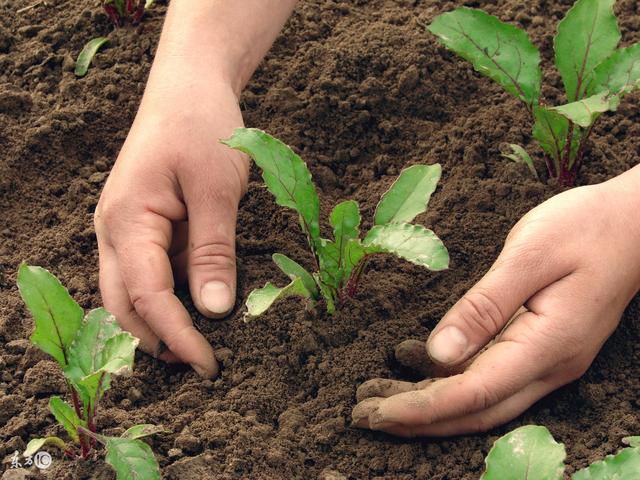
(2) Sowing methods: There are two methods, direct sowing and seedling transplanting. Direct sowing has the advantage of convenient field management and is currently used more in production. However, this method uses a large amount of seed, growth is uneven, and it affects commercial quality and harvesting. Seedling transplanting can save land, and after transplanting the plants grow robustly, the rhizomes grow uniformly, harvesting is convenient, and the commercial quality is good and the yield high, so its use in production has gradually increased in recent years. ① Direct sowing: Generally, hole sowing or drill sowing is used, and broadcasting is also possible. For hole sowing, open shallow holes on the prepared bed surface at a row spacing of 33 cm x 27 cm, sow 4-5 seeds per hole, cover with 2 cm of soil, and use 1-1.5 kg of seed per mu. For drill sowing, open crosswise furrows on the bed at a row spacing of 45 cm, with a furrow depth of 3 cm. At sowing, mix the seeds evenly with plant ash and human manure/urine, spread evenly into the furrows, cover with 1-2 cm of fine soil after sowing, and press lightly. Use about 2 kg of seed per mu. ② Seedling transplanting: Open crosswise furrows on the seedling bed at a row spacing of 20-25 cm, with a furrow depth of 3 cm and a sowing width of 10 cm. Mix the seeds evenly with plant ash and sow evenly into the furrows, cover with 2 cm of soil, press lightly, water thoroughly, and cover the bed with straw to keep warm and moist. When the temperature is 14-15°C and humidity is suitable, seedlings emerge in about 10 days, and 10-15 kg of seed is used per mu. For spring seedling raising, to raise temperature and preserve moisture, it is best to use small arched frames with plastic film for seedling raising, and add straw curtains for insulation when temperatures are low. For summer seedling raising, after seedlings emerge, to prevent sunscald and maintain seedbed moisture, shade frames or black netting must be set up for shading, with about 50% shading being best. On rainy days and at night, remove the shade covering so the seedlings can receive dew.
After the seedlings emerge, strengthen field management, remove weeds promptly, and thin out overly dense and weak seedlings in a timely manner. When seedlings grow to 13-15 cm and roots reach 15 cm, they can be transplanted. Before transplanting, it is best to separate large and small seedlings to prevent large seedlings from suppressing small ones, then open holes at a row spacing of 20-24 cm and plant spacing of 12 cm, planting 1-2 seedlings per hole. If the main root is injured, it easily forms chicken-claw Astragalus, affecting commercial quality. When planting, dig out the whole root, do not damage the roots, let the roots spread naturally and avoid bending, then firm the soil back. Transplanting is best done on cloudy days or in the afternoon and evening of sunny days, and survival rate is higher when transplanted after rain. After transplanting or field planting of seedlings, irrigate or spray water immediately to aid survival. Generally, about 20,000 seedlings are planted per mu.
III. Field management
1. Thinning, final thinning, and gap filling:
Whether by direct sowing or seedling raising, after the seedlings are fully emerged, final thinning should be carried out between rows. Thin early to avoid plants crowding each other, shading one another, and competing for fertilizer and water. Astragalus is generally thinned 2-3 times: the first when seedlings are 6 cm tall, the second when seedlings are 10-12 cm tall, followed by final thinning. For hole sowing, leave 3-4 seedlings per hole; for drill sowing, leave 1 strong seedling every 10-12 cm; for seedling raising, leave 1 seedling every 2-3 cm (the larger seedlings removed can be transplanted while smaller ones continue growing). Remove weak, small, and diseased seedlings and keep strong ones. During final thinning, if there are gaps, replant them. Replanting should be done on cloudy days or in the afternoon or evening of sunny days, using seedlings previously raised or selected from those thinned out. Water carefully after planting. Replanted seedlings tend to branch heavily, so when there are too many gaps, it is best to resow with pre-germinated seeds.
Astragalus uses its root as medicine, and its yield is composed of two factors: root weight per plant and the number of plants per unit area. Cultivation practice in recent years shows that appropriate close planting can increase the leaf area index and appropriately raise Astragalus yield, but root weight declines somewhat and Astragalus quality decreases somewhat. Taking all factors into consideration, the planting density of Astragalus per mu should be about 18,000-20,000 plants. Where fertilizer and water conditions are good, the soil is fertile, and nutrients are sufficient, planting can be appropriately denser; where fertilizer and water conditions are poor and nutrients are insufficient, it should be sparser.
2. Intertillage and weeding:
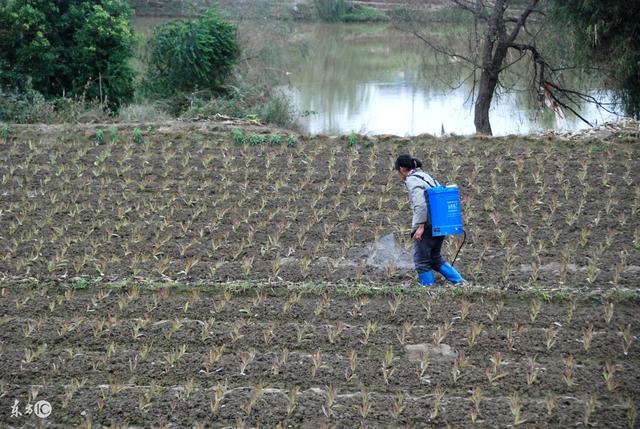
Astragalus seedlings grow slowly, and after emergence weeds and seedlings often grow together. If not attended to, this can easily cause weed infestation, so weeds should be removed promptly. Weeding is generally done together with intertillage. Intertillage can loosen the soil, cut soil capillaries, prevent water evaporation, and play a role in drought prevention and moisture conservation. After heavy rain and prolonged rain, intertillage also plays a role in dispersing moisture and preventing waterlogging. The folk sayings "the hoe holds water" and "the hoe holds fire" refer to this principle. Intertillage is generally carried out 3-4 times per year. When seedlings are about 5 cm tall, carry out the first intertillage and weeding together with thinning; when seedlings are 7-8 cm tall, carry out the second intertillage; after final thinning, carry out the third intertillage, and thereafter according to weed conditions in the field. From the second year onward, intertill once each in April, June, and September. The depth of intertillage is generally based on the principle of shallow during the seedling stage, deep for mature plants, shallow near the seedlings, and deep between rows, so as to avoid injuring seedlings, burying seedlings, damaging roots, or leaving weeds. Hoe finely, hoe evenly, and do not miss any spot.
3. Topdressing:
Astragalus likes fertilizer. In addition to applying sufficient base fertilizer, in order to meet nutrient needs at different growth stages and increase yield, topdress 3 times each year in the first and second years of growth together with intertillage and weeding. The first topdressing is done together with the second intertillage and weeding, and should be light and targeted, applying more to small seedlings and less to large ones, to encourage small seedlings to catch up with large ones and turn weak seedlings into strong ones, achieving uniform, even, and robust seedlings. Generally apply 1000 kg of human manure/urine per mu or 15 kg of ammonium mixed with water. The second is done together with the third intertillage and weeding. Mix 1500 kg of compost, 50 kg of superphosphate, and 10 kg of ammonium evenly per mu, open furrows between rows and apply, then cover with soil. The third is after the seedlings wither in early winter, applying 2000 kg of barnyard manure plus 50 kg of superphosphate and 150 kg of cake fertilizer per mu, mixing evenly and applying to the field, then banking soil to prevent freezing.
4. Irrigation and drainage:
Astragalus consumes little water during the seedling stage. To promote downward root growth, increase root length, and raise Astragalus yield, when sowing with sufficient moisture, watering may be omitted. If bottom moisture is insufficient and the weather is dry, irrigate lightly or by alternating rows, and never flood-irrigate. During the fruiting and seed-maturation stage, if high temperature and drought occur, irrigate promptly as well to promote normal seed maturation, reduce the hard seed rate, and improve seed quality. In the rainy season, excessive soil moisture can cause root rot, so plots prone to water accumulation should be drained promptly to lower soil moisture and facilitate normal root growth.
5. Topping and bud removal: Topping and bud removal can break the growth dominance at the top of the main stem, inhibit Astragalus plant height, control aboveground plant growth, reduce nutrient consumption, promote root growth, and increase Astragalus yield. This is an important part of high-yield Astragalus cultivation, and according to production results, it can generally increase yield by about 15.4%.
Bud removal is generally done in mid-June when flower buds appear, removing them. Usually buds are removed 3-4 times per year. Topping must be done "at the right time." Topping too early will affect aboveground growth, reduce the leaf area coefficient, affect photosynthesis, and lower yield. Topping too late will fail to have the proper effect. According to the growth and development characteristics of Astragalus, the appropriate time for topping is late July.
6. Overwintering management:
Astragalus is a perennial plant. From the withering of the aboveground part and the formation of overwintering buds on the root crown to the breaking of dormancy the following year takes about 180-190 days. Doing this stage of management well is crucial to the growth and development of Astragalus in the second year, so necessary measures must be taken in production to manage overwintering well.
(1) Clean the field: After the aboveground part of Astragalus withers before winter, promptly remove withered branches and fallen leaves, and burn them in a concentrated pile or compost them, to eliminate overwintering sources of pests and diseases and reduce their occurrence the following year.
(2) Fertilize and bank soil: After the seedlings wither in winter, mix 2000 kg of decomposed barnyard manure, 50 kg of superphosphate, and 150 kg of cake fertilizer evenly per mu and spread it flat over the root crowns, then dig deeply to clear the ditches and cover the ditch soil over the fertilizer to prevent the roots from freezing.
(3) Irrigate to prevent freezing: Because water has a relatively high specific heat, irrigation can increase the soil's heat capacity and has a certain anti-freezing effect. Irrigation should be done once thoroughly before "Lidong."
7. Timely harvesting:
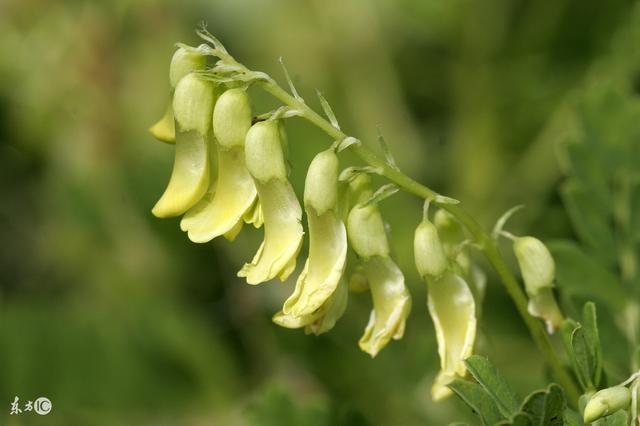
Astragalus can be harvested when it reaches the third year. Harvesting too early results in poor Astragalus quality; if not harvested for years, it is highly prone to black heart or lignification. Harvesting is generally done in autumn when the plants wither, or before they sprout the following spring, because at that time the roots are fully grown and the content of accumulated active ingredients is high, giving high Astragalus yield. When harvesting, dig deeply, do not damage the roots, and prevent breaking the main root, which would affect the yield and quality of the medicinal material. In rainy southern regions, to reduce losses from root rot, it is best to harvest in the same year.