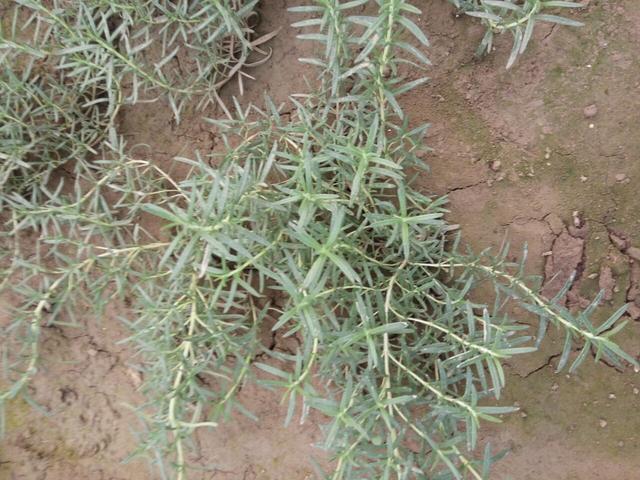
Rosemary Planting Methods and Care Tips
Rosemary is a versatile herb that can be used as a food ingredient, processed into perfume and soap, and even made into an insect-repellent spray. Since it is so versatile, do you know how to grow it?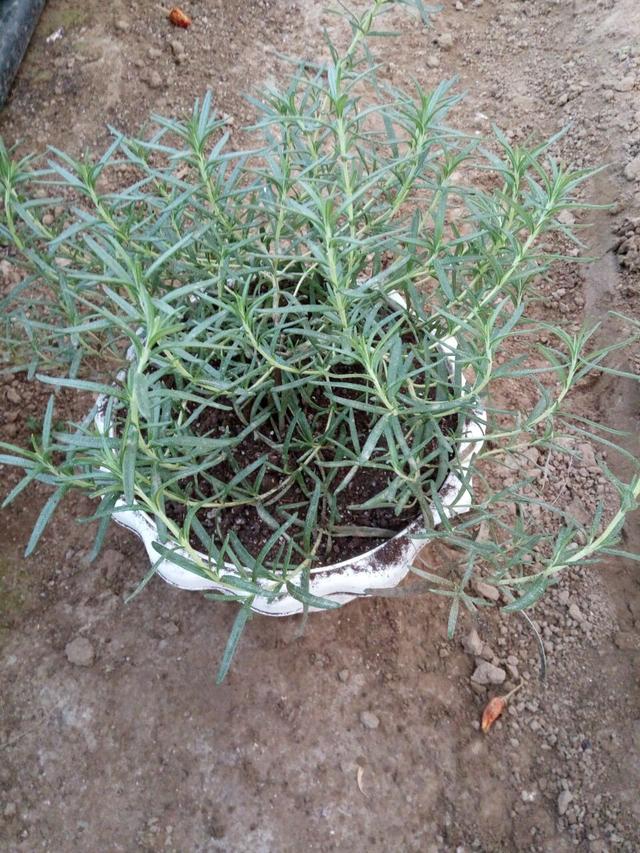
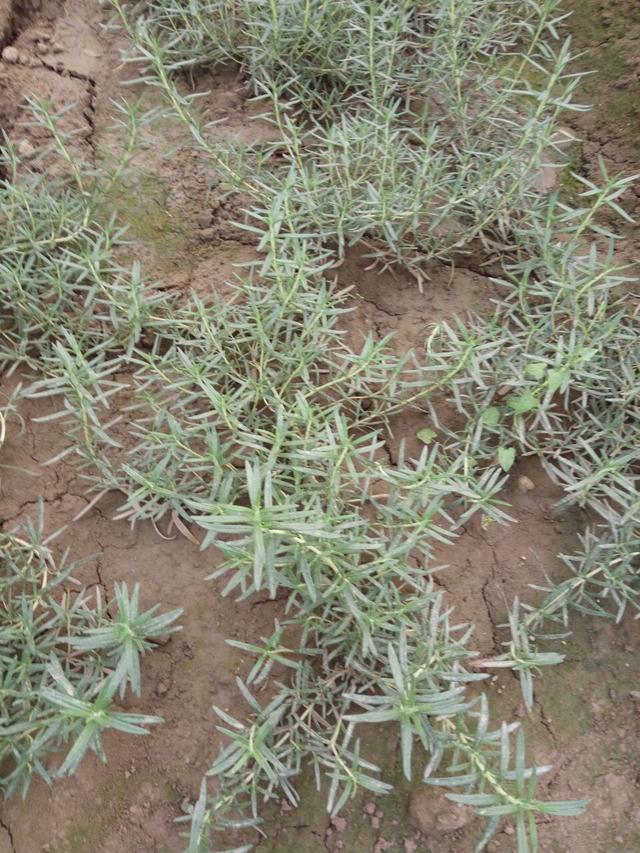
When it comes to growing rosemary, seedling propagation is the biggest problem. If you use seeds directly, it is very difficult to grow rosemary seedlings, so we choose the simplest propagation method: cuttings. Select relatively thick stems and cut them into 8-10 cm slanted pieces, soak them in carbendazim, then insert them into a 50-cell plug tray filled with seedling substrate, spray with water, and place them on the seedbed.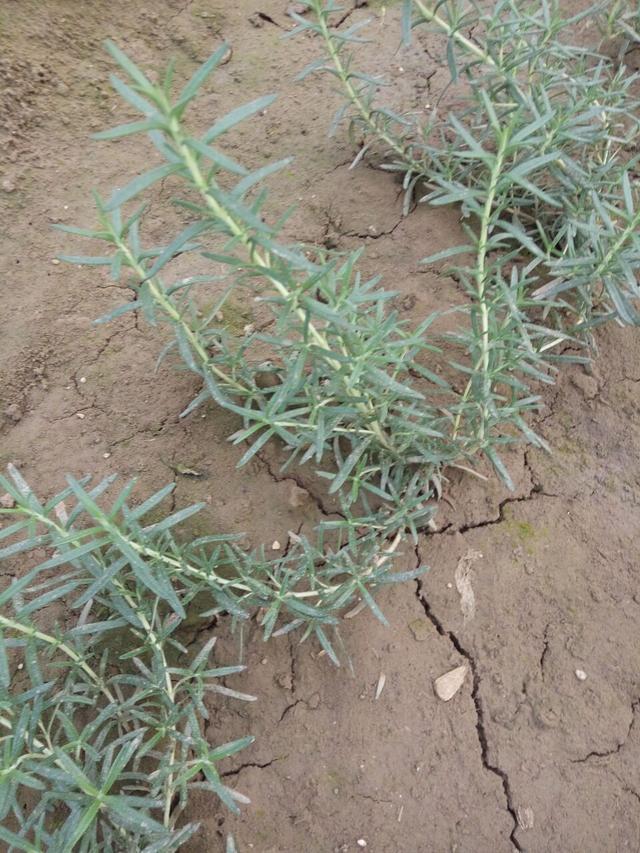 Maintain them on the seedbed for about 20 days. Once the cuttings have grown roots, they can be transplanted. First transplant them into the ground with a plant spacing of 20 cm and a row spacing of 30 cm. Do not bury them too deep; covering the seedling substrate by 1-2 cm is enough. Then water thoroughly and keep the temperature at around 18-25 degrees. After about two months, once the rosemary has grown into larger plants, they can be transplanted into pots.
Choose a round flower pot with holes in the bottom, about 20 cm in diameter and 18 cm in height, and fill it with seedling substrate. Then dig out the rosemary from the ground, dip the roots in carbendazim, transplant it into the pot, water lightly, and let it recover for 5-6 days.