Saffron Crocus Planting Methods and Experience Sharing
Saffron Crocus Planting Sharing
(Sharing a Gardener's Story)
Saffron Crocus -- Grape Hyacinth
1:Cleaning the BulbsCheck whether the bulbs are healthy, and cut off any rotting or dried root fibres. If there is mould, soak them in a 1000-fold dilution of carbendazim for 30 minutes to disinfect, then let them dry in a cool, ventilated place until ready to plant.
2:PreparationIt is recommended to plant 5-7 bulbs in a pot with a diameter of 15-18 cm, using loose, airy, fertile soil.
3:PottingPlace some clay pebbles at the bottom of the pot to help with drainage, then add some growing medium. Plant with the shoots facing up, and cover the bulbs with 2-5 cm of soil.
4:WateringWater thoroughly after planting. Follow the principle of watering when dry and letting dry out between waterings. Do not overwater, otherwise the bulbs will rot.
5:CareAfter planting is complete, first place them outdoors to grow. Once they have rooted, move them indoors where the room temperature is slightly higher than the outdoor temperature. With sufficient light, they will bloom.Grape HyacinthAfter planting is complete, first place them in a cool, shaded spot to encourage root growth. Once the leaves have unfurled, move them to a sunny or semi-shaded spot for normal care.

Saffron Crocus Planting Sharing
(Sharing a Gardener's Story)
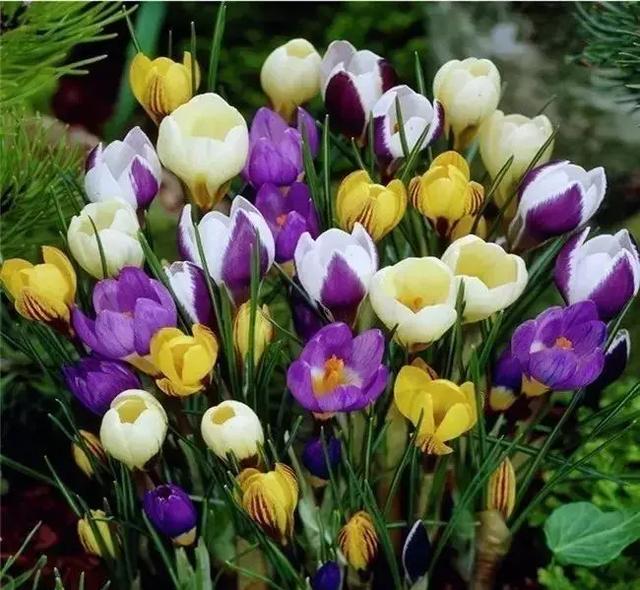
The flower stem is very short and does not extend above the ground; there are 1-2 flowers, light blue, reddish-purple or white, fragrant, 2.5-3 cm in diameter; the perianth has 6 lobes arranged in 2 whorls, with both the inner and outer whorl lobes obovate, blunt at the tip, 4-5 cm long; the stamens are upright, 2.5 cm long, with yellow anthers, pointed at the tip and slightly curved; the style is orange-red, about 4 cm long, with 3 branches in the upper part, the branches curved and drooping, the stigma slightly flattened, wedge-shaped at the tip, with shallow teeth, longer than the stamens, and the ovary narrowly spindle-shaped. The capsule is elliptical, about 3 cm long.
Saffron Crocus Planting Sharing
(Sharing a Gardener's Story)
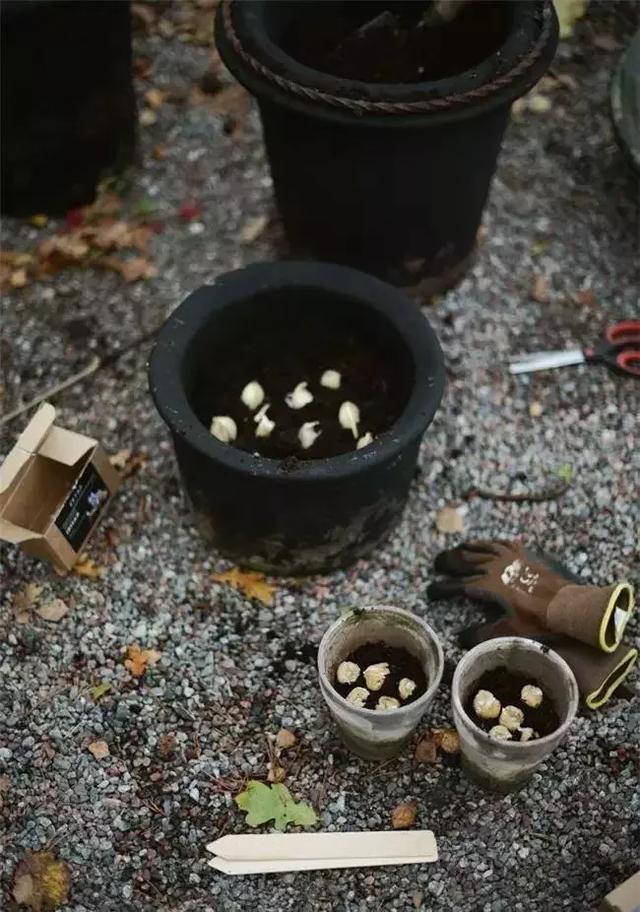
Pot selection: a 15 to 18 cm pot, with 5 to 7 bulbs recommended. Avoid planting small bulbs in a large pot, otherwise water will accumulate and the bulbs will rot.
Saffron Crocus Planting Sharing
(Sharing a Gardener's Story)
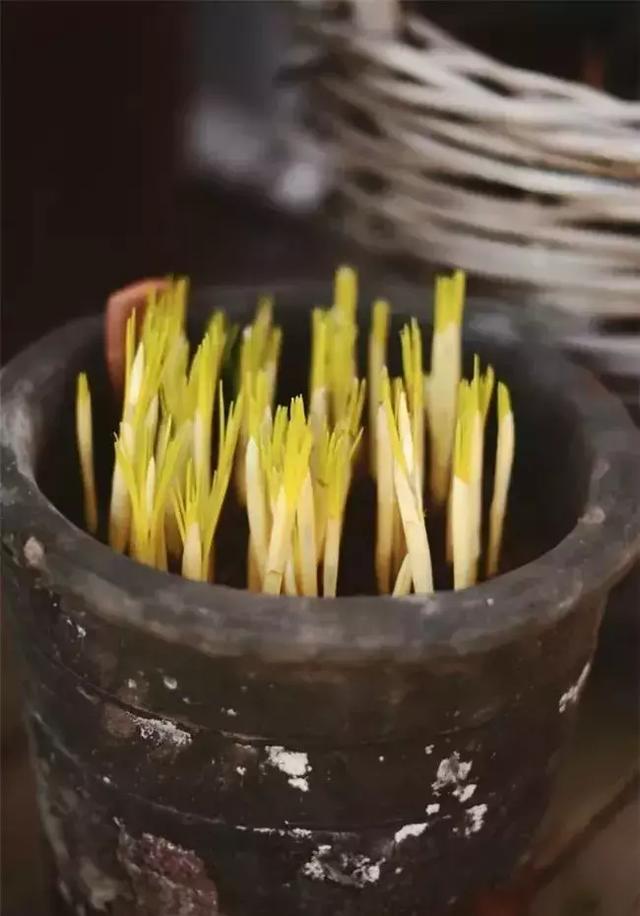
After planting, first place them outdoors for care. They root after about two weeks; then move them indoors to a spot with sufficient light and fresh, humid air, and they will bloom around New Year's Day.
Saffron Crocus Planting Sharing
(Sharing a Gardener's Story)
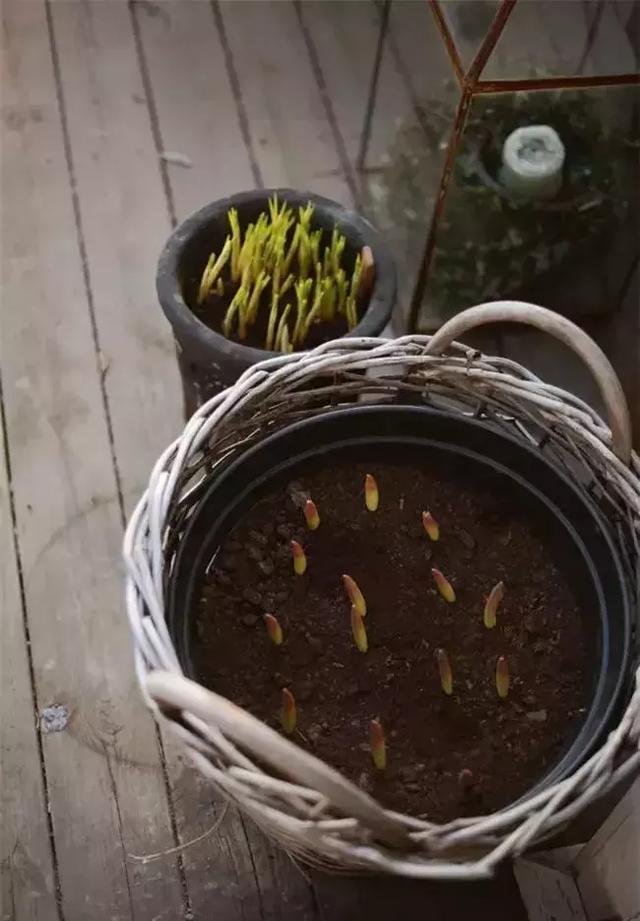
The saffron crocus growing period coincides with the dry winter and spring seasons, so special attention should be paid to irrigation. Seedlings emerge about 20 days after planting; irrigate once before emergence to promote it. Irrigate once before winter sets in to protect against freezing and raise the soil temperature. Water once in mid-April to reduce the harm of dry hot winds.

Saffron Crocus Planting Sharing
(Sharing a Gardener's Story)
Before planting, apply thoroughly decomposed organic fertiliser, such as cake fertiliser, barnyard manure, burnt soil, plant ash and chicken or duck manure, and also apply some superphosphate. After the plants have rooted and sprouted leaves, apply a dilute liquid fertiliser with balanced nitrogen and phosphorus once every 10 days, for example a thoroughly decomposed cake fertiliser solution with an appropriate amount of monopotassium phosphate added, until the flower stems have emerged and the flower buds have coloured up. Be sure to avoid excessive or overly concentrated nitrogen fertiliser, otherwise the leaves will grow leggy and the growth of flower buds will be affected. When the seedlings are fully emerged and at the end of flowering, apply 1500 kg of human and animal manure per mu or an appropriate amount of chemical fertiliser to promote early seedling growth. In spring, determine the amount of topdressing according to the growth of the seedlings. After flowering in October, apply 1 to 2 more applications of a quick-acting fertiliser with balanced nitrogen, phosphorus and potassium to benefit the growth and development of the corms, so that the corms can store enough nutrients to bloom more and better the following year. In mid-to-late December, spread a layer of horse manure between the plants on the bed surface, then cover it with a small amount of soil to increase fertility and provide warmth and freeze protection.
Saffron Crocus Planting Sharing
(Sharing a Gardener's Story)
To ensure the plants bloom abundantly and vigorously, when too many lateral buds are found on the plants, some of the small buds can be removed to ensure that the main buds can produce more and larger flowers. During the growth and development of the saffron crocus, standing water must be drained promptly; this is especially important in seasons with continuous autumn rain, otherwise water easily accumulates in the seedbed, causing the corms to rot and bringing unnecessary economic losses. If there is an autumn drought, the seedbed should also be loosened and watered, keeping the soil moist. After the seedlings are fully emerged, insert a small bamboo knife into the soil and remove the small lateral buds on the outer ring of the plant, keeping 2-4 larger leaf clusters in the centre of each plant, to help increase the yield of large corms the following year. From February to April the corms expand rapidly, so the soil should be loosened and weeds removed promptly.
Saffron Crocus Planting Sharing
(Sharing a Gardener's Story)
From late April to early May, when the above-ground stems and leaves of the saffron crocus gradually turn yellow, an iron rake can be used to carefully lift them starting from one end of the bed. After digging them up, remove the leaves, stems and residual roots, dry them in the field for two days, then store them indoors. When storing, divide them according to the standards of healthy or diseased, intact or damaged, and size, and store them separately by category. The storage room should have little light, be cool and ventilated, and the floor is best if it is earth; the room should be kept dry.