Can mugwort be grown in rural areas? A feasibility analysis for cultivation
Mugwort is distributed across Northeast China, North China, East China, South China, Southwest China, and Northwest China, and is found in most provinces and regions of our country, mostly wild, with a small amount also cultivated, and can be harvested once a year.
Mugwort has strong adaptability, but grows better in moist, fertile sandy loam, is relatively cold-tolerant, and can be planted throughout both northern and southern China. It is propagated by rhizomes, and can also be propagated by seed.
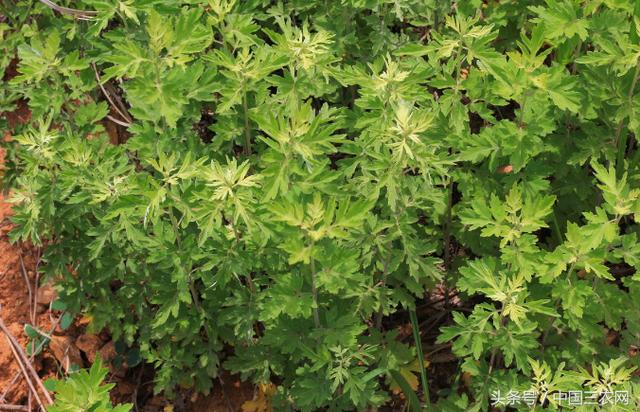
Mugwort seed propagation
1. Seed morphology: The achene is oblong, hairless; the seed is long and four-angled, with a pale yellow-green surface, a thin seed coat, and a soft texture. The 1000-seed weight is 0.12 grams.
2. Seed saving and seed cultivation: For seed saving, 2- to 3-year-old plants are best. Select and keep robust, high-yielding plants free of pests and diseases and leave them unharvested. When the fruit matures, in October to November, when the achenes are pale yellow-green, cut off the fruiting branches, spread them out to dry, thresh, sift, and winnow away impurities. Store the seeds in cloth bags in a cool, dry place. The seeds have a short lifespan and lose their germination ability after one summer.
3. Seed propagation method: Sow in early spring, in February to March in the south and March to April in the north. Direct sowing or raising seedlings for transplanting are both possible. For direct sowing, the row spacing is 40-50 cm. After sowing, do not cover the seeds with too much soil; 0.5 cm is appropriate, or just enough to cover the seeds. If the soil covering is too thick, it is difficult for the seeds to emerge. After emergence, pay attention to loosening the soil, weeding, and thinning. When the seedlings are 10-15 cm tall, thin to a final spacing of 20-30 cm between plants.
4. Rhizome propagation method: In production, rhizome propagation is the main method. The planting period is usually in early spring, preferably before the buds sprout. Dig up the perennial underground rhizomes, dig out the entire root, select the tender rhizomes, break them into 10-12 cm-long sections, and let them dry in the shade for half a day. When planting, open furrows with a row spacing of 40-50 cm, place the rhizomes flat in the furrows at a plant spacing of about 20 cm, then cover with soil and press down. If the soil is relatively dry, water promptly after planting. After emergence, be sure to loosen the soil, weed, and apply topdressing in a timely manner.
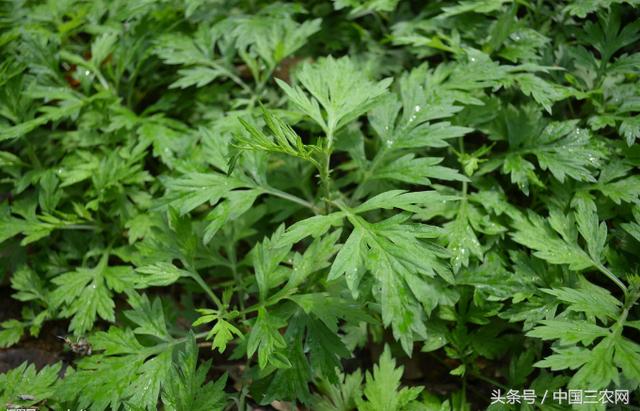
Mugwort sowing method
Mugwort seeds are extremely small. If planting in a flower pot, please sow directly without covering with soil, seal the pot opening with tape, and keep the soil moist. Proper sunlight is needed for germination.
Summer has arrived, and mosquitoes are starting to increase, biting people and causing both pain and itching. People are trying every possible way to fight mosquitoes: mosquito coils, sprays, mosquito repellent water... Although the effects are good, the pungent smell is truly hard to tolerate. Did you know? We might as well make some mosquito repellent products ourselves. Not only do they achieve the same effect, but they are also more environmentally friendly and healthy.
Mugwort is an excellent mosquito repellent. "Some Chinese herbal medicines and plants are natural mosquito repellent materials," Wang Hongcai, a professor at the China Academy of Chinese Medical Sciences, said in an interview with a reporter from Life Times. Among them, the most typical is mugwort, which has a special fragrance and can effectively repel mosquitoes. Every evening, light mugwort or moxa sticks, and the smoke released can quickly drive mosquitoes away; or soak mugwort and Acorus calamus in water and use it to mop the floor, or boil them into warm water and apply it to the body, which can serve as a mosquito repellent water; hanging a shade-dried moxa stick in the room can likewise repel mosquitoes, moths, and insects.
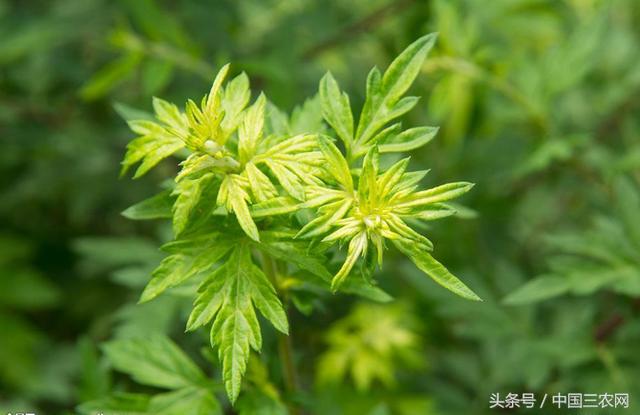
According to another report in Taiwan, China's Health magazine, a study found that Chinese medicinal materials such as white magnolia, yellow camphor, citrus peel, orange jessamine, rue, fennel, mint, white Acorus calamus, star anise, lemongrass, and Shanqiang all have mosquito repellent effects, with the repellent time reaching up to 9 hours. "It is suggested to put Atractylodes lancea, Angelica dahurica, clove, Eupatorium fortunei, mugwort leaf, borneol, Agastache rugosa, camphor, tangerine peel, and mint together to make a sachet and hang it indoors, replacing it regularly every 10-15 days, which can also effectively repel mosquitoes. These medicines can all be bought at pharmacies, and the price is not expensive." Wang Hongcai suggested that some essential oils such as camphor oil and lavender can also be bought. Experiments show that applying camphor oil to the skin can provide mosquito repellent protection for more than 6 hours. Orange peel or tangerine peel can also be dried and lit, and the principle and effect are much the same as mosquito coils. "If there are people with allergic diseases such as asthma or rhinitis, they had best stay away from sachets and smoke fumigants, and should not use them to wipe the body either."
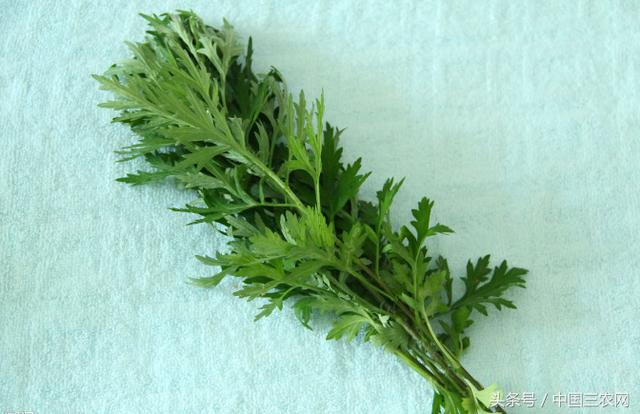
Adding some heat-relieving medicines when bathing can help repel mosquitoes. If you find it troublesome, before going to bed you can use 2 vials of Huoxiang Zhengqi Shui or Shidi Shui, mix with a basin of warm water, and wipe the skin, or boil 5 star anise in water and wipe the skin, both of which can have a mosquito repellent effect. In addition, put about 10 milliliters of sugar water into an empty liquor bottle, shake it gently a few times so that the inner wall of the bottle is coated with sugar liquid, and place it where mosquitoes are active. When mosquitoes smell the sugar, they will fall into the trap themselves.